ULI Womens’ Leadership Roundtable

AG&T Supports the Next Generation of Women Leaders in Real Estate


At AG&T, we believe that the future of the real estate industry depends on cultivating diverse leadership, encouraging entrepreneurship, and creating opportunities for the next generation of professionals. These principles have guided our work for decades and remain central to our culture.

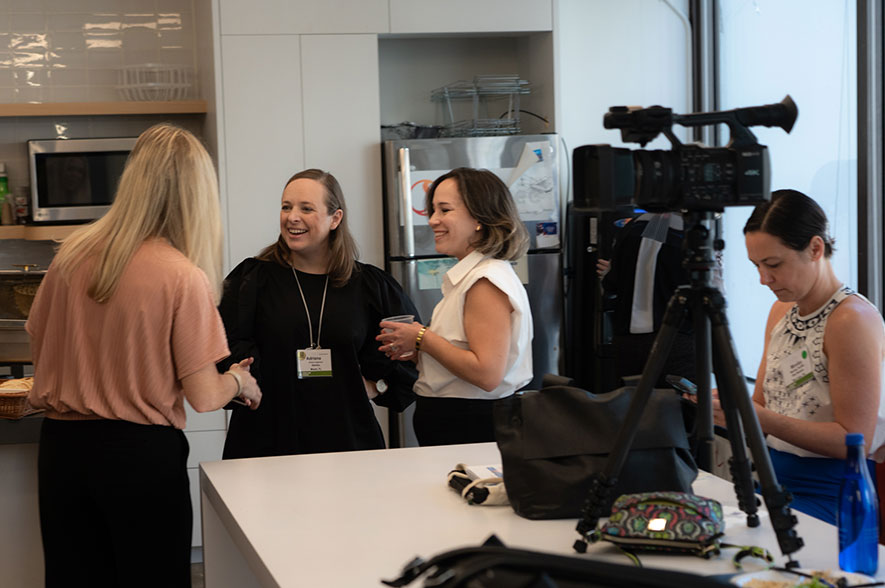
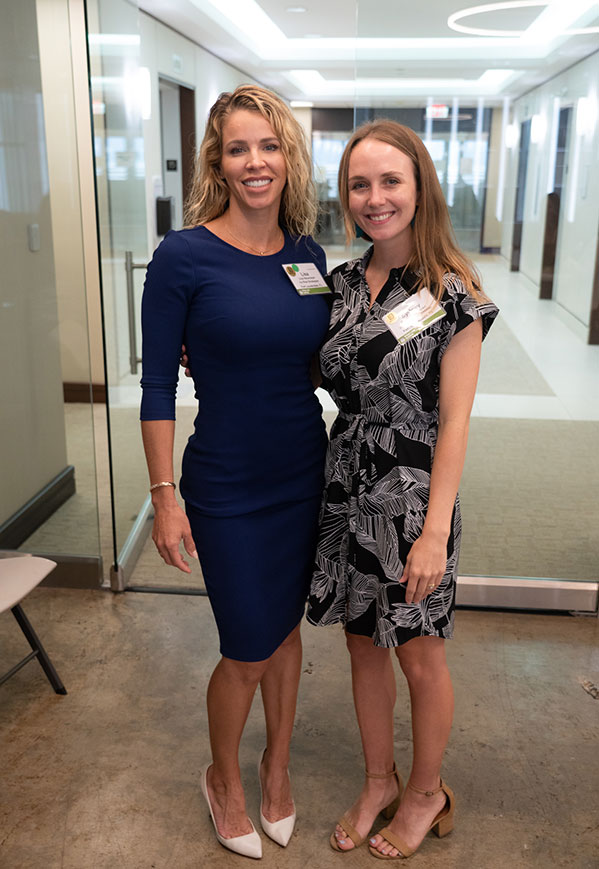
As part of that commitment, AG&T was honored to participate in the Urban Land Institute (ULI) Women’s Leadership Initiative (WLI) event, “Developing Your Entrepreneurial Leadership,” held in downtown Miami at Stantec’s offices.

The half-day program brought together accomplished developers, architects, entrepreneurs, and emerging industry leaders for an afternoon focused on leadership, mentorship, and professional growth. Organized by ULI WLI, the event featured three interactive components: a panel discussion, a live business case study, and speed networking sessions designed to foster meaningful industry connections.

Leadership Through Experience

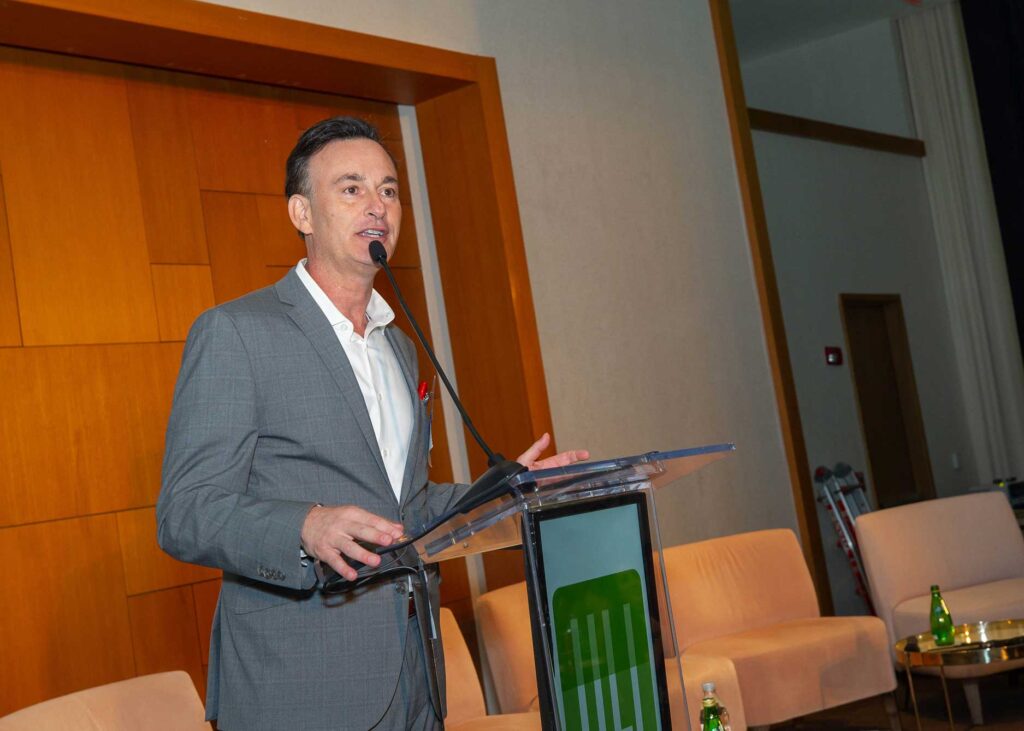
The program opened with welcoming remarks from Lisa Neumayer, Chair of ULI Women’s Leadership Initiative, who recognized the importance of creating platforms where women can learn from experienced industry professionals while building valuable relationships.

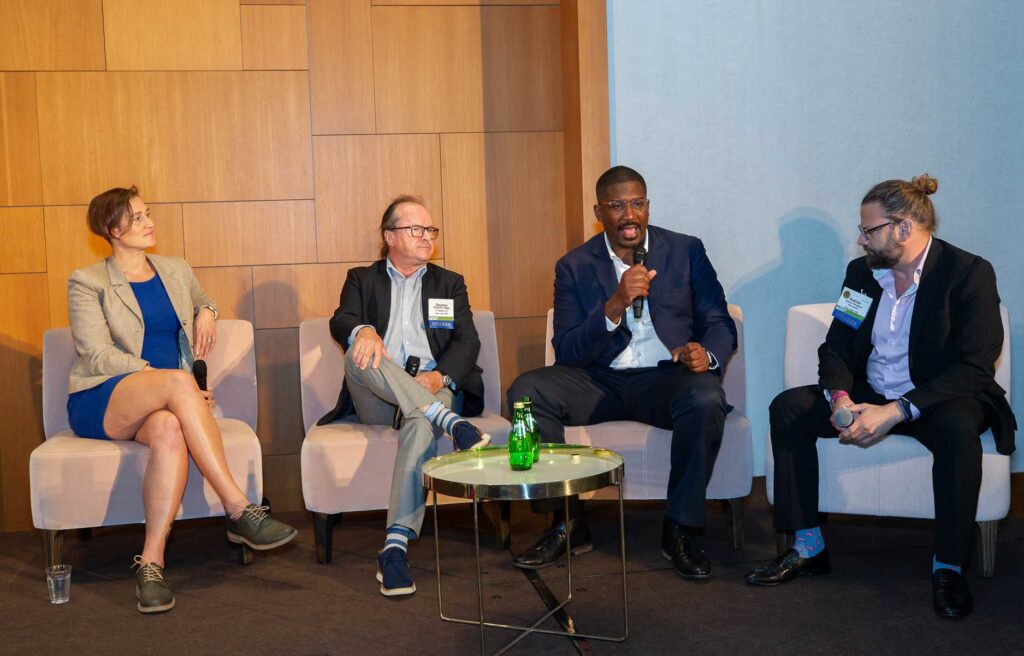
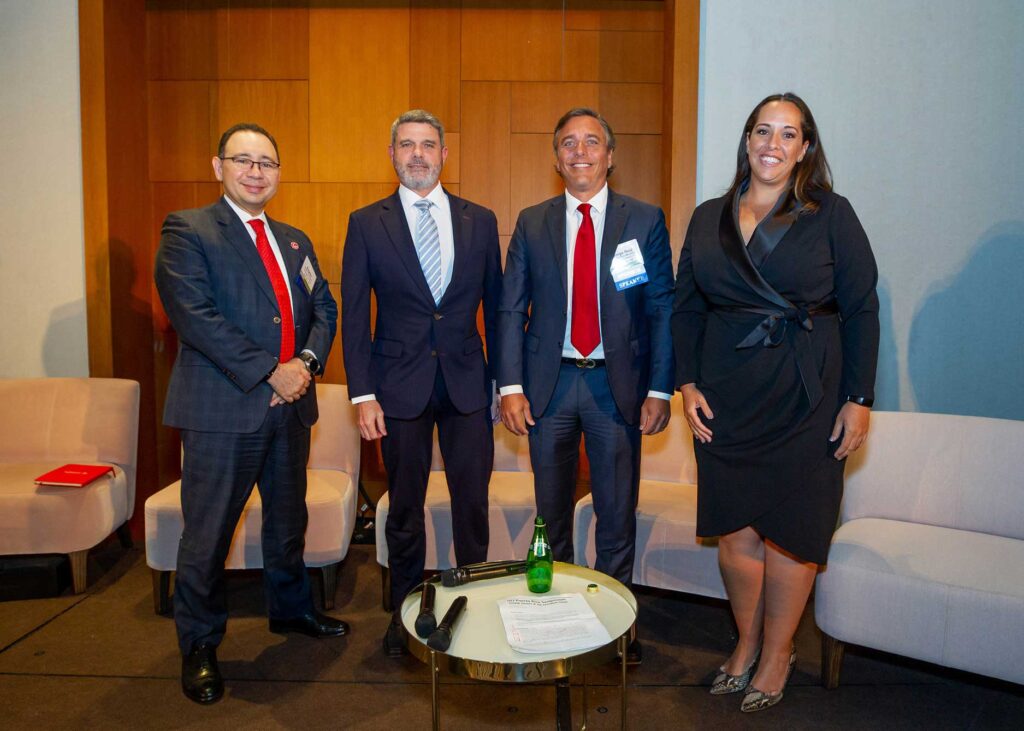
The keynote panel featured three distinguished entrepreneurs:

  • Arden Karson, Karson & Company

  • Adriana Jaegerman, Stantec

  • Jay Massirman, Rivergate Companies

The discussion was moderated by Adam Greenfader, Chairman of AG&T, who guided a candid conversation on the realities of entrepreneurship and leadership. Topics included building successful companies, balancing professional and personal commitments, learning from setbacks, developing resilience, mentorship, and creating greater opportunities for women to thrive as entrepreneurs and industry leaders.

The discussion emphasized that successful leadership extends beyond financial performance—it requires curiosity, adaptability, collaboration, and a commitment to helping others succeed.

Encouraging the Next Generation of Entrepreneurs

One of the highlights of the afternoon was an interactive case study featuring Amanda Staerker, who presented her vision of transitioning from landscape architecture into the development of boutique hospitality projects throughout the Caribbean.

Participants and industry experts collaborated in reviewing her business strategy, offering practical advice on refining her development vision, strengthening her expansion plan, and positioning her concept for long-term success. The session demonstrated the value of mentorship and the willingness of experienced professionals to invest their time and knowledge in emerging entrepreneurs.

Building Meaningful Connections

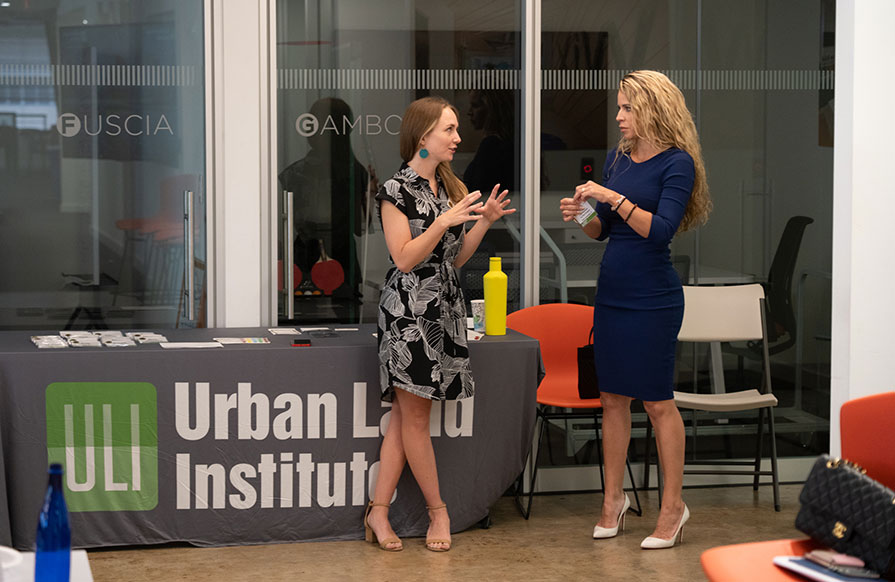
The program concluded with speed networking roundtables, allowing participants to engage directly with panelists and fellow professionals. These conversations created opportunities for mentorship, collaboration, and the exchange of ideas across multiple disciplines within the real estate industry.

AG&T extends its appreciation to Sydney Ramirez, Senior Director of ULI Southeast Florida/Caribbean, Lisa Neumayer, Stantec, and the entire ULI Women’s Leadership Initiative team for organizing an outstanding program dedicated to advancing women in commercial real estate.

AG&T’s Commitment to Women’s Leadership

Supporting women in leadership is not a one-time initiative for AG&T—it is a long-standing commitment that is reflected throughout our work, our partnerships, and the organizations we support.

Throughout our history, AG&T has actively participated in programs that promote mentorship, professional development, and greater representation of women across the real estate, hospitality, finance, and development industries. We believe that diverse perspectives produce stronger projects, more resilient organizations, and better communities.

As a firm that develops projects throughout the Caribbean, we recognize that the most successful developments are built not only with capital and expertise, but with inclusive leadership that empowers talented professionals to reach their full potential.

Founded in 1998 and headquartered in Miami, AG&T has advised on and participated in more than 55 real estate development projects across Puerto Rico, Sint Maarten, Costa Rica, Panama, Mexico, the Dominican Republic, and other Caribbean markets. Beyond development and advisory services, AG&T remains committed to advancing industry leadership through education, mentorship, and collaboration with organizations such as the Urban Land Institute.

Why Puerto Rico? A Global Destination for Hospitality, Tourism, and Investment

Why Puerto Rico? A Global Destination for Hospitality, Tourism, and Investment

Discover Puerto Rico Tourism video (2:45 s)  highlights Puerto Rico’s unique selling proposition for tourism in 2022 and beyond. Interviews with Adam Greenfader of AG&T and Federico Stubbe of PRISA Group discuss the island’s rich culture, robust infrastructure, great airlift, and other benefits such as Federal tax incentives. Watch the video to learn how you can be part of Puerto Rico’s booming hospitality and tourism industry.


 Puerto Rico has entered one of the most dynamic periods in its modern history.


Long celebrated for its vibrant culture, stunning natural beauty, and strategic location in the heart of the Caribbean, the island has evolved into something even more compelling: a world-class destination for tourism, hospitality investment, and economic development.

To highlight this transformation, Discover Puerto Rico, the island’s official Destination Marketing Organization (DMO), produced a short video featuring industry leaders discussing the factors driving Puerto Rico’s remarkable growth. Joining the conversation were Adam Greenfader, Chairman of AG&T, and Federico Stubbe, President of PRISA Group, two long-time advocates for Puerto Rico’s hospitality and real estate industries.

The discussion explores why Puerto Rico is uniquely positioned to attract both visitors and investors.

Unlike any other Caribbean destination, Puerto Rico combines the lifestyle and natural beauty of the Caribbean with the legal protections, financial systems, and business certainty of a U.S. jurisdiction. This unique combination has helped the island attract international hotel brands, institutional investors, entrepreneurs, manufacturers, technology companies, and a growing community of business leaders seeking long-term opportunities.

A Competitive Advantage Unlike Anywhere Else

Puerto Rico’s investment story extends far beyond its beaches.

The island offers one of the most comprehensive business ecosystems in the Caribbean, supported by:

  • A robust U.S. legal and financial framework.

  • A highly educated and bilingual workforce.

  • Modern highways, ports, airports, and telecommunications infrastructure.

  • More than 20 direct destinations served by excellent airlift to the continental United States, Latin America, and Europe.

  • Competitive tax incentives supporting manufacturing, export services, hospitality, and new business investment.

  • A mature banking system and access to U.S. capital markets.

Combined with its strategic geographic location, these advantages position Puerto Rico as a natural gateway between North America, Latin America, and the Caribbean.

Hospitality Leading the Way

Tourism continues to be one of Puerto Rico’s most important economic engines.

Record visitor arrivals, expanding air service, increasing hotel occupancy, new luxury resorts, branded residences, and significant private investment have reinforced the island’s position as one of the Caribbean’s fastest-growing hospitality markets.

Yet Puerto Rico’s appeal extends well beyond leisure travel.

Visitors increasingly come to experience the island’s rich culinary scene, music, history, outdoor recreation, wellness experiences, cultural festivals, and entrepreneurial energy. This diversification has helped create a more resilient tourism economy capable of supporting long-term investment.

Public and Private Sector Collaboration

One of Puerto Rico’s greatest strengths has been the collaboration between the public and private sectors.

Created in 2017, Discover Puerto Rico has played an instrumental role in repositioning the island within the global tourism marketplace through innovative marketing, strategic partnerships, and destination branding. By working closely with government agencies, airlines, hotel operators, tourism stakeholders, and the private sector, the organization has helped elevate Puerto Rico’s international visibility while supporting record tourism performance.

Developers such as PRISA Group have also contributed significantly to this transformation. For more than three decades, PRISA has developed sustainable residential communities and luxury hospitality projects throughout Puerto Rico, demonstrating how thoughtful planning and long-term investment can strengthen both communities and the visitor experience.

AG&T’s Perspective

For more than three decades, AG&T has had the privilege of participating in Puerto Rico’s evolution.

Our work has extended beyond real estate advisory services to include market research, investment strategy, hospitality consulting, educational programming, and thought leadership designed to strengthen Puerto Rico’s connections with investors, developers, lenders, and institutional capital throughout the United States and internationally.

We believe Puerto Rico’s greatest opportunity lies not simply in recovering from past challenges, but in building a more resilient, diversified, and globally competitive economy.

Hospitality plays a central role in that vision.

It creates jobs, attracts international investment, supports local businesses, enhances infrastructure, and showcases Puerto Rico’s extraordinary culture to millions of visitors each year.

The future of Puerto Rico will be built through collaboration among government, private enterprise, developers, investors, entrepreneurs, and communities working toward a common goal.

This conversation with Discover Puerto Rico and PRISA Group reflects that shared commitment—and our collective belief that Puerto Rico’s best chapter is still ahead.

We invite you to watch the video and discover why so many investors, developers, and hospitality leaders believe that Puerto Rico’s time is now.

The Future of Caribbean Housing

The Future of Caribbean Housing

Join the Urban Land Institute SE Florida / Caribbean (ULI) for a one-hour virtual panel discussion with leaders throughout the Caribbean as they discuss both challenges and opportunities impacting The Future of Housing throughout Caribbean

Moderator : Emily Morgan, Land Development Manager, NVR Inc.,

Carlos Palacious, Managing Principal, Bron,

Michael Treacy Founder, PLUM

Gary Matalon, Director, CSI

Some of the discussion questions include:

  1. What Makes your Island Unique (regarding living and investment opportunities?
  2. What issues are you seeing today in housing & construction in your island?
  3. What new technologies have you integrated or used to help with these challenges?
  4. What incentives does your island provide for development current & future opportunities in housing, hospitality, or other related projects? 


Andrew Farkas Speaks about Caribbean


Global Capital Meets the Caribbean: A Conversation with Andrew Farkas

One of the Urban Land Institute Caribbean Engagement Committee's primary objectives has always been to connect Caribbean leaders with some of the world's most influential investors, developers, and visionaries. By creating these conversations, AG&T and ULI seek to bring global perspectives to the unique opportunities and challenges facing island economies.

As part of this initiative, Andrew Farkas, Founder, Chairman, and CEO of Island Capital Group, joined the ULI Caribbean Roundtable as the keynote luncheon speaker in a conversation moderated by Adam Greenfader, Chairman of the Caribbean Engagement Committee and Chairman of AG&T.

 A Pioneer in Modern Real Estate

Andrew Farkas is widely recognized as one of the pioneers of modern institutional real estate investing.

He founded Insignia Financial Group, transforming it into one of the world’s largest publicly traded real estate services companies. Following its merger with CB Richard Ellis (now CBRE), the combined organization became the largest owner and operator of multifamily housing in the United States, managing approximately 275,000 apartment units and more than 200 million square feet of commercial real estate.

Today, through Island Capital Group, Mr. Farkas has built a diversified investment platform spanning hospitality, commercial real estate, financial services, infrastructure, and marine assets.

Its affiliated companies have included C-III Capital Partners, NAI Global, and Island Global Yachting (IGY Marinas)—the world’s leading owner, operator, and developer of luxury marinas, with a portfolio stretching across the Caribbean, North America, Europe, and the Middle East.

Why the Caribbean Matters

Few regions are better positioned to benefit from long-term global trends than the Caribbean.

The discussion explored how hospitality, marinas, mixed-use developments, infrastructure, and experiential real estate continue to attract sophisticated investors seeking destinations with strong long-term fundamentals.

Drawing on decades of investment experience, Mr. Farkas shared insights into what institutional capital looks for when evaluating opportunities, emphasizing the importance of quality sponsorship, disciplined planning, resilient infrastructure, and projects capable of creating lasting economic value.

The conversation also highlighted the growing convergence of hospitality, residential living, wellness, yachting, and lifestyle experiences that increasingly define luxury destinations throughout the Caribbean.

Investing Beyond Buildings

One of the themes that resonated throughout the discussion was that successful development extends beyond physical real estate.

Communities thrive when investment creates jobs, expands opportunity, improves infrastructure, and enhances quality of life.

Mr. Farkas has long supported initiatives that combine commercial success with broader social impact, including affordable housing, environmental stewardship, education, and community development.

His perspective closely aligned with AG&T’s long-standing belief that responsible development should generate both financial returns and lasting benefits for the communities it serves.


AG&T’s Perspective

For AG&T, bringing leaders such as Andrew Farkas to the Caribbean conversation reflects our commitment to connecting regional stakeholders with global expertise.


Over the years, AG&T has organized and moderated discussions with some of the world’s leading investors, hotel executives, financial institutions, government officials, architects, planners, and development professionals.

These conversations are more than industry events. They create opportunities to exchange ideas, strengthen relationships, and introduce global best practices that help shape the future of Caribbean real estate, hospitality, and infrastructure.

As the Caribbean continues to evolve into an increasingly sophisticated investment destination, dialogue between regional leaders and global capital will remain essential.

By fostering those conversations, AG&T continues its mission of helping build a stronger, more resilient, and more prosperous Caribbean.

The Puerto Rico Symposium in Miami With Historic Announcement


See All Photos Here

See Agenda and Sponsors


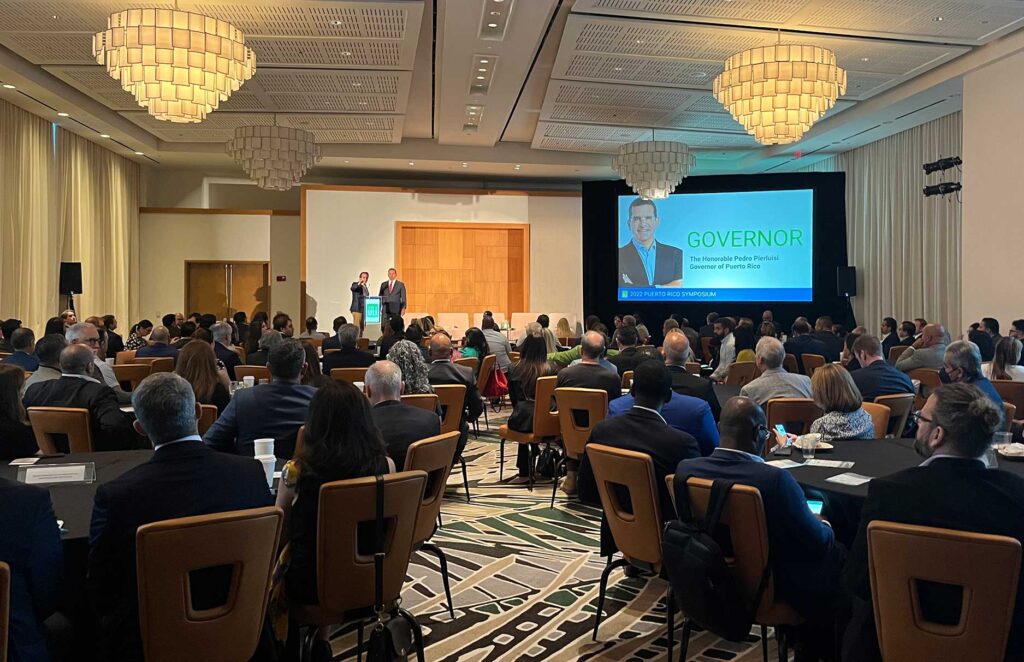
The Governor of Puerto Rico Pedro Pierluisi made the historic announcement at The Puerto Rico Symposium in Miami that Puerto Rico was officially out of bankruptcy. The message was well received by over 250 industry leaders from both the public and private sectors.  The event was organized by The Urban Land Institute South East Florida / Caribbean and The Puerto Rico Builders Association.


Governor Pedro Pierluisi
Governor Pedro Pierluisi makes historic announcement


The Symposium was kicked-off by Scott McLaren, President ULI SE Florida / Caribbean. Scott spoke about the longstanding relationship and collaboration between ULI and the Puerto Rico Builders Association. He highlighted the work on the ULI National Advisory Services Panel on social, economic, and physical resilience in Toa Baja, Puerto Rico. https://seflorida.uli.org/toa-baja-puerto-rico-panel/

Scott Maclaren finished his remarks by recognizing  Vanessa de Mari, the new President of the Puerto Rico Builders Association and the first women president in the organization’s 70 year history. The Symposium was dedicated to this historic accomplishment. In attendance were some of Puerto Rico’s top government leaders.  This included the Honorable Pedro Pierluisi, Governor of Puerto Rico, Manuel Laboy, COR3 Executive Director,  Maretzie Diaz, Deputy Director PR Housing Department CDBG-DR, Natalia I. Zequeira, Commissioner of Financial Institutions, and in attendance, the Secretary of Housing of Puerto Rico, William Rodríguez Rodríguez. The keynote address by the Honorable Pedro Pierluisi, Governor of Puerto Rico’s highlighted the island’s economic accomplishments, the end of Puerto Rico’s population exodus, and the conclusion of the bankruptcy which was officially announced the day of the Symposium.

https://www.bnnbloomberg.ca/puerto-rico-is-out-of-bankruptcy-after-a-22-billion-debt-exchange-1.1738142

In the private sector, Ricardo Alvarez-Diaz, CEO, Alvarez-Diaz & Villalon discussed some of progress of the island’s rebuilding after the 2017 hurricanes Irma and Maria. The reconstruction of the island was  a constant theme throughout the day with specific examples of over 900 started projects.

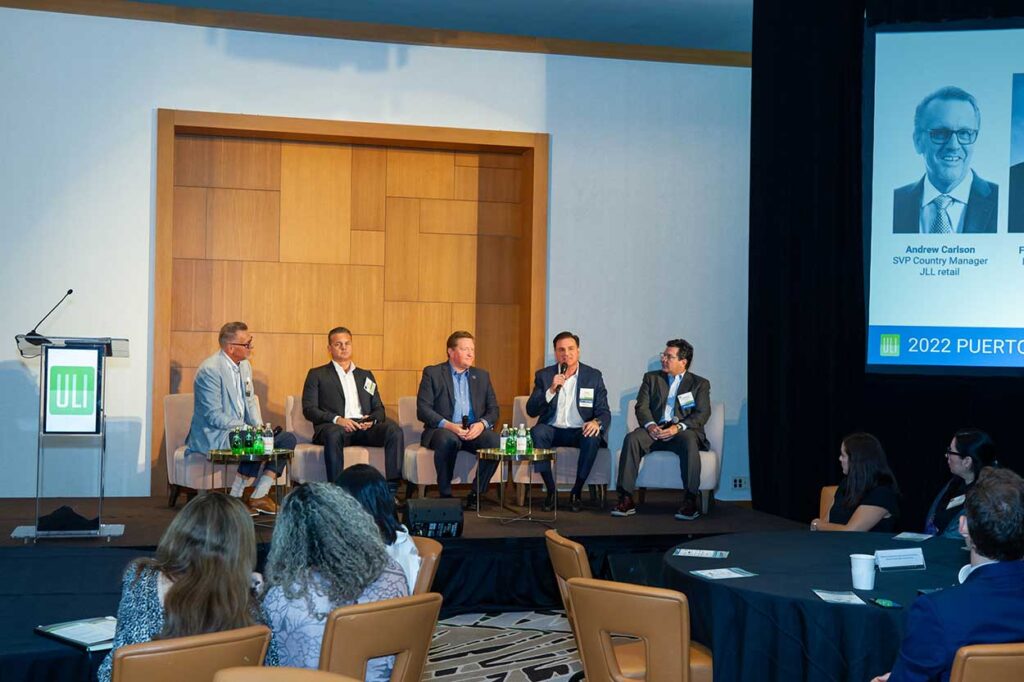
The first panel, “Why Puerto Rico: Stories of Success,  was a testament to the resiliency of the development community. Moderated by Andrew Carlson, SVP Country Manager, of JLL the discussion highlighted the historic growth of the island’s hospitality sector with the construction and/or renovation of over 3,000 new room keys from El Conquistador, Grand Reserve (formerly known as Coco Beach), Sheraton, AC , and many others. The panel included Federico Sanchez, President & CEO, Interlink Group.


Speakers Panel
Dan Kodsi, Brad Dean, Rafael Rojo, Andrew Carson


Dan Kodsi, CEO, Royal Palm Companies, Rafael E. Rojo, President & CEO, VRM Companies. Also in attendance was Brad Dean, CEO, Discover Puerto Rico who highlighted the island’s impressive tourism growth (ADR and occupancy rates) during the Covid 19 pandemic and new expansion of tourism throughout all U.S. feeder markets.

As Puerto Rico seeks to build back its tourism and other industries, the financial sector will invariably play a major role. One of the goals of the Puerto Rico Symposium was to facilitate the conversation of growth in both traditional banking as well as new Fintech, IFEs, and other debt/equity players.  Natalia I. Zequeira, Commissioner of Financial Institutions, explained the ease of regulations and process for new financial institutions as Puerto Rico shares many of the same regulations of the U.S. states on the mainland. Ms. Zequeira also mentioned that International Financial Entities (IFE) can now participate in special opportunity projects.

https://www.investpr.org/key-sectors/finance-and-insurance/

Michael McDonnell, Executive Vice President, First Bank, that recently re-opened its  construction division, was bullish on the island’s economic prospects and announced that the Puerto Rico will achieve positive economic growth (GDP) this year– something it has not done in over a decade.  Banesco USA announced the U.S. Department of the Treasury, will invest more than $8.7 billion through ECIP in institutions across the country – Banesco USA is the only bank recipient located in Florida or Puerto Rico.

https://www.prnewswire.com/news-releases/banesco-usa-approved-to-receive-237-5-million-investment-from-the-us-treasurys-emergency-capital-investment-program-301445832.html

Over the last few years, we have all hear about the 80 billion dollars of relief aid that has been allocated to Puerto Rico and is coming. In the “Myth versus Reality panel: Federal Funding Opportunities on The Island,” moderator Ella Woger Nieves of Invest Puerto Rico helped lift-up the proverbial transparency veil. Manuel Laboy, the COR3 Executive Director spoke with detailed facts of the funding by agency with FEMA authorizing 5 billion for temporary work, 21 Billion for 9,000 permanent projects and 800 that are currently under construction today. He also discussed the next wave of over 900 projects that are currently under engineering and design.  Much of this work will be channeled through CDBG-DR and the PR Housing Department. Maretzie Diaz, the Deputy Director PR Housing Department, explained the process for companies wanting to participate in the island’s rebuilding of housing and infrastructure. Mahdu Beriwal, Owner/founder of EIM provided first-hand knowledge of the rebuilding work in Puerto Rico.


Adam Greenfader, Ricardo Alvarez-Diaz, Pamela Pautenade, Vanessa de Mari, Alfredo Martinez, Emilion Colon


Keynote Speaker Pamela Pautenade, Ex. Deputy Secretary of HUD, was also on hand to share her experiences about the collaboration with the Puerto Rico Builders Association during the 2017 hurricanes crisis. In a moving conversation with Ricardo Alvarez-Diaz, Mrs. Pautenade explained the dedication of the island’s public and private sectors and dispelled any rumors about misuse of relief funds.


Keynote Lunch Address
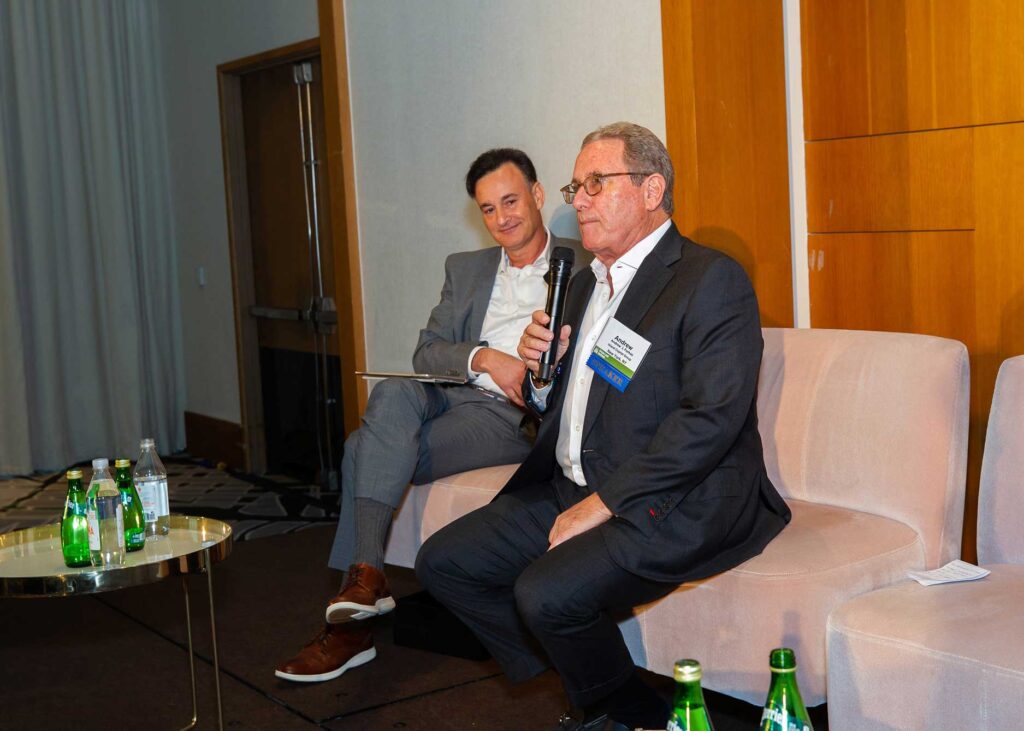
Andrew Farkas, Adam Greenfader


Puerto Rico, like much of the Caribbean is in the process of bouncing back from the Covid 19 pandemic.  Adam Greenfader, who chairs the ULI Caribbean Council had a high level sit down conversation with keynote Speaker Andrew Farkas, CEO Island Capital Group. The conversation was focused on social equity and specifically what  role the financial sector has in supporting the region with a particular focus on sustainability, ESG, and helping economic migrants return back to their island homes.

In the last few years Puerto Rico has become known as blockchain capital of the world. While thousands of tech savvy individuals have moved to the island to take advantage of federal tax incentives they have inadvertently created a new economic driver for the Puerto Rico.

https://www.bloomberg.com/news/features/2021-12-11/crypto-rich-are-moving-to-puerto-rico-world-s-new-luxury-tax-haven


In our “Fintech & Financial Innovation panel in Puerto Rico, Moderator Nathan Whigham, Founder & President, EN Capital discussed the growth of this huge industry. Rodrick Miller, CEO, Invest Puerto Rico, explained what his group is doing to change the paradigm in Puerto Rico from selling tax incentives to focusing on the island’s quality of labor, education system, and proficiency in bio science and other innovations. Stephen Inglis, CEO, Importal explained his new portal to monetize tax credits and  Yael Tamar, CEO & Co-founder, SolidBlock explained how her company is integrating real estate and blockchain.

https://www.prnewswire.com/news-releases/invest-puerto-rico-elevates-the-islands-role-as-a-global-bioscience-rd-and-manufacturing-hub-attracting-two-major-life-critical-investments-228m-in-new-activity-301221471.html

After a marathon day of conversation it was amazing to see the room still full for our last panel “Growth Industries and Tax Incentives” moderated by Carla Campos and an all-star team including  Jorge Ruiz Montilla, McConnel Valdez,  Francisco Luis, of Kevane Grant Thornton and Rogelio “Roy” Carrasquillo, of the Carrasquillo Law Group. In this panel, specific programs like the Tourism Tax Incentive were explained in detail and there was robust conversation regarding how these incentives have created new jobs in manufacturing, life sciences, construction, and agro-science.


On behalf of all of us at the Puerto Rico Builders Association and The Urban Land Institute SE Florida/ Caribbean, thank you to all of the people and sponsors that made The Puerto Rico Symposium possible. We are all hopeful that together both the public and private sector can create long lasting sustainable economic growth.


For more information about investing in Puerto Rico visit our web site or contact us.

AG&T is a real estate development and consulting company founded in 1998 with headquarters in Miami, Florida. Our  track record spans over 55 real estate development projects in Puerto Rico, Sint Maarten, Costa Rica, Panama, Mexico, Dominican Republic, and various other Caribbean islands.


Critical Manufacturing and Puerto Rico USA

Luis Fortuno and Congresswoman Jennifer Gonzalez

¨.

The panelists :


The ULI Webinar has an incredible array of information crammed into 90 minutes and it gives a great snapshot for the many initiatives being introduced and planned to help the Puerto Rican economy and create more quality jobs. If I had to some it up in three words, Mo is back. Mo of course being momentum.

 Each of the speakers brought a different perspective. Congresswoman Gonzalez Colon noted her primary mission is the reconstruction of the Island and to shephard the many supporting bills recently introduced in the US Congress. Former Governor Luis Fortuno brought an informed Wash DC think tank perspective, Adam Greenfader is one of Puerto Rico´s most passionate advocates, Andy Carlson of JLL (Jones Lang LaSalle) brings experienced commercial  insights from the world´s second largest public brokerage firm, Dr Deusch stated his case for the reasons he brought his Swiss/German manufacturing business to Puerto Rico because of a need for precision and reliability, while Noel Zamot has a finger on the ethical pulse of developing new business in Puerto Rico.

The conversations were upbeat and positive. For instance, Congresswoman Colon made a presentation on MMEDS which was introduced last month to Congress under the bill H.R. 7527. This bill provides tax incentives and tax credits for companies creating manufacturing plants and jobs in economically distressed areas in the US and its territories. The criteria for distressed is even stricter than the recent Opportunity Zone legislation passed in late 2017. When the Congresswoman showed the MMEDS qualifying maps there were smaller areas in very non desirable locations in the US whereas Puerto Rico literally had a much larger proportional area in some desirable locations. And she stated very clearly that MMEDS is one of the very few legislative items that is drawing bi-partisan support from both sides of the aisle.

The entire panel then weighed in on the competitive advantages that Puerto Rico has when competing with the mainland U.S. including much lower labor costs by as much as 60% lower in some cases, an experienced manufacturing labor force going back 100 years, the University of Puerto Rico at Mayaguez which is a top 10% engineering school for the entire U.S. and which is very much geared to provide the engineering and chemistry talent to support Puerto Rico´s manufacturing base. That even today five of the top ten selling drugs internationally are produced in Puerto Rico and 12 of the top 20 pharmaceutical companies have plants in Puerto Rico. Luis Fortuno noted that Puerto Rico had more than $40 billion USD in pharmaceutical exports in 2019 but has the capacity to increase this substantially. The panel noted that some closed down plants are almost in turnkey conditions should manufacturers wish to return or expand capacity. It would not take much. Maybe a recession of the Jones Act, or at least an exemption for an extended period of time, might be the necessary catalyst. There are some interesting new developments on this front as was evidenced last week by Hawaii noting that 85% of their informed populace is all for rescinding the Jones Act as it costs that Island 1.2 billion USD in additional transportation and cost of goods fees.

Progress is being made on seeking some type of exemption under the taxing provisions of GILTI as it adds a 10%+ tax on profits for CFCs (controlled foreign corporations) which unfortunately applies to the US territories since the do not fall under the IRC (Internal Revenue Code). On May 1, 2020, Congresswoman Stacey E. Plasket, representing the US Virgin Islands, filed Bill HR 6648 – the Territorial Economic Recovery Act, that if becomes law, it will exclude our territories from much or all of the GILTI taxation, under certain provisions.

On April 3, 2020, Congresswoman Jennifer González, resident Commissioner for Puerto Rico, introduced Bill HR 6643, the Securing National Supply Chain Act of 2020, to provide various tax credits to Economically Distressed Zones, including a tax credit on the amount of wages paid by an employer to employees in such a zone. The proposal has some overlap with HR 7527 noted above.

President Trump’s Special Representative for Puerto Rico’s Disaster Recovery,  Rear Admiral Peter Brown, lead two delegations to Puerto Rico in August 2020, the last visit being last week. I am told the trip was very successful as a big priority was to visit and understand the many advantages of pharmaceutical manufacturing in Puerto Rico.  AG&T is committed to bringing our network top information and access to our industry’s leaders. 


Investing Through Uncertainty: Institutional Capital’s View of Caribbean Hospitality During COVID-19

Investing Through Uncertainty: Institutional Capital's View of Caribbean Hospitality During COVID-19


At the height of the COVID-19 pandemic, uncertainty gripped the global hospitality industry.

Hotels throughout the Caribbean stood nearly empty. International travel had come to an unprecedented halt. Lenders were reassessing risk, investment activity had slowed dramatically, and developers around the world were asking the same question:

What does the future of hospitality look like?

To help answer that question, AG&T and the Urban Land Institute (ULI) Caribbean Roundtable hosted a timely conversation with Nicholas Hecker, Executive Managing Director and Chief Investment Officer of Sculptor Real Estate, moderated by Adam Greenfader, Chairman of AG&T and former Chair of the ULI Caribbean Council.

The discussion provided a rare institutional perspective during one of the most uncertain periods the hospitality industry had ever experienced.

Looking Beyond the Crisis

While much of the industry focused on immediate operational challenges, the conversation explored a much broader question:

How do long-term institutional investors evaluate hospitality during periods of extreme uncertainty?

Nicholas Hecker shared insights into how sophisticated investment managers distinguish between short-term market disruption and long-term value creation. Rather than reacting solely to the immediate crisis, institutional investors continued to evaluate demographic trends, destination quality, replacement costs, barriers to entry, and the long-term fundamentals supporting hospitality investment.

The message was clear.

The pandemic represented an extraordinary disruption—but not the end of the hospitality industry.

Confidence in Caribbean Hospitality

The Caribbean entered the pandemic with some of the strongest tourism fundamentals in the world.

Exceptional natural assets, limited beachfront supply, growing global demand for experiential travel, and proximity to North American markets continued to make the region attractive from a long-term investment perspective.

The discussion emphasized that while transaction activity had slowed, high-quality destinations would likely recover first as travelers increasingly sought open-air environments, wellness experiences, and lower-density resort communities.

Many of those observations proved remarkably accurate.

In the years that followed, the Caribbean experienced record tourism recovery, rising average daily room rates, increased luxury development, and renewed institutional investment.

Institutional Capital Today

Since that conversation, Sculptor Real Estate has continued to expand one of the world’s leading alternative real estate investment platforms.

Today, the firm has raised approximately $14.5 billion in capital across opportunistic equity, credit, and long-term investment strategies, with investments representing more than $30 billion in enterprise value across hospitality, resorts, gaming, marinas, specialty real estate, infrastructure, and other alternative asset classes.

The firm’s continued focus on experiential real estate reflects growing institutional confidence in sectors closely aligned with the Caribbean’s long-term strengths.

AG&T’s Commitment to Industry Leadership

One of AG&T’s objectives throughout the pandemic was to ensure that Caribbean developers, investors, lenders, and hospitality professionals remained connected to the world’s leading thinkers.

Rather than allowing uncertainty to halt the conversation, AG&T organized a series of virtual discussions featuring executives from global investment firms, hotel brands, multilateral development banks, tourism organizations, lenders, and government agencies.

These conversations helped industry participants better understand how global capital was responding to unprecedented market conditions while providing valuable insights into the recovery that would eventually follow.

Looking Back

Viewed today, this discussion serves as an important historical snapshot. It captured institutional thinking at one of the most uncertain moments in modern hospitality history.

More importantly, it demonstrated that experienced investors were already looking beyond the immediate crisis and focusing on the long-term fundamentals that continue to drive Caribbean tourism today.

For AG&T, the conversation reinforced a principle that has guided our work for more than three decades:  Markets experience cycles. Hospitality evolves. Capital adapts.

But exceptional destinations supported by thoughtful planning, resilient infrastructure, and long-term vision continue to attract investment.

The Caribbean’s recovery over the past several years has validated that perspective—and positioned the region for a new generation of hospitality investment.

Caribbean Banking Leadership During the COVID-19 Pandemic

Isabel de Caires

Caribbean Banking Leadership During the COVID-19 Pandemic


During the unprecedented disruption of the COVID-19 pandemic, Caribbean financial institutions faced one of the most significant challenges in their history. With tourism at a standstill, hospitality assets under pressure, and uncertainty across virtually every sector of the regional economy, banks were required to move beyond traditional lending practices and work collaboratively with borrowers to preserve long-term value.

In this exclusive interview, Isabel de Caires of FirstCaribbean International Bank shares how regional lenders responded during the crisis, implementing payment deferrals, restructuring loans, reducing costs, and working alongside clients to help businesses navigate an extraordinary period of uncertainty.

One of the most important lessons from the pandemic was the willingness of Caribbean banks to cooperate—not only with borrowers, but with one another and with governments—to maintain financial stability across the region. That collaborative approach helped many projects survive a period that few could have anticipated.

For AG&T, these conversations reinforced the importance of maintaining strong relationships throughout the Caribbean banking community. Over more than three decades, we have worked closely with regional and international financial institutions, giving our clients valuable insight into evolving lending practices, capital markets, and financing strategies across multiple jurisdictions.

Whether structuring development financing, introducing lending partners, or advising on capital formation, AG&T’s longstanding relationships with Caribbean financial institutions provide clients with access to market intelligence that extends well beyond individual transactions.

Watch the interview with Isabel de Caires to learn how Caribbean banks responded during one of the region’s most challenging periods and how those lessons continue to influence lending and development today.


Are Hotels Coming Back to The Caribbean?

Are Hotels Comming Back Caribbean

The Future of Caribbean Hospitality: Are Hotels Coming Back?

The COVID-19 pandemic brought the global hospitality industry to an unprecedented standstill. International travel halted almost overnight, hotel occupancies reached historic lows, and owners, operators, lenders, and investors were forced to rethink nearly every aspect of the business. For the Caribbean—a region where tourism is one of the primary drivers of economic growth—the stakes could not have been higher.

Recognizing the need for informed dialogue during this period of uncertainty, AG&T partnered with the Urban Land Institute (ULI) Caribbean Council to convene some of the hospitality industry’s most respected leaders for an important discussion: “Are Hotels Coming Back to the Caribbean?”

The objective was not simply to forecast a recovery, but to examine how the hospitality industry was adapting, where capital was flowing, and what opportunities would emerge as travel eventually returned.

The panel brought together an exceptional group of industry leaders representing every major segment of the hospitality ecosystem:

  • Adam Greenfader, Managing Partner, AG&T

  • Alejandro Zozaya, Executive Chairman, Apple Leisure Group

  • Christian Charre, Senior Vice President, CBRE Hotels

  • Chris Cylke, Chief Operating Officer, REVPAR International

  • Nicholas Hecker, Executive Managing Director & Chief Investment Officer, Sculptor Real Estate

Together, the panel offered perspectives from development, hotel operations, institutional investment, brokerage, valuation, and lending—providing one of the most comprehensive discussions on the future of Caribbean hospitality during one of the industry’s most challenging periods.


Three Questions That Defined the Recovery


1. What hotel transactions were taking place during the pandemic?

While many investors initially adopted a wait-and-see approach, the panel observed that sophisticated capital was already positioning itself for the recovery. Institutional investors, private equity firms, and opportunity funds were actively evaluating distressed assets, recapitalizations, and long-term acquisition opportunities throughout the Caribbean.

Rather than signaling a collapse in the hospitality sector, transaction activity reflected a repricing of risk and the belief that Caribbean tourism fundamentals would ultimately remain strong.

2. Would the industry experience widespread defaults, acquisitions, and repurposing?

The discussion acknowledged that financial stress was inevitable across portions of the market. However, the panel emphasized that not every hotel would face the same outcome.

Well-capitalized owners, strong brands, and institutional-quality assets were expected to recover more quickly, while other properties would require recapitalization, repositioning, or new ownership. Some hotels would be converted to alternative uses, while others would emerge stronger through strategic renovations and operational improvements.

History has since shown that many of these observations proved remarkably accurate. Although select assets changed hands, the Caribbean avoided the wave of distressed sales that many had feared, as tourism rebounded faster than most analysts had predicted.

3. How was the hospitality industry preparing for Travel 2.0?

Perhaps the most forward-looking conversation centered on how hotels would evolve beyond the pandemic.

Panelists discussed enhanced health and safety standards, contactless technologies, digital guest experiences, flexible operating models, wellness programming, outdoor amenities, sustainability initiatives, and changing traveler expectations.

The consensus was clear: recovery would not simply mean reopening hotels. It would require reimagining the guest experience.

Many of those innovations—from mobile check-in and wellness-focused programming to experiential travel and flexible resort design—have since become permanent features of the hospitality landscape.


A Defining Moment for Caribbean Hospitality

Looking back, this conversation represented more than a discussion about surviving a crisis. It marked the beginning of a broader conversation about the future of Caribbean tourism.

The region has since experienced one of the strongest tourism recoveries in the world. Visitor arrivals have surpassed pre-pandemic levels in many destinations, international hotel brands continue expanding throughout the Caribbean, branded residences have become one of the fastest-growing hospitality segments, and institutional capital has returned with renewed confidence.

The long-term fundamentals discussed during the panel—limited beachfront supply, strong leisure demand, expanding luxury travel, and the Caribbean’s enduring global appeal—have continued to support investment throughout the region.

AG&T’s Commitment to Industry Leadership

At AG&T, we believe our role extends beyond advising development projects.

For more than three decades, we have worked to convene conversations that bring together investors, developers, hotel operators, lenders, government officials, and industry organizations to address the opportunities and challenges shaping Caribbean real estate and hospitality.

Through our partnerships with the Urban Land Institute, Bisnow, the Puerto Rico Builders Association, universities, and other industry organizations, AG&T has helped create forums where ideas become strategies and relationships become investments.

The discussion, Are Hotels Coming Back to the Caribbean?, reflected that commitment.

It demonstrated that meaningful leadership is not only about responding to change—it is about helping define what comes next.

As Caribbean hospitality continues to evolve, AG&T remains committed to fostering the dialogue, partnerships, and investment strategies that will shape the region’s next generation of world-class destinations.

Hospitality Innovation in Times of Crisis: Lessons from IDB Invest and the Future of Caribbean Tourism

Rogerio Bass

Hospitality Innovation in Times of Crisis: Lessons from IDB Invest and the Future of Caribbean Tourism

Hospitality Innovation in Times of Crisis: Lessons from IDB Invest and the Future of Caribbean Tourism

As the COVID-19 pandemic swept across the globe, few industries were impacted more dramatically than hospitality and tourism. Borders closed, airlines grounded fleets, conferences were canceled, and hotels that once operated at record occupancies suddenly found themselves with little to no demand.

For Latin America and the Caribbean—regions where tourism serves as a critical engine of economic growth, employment, and foreign investment—the implications were profound.

To better understand the challenges facing the industry and the opportunities that could emerge from the crisis, the Urban Land Institute Caribbean Council hosted a conversation between Rogerio Basso, Head of Tourism at IDB Invest, and Adam Greenfader, Chair of the ULI Caribbean Council and Managing Partner of AG&T.

While much of the discussion focused on the immediate impact of the pandemic, the conversation ultimately became a broader examination of innovation, leadership, capital markets, and the future evolution of hotel management throughout Latin America and the Caribbean.

The Tourism Industry Before COVID-19

Before the pandemic, hospitality was experiencing one of the strongest periods in its history.

Global travel demand continued to expand, international tourism arrivals were reaching record levels, and investors remained highly attracted to hospitality assets throughout the Caribbean and Latin America. Major hotel brands were expanding aggressively, new resort developments were under construction, and institutional capital was increasingly targeting hospitality as a long-term growth sector.

Destinations throughout the Caribbean benefited from growing airlift, rising visitor expenditures, and increasing demand for experiential travel, wellness tourism, luxury resorts, and branded residential products.

According to Rogerio Basso, the industry’s fundamentals entering 2020 were exceptionally strong.

What followed was not a traditional economic downturn or cyclical correction. It was a sudden and complete interruption of global mobility.

Why This Crisis Was Different

The hospitality industry has weathered numerous crises over the past several decades, including recessions, geopolitical conflicts, natural disasters, and health emergencies.

COVID-19 was fundamentally different.

Unlike previous downturns that impacted specific regions or market segments, the pandemic affected virtually every tourism destination simultaneously. Hotels were not competing for reduced demand; in many cases, demand simply disappeared.

For owners and operators, the challenge was unprecedented. Revenue declined almost immediately while many fixed costs remained. Management teams were forced to make difficult decisions regarding staffing, operations, capital expenditures, and long-term strategy.

Yet amid the disruption, Rogerio emphasized that hospitality leaders could not simply focus on survival. They also needed to prepare for recovery.

Innovation as a Competitive Advantage

One of the most important themes that emerged during the discussion was the role of innovation in hotel management.

The pandemic accelerated trends that had already begun transforming hospitality, forcing operators to adopt new technologies and rethink traditional business models at a much faster pace.

Hotels across the region began implementing:

  • Contactless check-in and check-out systems

  • Mobile guest communication platforms

  • Digital concierge services

  • Enhanced health and sanitation protocols

  • Flexible staffing models

  • Advanced revenue management systems

  • Data-driven guest personalization

  • Hybrid meeting and conference capabilities

  • Expanded outdoor experiences and wellness programming

Many of these initiatives were initially introduced as crisis-response measures. However, they quickly evolved into permanent operational improvements that enhanced both efficiency and guest satisfaction.

The discussion highlighted an important reality: innovation is often accelerated during periods of disruption.

The hospitality companies that adapted fastest were frequently the ones best positioned to capture demand when travel resumed.

The Evolution of Hotel Management

Perhaps one of the most significant lessons from the pandemic was the changing role of hotel management itself.

Historically, hotel operators focused primarily on maximizing occupancy, controlling expenses, and maintaining service standards. Today’s hospitality leaders must balance a much broader range of responsibilities.

Modern hotel management increasingly requires expertise in:

  • Technology integration

  • Sustainability initiatives

  • Wellness programming

  • Community engagement

The panel discussed how successful operators would need to become more agile, more data-driven, and more responsive to changing guest expectations than ever before.

Hotels are no longer simply places to stay. They are becoming platforms that integrate hospitality, wellness, residential living, experiences, technology, and community.

This transformation is particularly relevant in the Caribbean, where travelers increasingly seek authentic experiences, environmental stewardship, cultural immersion, and personalized service.

The Role of Multilateral Development Banks

A unique aspect of the discussion focused on the role of multilateral development banks (MDBs) in supporting tourism and hospitality during times of crisis.

As Head of Tourism at IDB Invest, Rogerio Basso oversees initiatives that provide financing solutions throughout Latin America and the Caribbean. These include debt, mezzanine financing, equity investments, and other instruments designed to support sustainable development.

Multilateral institutions play a critical role because they often provide patient capital during periods when traditional financing becomes scarce.

Beyond capital, organizations such as IDB Invest contribute technical expertise, environmental standards, governance frameworks, sustainability initiatives, and strategic guidance that strengthen projects over the long term.

The discussion emphasized that recovery would require collaboration among governments, hotel operators, developers, lenders, investors, and development finance institutions.

No single stakeholder could solve the challenges alone.

Three Strategic Actions for Hospitality Leaders

Rogerio outlined several priorities that hospitality companies should consider when navigating periods of uncertainty:

1. Preserve Liquidity

Cash management becomes paramount during periods of disruption. Organizations must maintain financial flexibility to withstand market volatility while preserving their ability to invest when opportunities emerge.

2. Continue Investing in Innovation

The temptation during a crisis is to cut spending across all areas. However, technology, operational improvements, and guest experience enhancements often generate long-term competitive advantages that outlast the crisis itself.

3. Focus on Long-Term Demand Drivers

While short-term conditions may fluctuate, the fundamental drivers of tourism—human connection, exploration, business travel, leisure experiences, and cultural exchange—remain intact.

The strongest organizations maintain a long-term perspective even during periods of uncertainty.

Looking Back: From Crisis to Transformation

Several years later, many of the observations discussed during this ULI Caribbean Conversation proved remarkably accurate.

Tourism throughout the Caribbean and Latin America rebounded faster than many analysts expected. Luxury travel accelerated. Wellness tourism expanded. Branded residences became one of the industry’s fastest-growing segments. Technology adoption increased dramatically. Investors returned to the sector with renewed confidence.

Most importantly, hospitality emerged stronger, more resilient, and more innovative than before.

AG&T’s Commitment to Hospitality Thought Leadership

At AG&T, we believe that some of the most important conversations occur during periods of uncertainty. Throughout the pandemic and beyond, we partnered with the Urban Land Institute Caribbean Council to bring together industry leaders, investors, developers, hotel operators, economists, and policymakers to discuss the future of Caribbean real estate and hospitality.

Our conversation with Rogerio Basso was more than a discussion about crisis management. It was a dialogue about leadership, innovation, and the future of tourism in Latin America and the Caribbean. The lessons remain relevant today.

Hospitality is no longer defined solely by buildings, brands, or locations. It is increasingly defined by adaptability, technology, sustainability, and the ability to create meaningful experiences for guests. As the Caribbean continues its hospitality renaissance, innovation in hotel management will remain one of the most powerful drivers of long-term success. At AG&T, we remain committed to advancing the conversations that help shape that future.