Could this be the year for Puerto Rico?

Adam Greenfader


Could this be the year for Puerto Rico?


It had been almost 12 months since my last visit to Puerto Rico. Thanks to the COVID lockdown expectations were low. The last time I visited, more than 2 years after hurricanes Irma and Maria, the devastation was still overwhelming.  Streets were lined with garbage, electrical lines in disrepair, and thousands of homes had roofs covered in blue tarps. This combined with more than ten years of economic recession made has made Puerto Rico extremely pessimistic. As I landed in Luis Munoz Marin Airport, I was thinking,  “Would the ensuing earthquakes and COVID pandemic ravage the economy even more…”


I travelled the entire island from coast to coast –  100 x 35 miles, in a two week period. I drove from San Juan to Aguadilla, Mayaguez, Ponce, Humacao, Fajardo, and Ocean Park.  The roads were in good condition, the street lights working, and many buildings newly painted.  Notwithstanding the COVID crisis, the economy was bustling.  Most palpable was the positive attitude and feeling of the people. I spoke with many colleagues and friends and was told that much of the hurricane insurance had circulated through the economy.  The 8-12 billion in Federal relief from CDBG-DR is expected by early 2021.  Homemade signs seeking construction workers can be seen throughout the island that read, “Se Solicita Carpinteros y Albanilles”.

While the tourists were clearly absent ‘en mass’, a handful of new boutique hotels, especially in San Juan, have been recently delivered between 2019-2020. Much of this new hotel activity is due in part to the Tourism Tax Incentive. The tax incentive provides up to 40% of the total project’s cost back to sponsors…incredibly, some of it can be used for funding as part of the initial capital stack.  While this is not common anywhere in the world, Puerto Rico’s is not a typical Caribbean destination. The total economic activity (GDP) in Puerto Rico is less than 7% for all tourism related activities.  This includes, hotels, trades, conventions, excursions, etc..   This is an astonishing low number for an island that is surrounded by warm water, beautiful beaches, and lush landscapes. Read more about why Puerto Rico is like this at: https://agandt.com/contact-why-puerto-rico-now/

These tax incentives combined with a team of dedicated individuals in the Destination Marketing Organization (DMO) –  Discover Puerto Rico and other Public Private Partnerships (Invest Puerto Rico) is helping to make Puerto Rico a thriving tourism destination. The island currently boats some of the top hotels in the Caribbean with ADR’s over $1,500 per night.  Much of this demand is generated by the Act 20/22 (now Act 60).  For the last five years, hundreds of high net worth US individuals have moved to Puerto Rico to take advantage of zero Federal capital gains.  Act 60 has resulted in over 500 families and hundreds of new business moving to Puerto Rico.  There seems to be no end in sight for these new Americans living in Puerto Rico.  

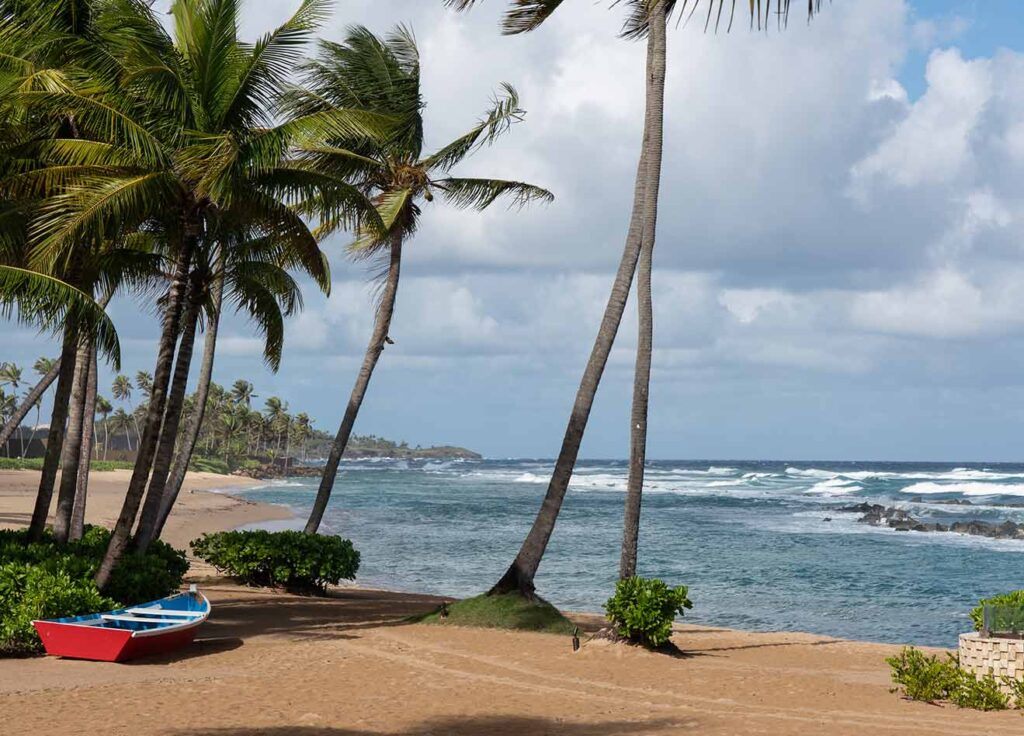
Dorado Beach

This week Puerto Rico also inaugurated for the first time in over 20 years, the same political party. The PNP or US Statehood party won the election with a mandate for political stability, reduced corruption, and closer ties with the United States. While the island’s economic crisis is far from over, the COVID pandemic has put Puerto Rico back in the spotlight for its manufacturing proficiency. The island of Puerto Rico is one of the world’s leading pharmaceutical destinations – producing more than the top 5 US States combined. As thousands of jobs come back to the USA-Puerto Rico, invariably many will end up where the cost of labor is 15% less expensive, and there is a 60 year culture of robust manufacturing.


So is this the year for Puerto Rico?  Strong yes if you are involved with affordable housing, luxury resorts, alternative energy and critical manufacturing.

While we at AG&T do not have the proverbial ‘crystal ball’ on the island’s long term economic growth, things feel like they are on the right track and we will have more clarity with the resolution to the island’s bond crisis, the electrical authority privatization (AEE), and the completion of the responsibilities of The Fiscal Oversight and Managemnt Board for Puerto Rico. 

New Hotel Announced in St. Maarten

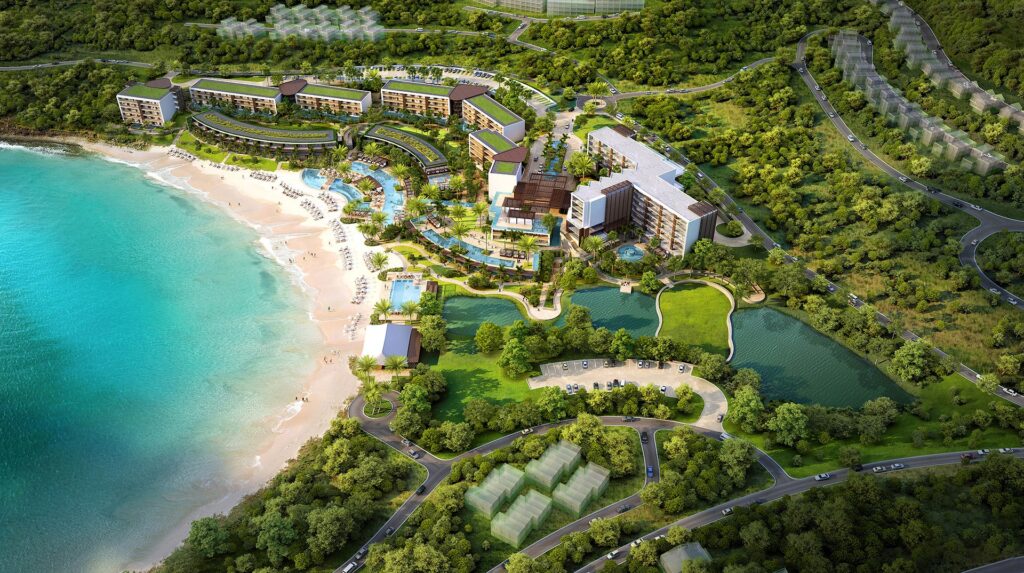
Site Plan of Hotel

INDIGO BAY–Two prominent real estate development firms have partnered with Cay Bay Development (CBD) NV, the master developer at Indigo Bay Development, to propose the development of a US $220 million luxury hotel resort and condos in St. Maarten.  AG&T provided advisory services and a group of independent real estate brokers led by Adam Greenfader at Oceanfront International Group at Douglas Elliman coordinated the transaction. 


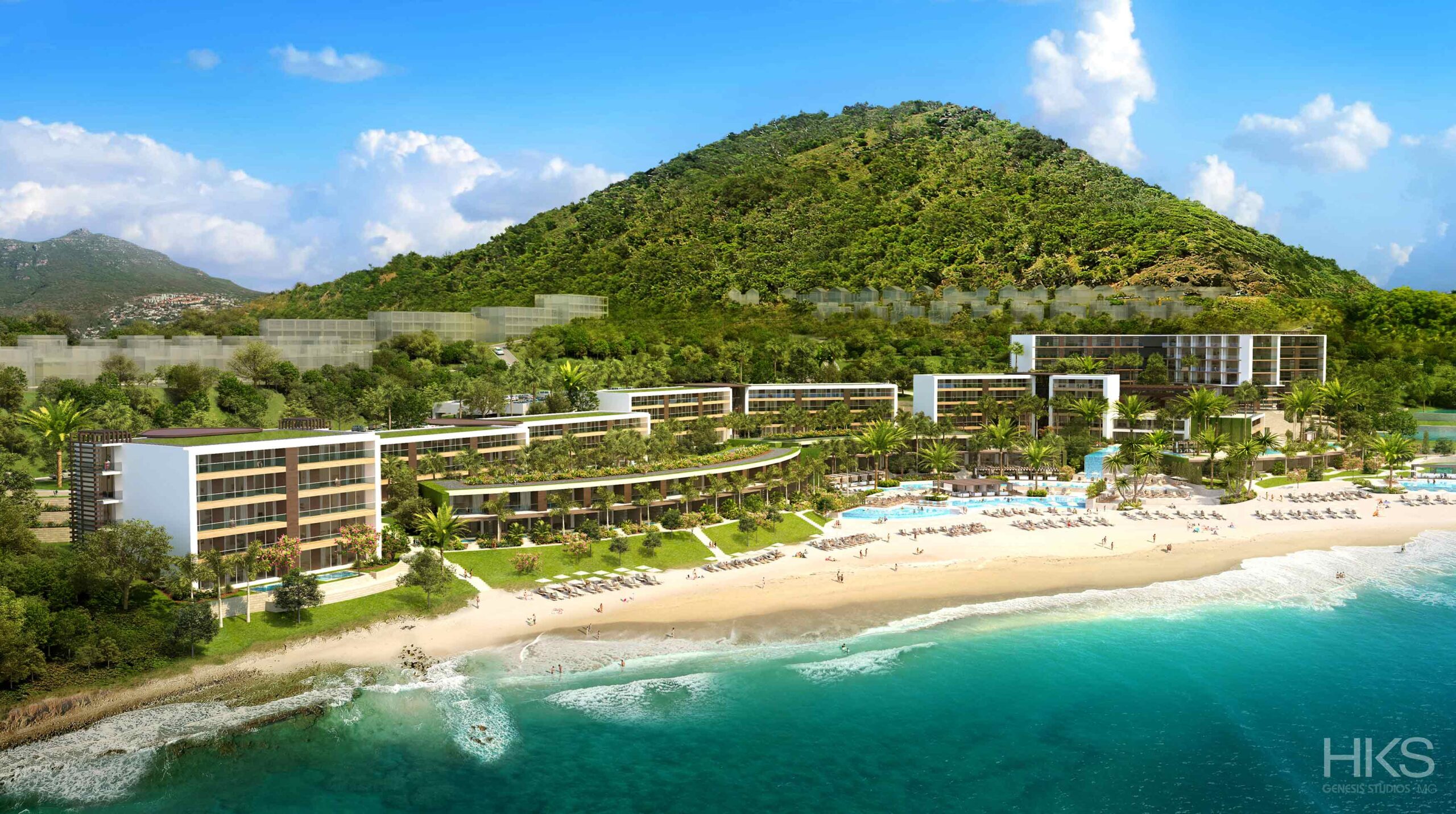
The proposed high-end hotel development at Indigo Bay Development,  is expected to feature certain luxury accommodations and five-star amenities, including 94 hotel rooms and suites, and 130 residential homes. Additionally, the proposed hotel development is expected to feature large water ponds and greenery areas in keeping with its eco-centric vision, as well as an extensive public parking area for public beach access to Indigo Bay.

  “The timing for such a development could not have come at a more opportune time, as country St. Maarten is tasked with creating new and innovative strategies to counter the global economic crisis due to the pandemic,”.

In an economy whereby hospitality and tourism are at the centre of its recovery, it is expected that the development of a high-end branded hotel in St. Maarten would provide an enormous boost to this endeavour by enhancing several areas in tourism.


Hotel Concept at Indigo Bay


According to the release it can enhance St. Maarten’s global attractiveness as a prime tourist destination; increase hotel accommodation by approximately 20 per cent; increase the number of annual visitors to St. Maarten by 32,000 based on hotel occupancy of 65 per cent (double) and an average stay of five nights; and attract high value tourists who may choose St. Maarten as a vacation destination as opposed to accessing surrounding islands through its air and sea ports of entry, it was stated in the release.

The proposed world-class hotel development, once completed, will be managed by an internationally-recognised hotel brand, which will lend itself to greater global recognition, the release said. The projected marketed average daily rate (ADR) for hotel rooms at the proposed new hotel development is expected to be substantially higher than the current average daily rates on St. Maarten.

The CBD and the principals of the proposed hotel development seek to assure that the interest of the citizenry and of the environment are paramount to their endeavor.  Six acres of the overall hotel site of about 18 acres is projected as a green zone, including the retention ponds that were originally constructed at Indigo Bay Development by CBD. 

For more information about Caribbean hotel opportunities contact us 

Caribbean Banking Leadership During the COVID-19 Pandemic

Isabel de Caires

Caribbean Banking Leadership During the COVID-19 Pandemic


During the unprecedented disruption of the COVID-19 pandemic, Caribbean financial institutions faced one of the most significant challenges in their history. With tourism at a standstill, hospitality assets under pressure, and uncertainty across virtually every sector of the regional economy, banks were required to move beyond traditional lending practices and work collaboratively with borrowers to preserve long-term value.

In this exclusive interview, Isabel de Caires of FirstCaribbean International Bank shares how regional lenders responded during the crisis, implementing payment deferrals, restructuring loans, reducing costs, and working alongside clients to help businesses navigate an extraordinary period of uncertainty.

One of the most important lessons from the pandemic was the willingness of Caribbean banks to cooperate—not only with borrowers, but with one another and with governments—to maintain financial stability across the region. That collaborative approach helped many projects survive a period that few could have anticipated.

For AG&T, these conversations reinforced the importance of maintaining strong relationships throughout the Caribbean banking community. Over more than three decades, we have worked closely with regional and international financial institutions, giving our clients valuable insight into evolving lending practices, capital markets, and financing strategies across multiple jurisdictions.

Whether structuring development financing, introducing lending partners, or advising on capital formation, AG&T’s longstanding relationships with Caribbean financial institutions provide clients with access to market intelligence that extends well beyond individual transactions.

Watch the interview with Isabel de Caires to learn how Caribbean banks responded during one of the region’s most challenging periods and how those lessons continue to influence lending and development today.


Hospitality Innovation in Times of Crisis: Lessons from IDB Invest and the Future of Caribbean Tourism

Rogerio Bass

Hospitality Innovation in Times of Crisis: Lessons from IDB Invest and the Future of Caribbean Tourism

Hospitality Innovation in Times of Crisis: Lessons from IDB Invest and the Future of Caribbean Tourism

As the COVID-19 pandemic swept across the globe, few industries were impacted more dramatically than hospitality and tourism. Borders closed, airlines grounded fleets, conferences were canceled, and hotels that once operated at record occupancies suddenly found themselves with little to no demand.

For Latin America and the Caribbean—regions where tourism serves as a critical engine of economic growth, employment, and foreign investment—the implications were profound.

To better understand the challenges facing the industry and the opportunities that could emerge from the crisis, the Urban Land Institute Caribbean Council hosted a conversation between Rogerio Basso, Head of Tourism at IDB Invest, and Adam Greenfader, Chair of the ULI Caribbean Council and Managing Partner of AG&T.

While much of the discussion focused on the immediate impact of the pandemic, the conversation ultimately became a broader examination of innovation, leadership, capital markets, and the future evolution of hotel management throughout Latin America and the Caribbean.

The Tourism Industry Before COVID-19

Before the pandemic, hospitality was experiencing one of the strongest periods in its history.

Global travel demand continued to expand, international tourism arrivals were reaching record levels, and investors remained highly attracted to hospitality assets throughout the Caribbean and Latin America. Major hotel brands were expanding aggressively, new resort developments were under construction, and institutional capital was increasingly targeting hospitality as a long-term growth sector.

Destinations throughout the Caribbean benefited from growing airlift, rising visitor expenditures, and increasing demand for experiential travel, wellness tourism, luxury resorts, and branded residential products.

According to Rogerio Basso, the industry’s fundamentals entering 2020 were exceptionally strong.

What followed was not a traditional economic downturn or cyclical correction. It was a sudden and complete interruption of global mobility.

Why This Crisis Was Different

The hospitality industry has weathered numerous crises over the past several decades, including recessions, geopolitical conflicts, natural disasters, and health emergencies.

COVID-19 was fundamentally different.

Unlike previous downturns that impacted specific regions or market segments, the pandemic affected virtually every tourism destination simultaneously. Hotels were not competing for reduced demand; in many cases, demand simply disappeared.

For owners and operators, the challenge was unprecedented. Revenue declined almost immediately while many fixed costs remained. Management teams were forced to make difficult decisions regarding staffing, operations, capital expenditures, and long-term strategy.

Yet amid the disruption, Rogerio emphasized that hospitality leaders could not simply focus on survival. They also needed to prepare for recovery.

Innovation as a Competitive Advantage

One of the most important themes that emerged during the discussion was the role of innovation in hotel management.

The pandemic accelerated trends that had already begun transforming hospitality, forcing operators to adopt new technologies and rethink traditional business models at a much faster pace.

Hotels across the region began implementing:

  • Contactless check-in and check-out systems

  • Mobile guest communication platforms

  • Digital concierge services

  • Enhanced health and sanitation protocols

  • Flexible staffing models

  • Advanced revenue management systems

  • Data-driven guest personalization

  • Hybrid meeting and conference capabilities

  • Expanded outdoor experiences and wellness programming

Many of these initiatives were initially introduced as crisis-response measures. However, they quickly evolved into permanent operational improvements that enhanced both efficiency and guest satisfaction.

The discussion highlighted an important reality: innovation is often accelerated during periods of disruption.

The hospitality companies that adapted fastest were frequently the ones best positioned to capture demand when travel resumed.

The Evolution of Hotel Management

Perhaps one of the most significant lessons from the pandemic was the changing role of hotel management itself.

Historically, hotel operators focused primarily on maximizing occupancy, controlling expenses, and maintaining service standards. Today’s hospitality leaders must balance a much broader range of responsibilities.

Modern hotel management increasingly requires expertise in:

  • Technology integration

  • Sustainability initiatives

  • Wellness programming

  • Community engagement

The panel discussed how successful operators would need to become more agile, more data-driven, and more responsive to changing guest expectations than ever before.

Hotels are no longer simply places to stay. They are becoming platforms that integrate hospitality, wellness, residential living, experiences, technology, and community.

This transformation is particularly relevant in the Caribbean, where travelers increasingly seek authentic experiences, environmental stewardship, cultural immersion, and personalized service.

The Role of Multilateral Development Banks

A unique aspect of the discussion focused on the role of multilateral development banks (MDBs) in supporting tourism and hospitality during times of crisis.

As Head of Tourism at IDB Invest, Rogerio Basso oversees initiatives that provide financing solutions throughout Latin America and the Caribbean. These include debt, mezzanine financing, equity investments, and other instruments designed to support sustainable development.

Multilateral institutions play a critical role because they often provide patient capital during periods when traditional financing becomes scarce.

Beyond capital, organizations such as IDB Invest contribute technical expertise, environmental standards, governance frameworks, sustainability initiatives, and strategic guidance that strengthen projects over the long term.

The discussion emphasized that recovery would require collaboration among governments, hotel operators, developers, lenders, investors, and development finance institutions.

No single stakeholder could solve the challenges alone.

Three Strategic Actions for Hospitality Leaders

Rogerio outlined several priorities that hospitality companies should consider when navigating periods of uncertainty:

1. Preserve Liquidity

Cash management becomes paramount during periods of disruption. Organizations must maintain financial flexibility to withstand market volatility while preserving their ability to invest when opportunities emerge.

2. Continue Investing in Innovation

The temptation during a crisis is to cut spending across all areas. However, technology, operational improvements, and guest experience enhancements often generate long-term competitive advantages that outlast the crisis itself.

3. Focus on Long-Term Demand Drivers

While short-term conditions may fluctuate, the fundamental drivers of tourism—human connection, exploration, business travel, leisure experiences, and cultural exchange—remain intact.

The strongest organizations maintain a long-term perspective even during periods of uncertainty.

Looking Back: From Crisis to Transformation

Several years later, many of the observations discussed during this ULI Caribbean Conversation proved remarkably accurate.

Tourism throughout the Caribbean and Latin America rebounded faster than many analysts expected. Luxury travel accelerated. Wellness tourism expanded. Branded residences became one of the industry’s fastest-growing segments. Technology adoption increased dramatically. Investors returned to the sector with renewed confidence.

Most importantly, hospitality emerged stronger, more resilient, and more innovative than before.

AG&T’s Commitment to Hospitality Thought Leadership

At AG&T, we believe that some of the most important conversations occur during periods of uncertainty. Throughout the pandemic and beyond, we partnered with the Urban Land Institute Caribbean Council to bring together industry leaders, investors, developers, hotel operators, economists, and policymakers to discuss the future of Caribbean real estate and hospitality.

Our conversation with Rogerio Basso was more than a discussion about crisis management. It was a dialogue about leadership, innovation, and the future of tourism in Latin America and the Caribbean. The lessons remain relevant today.

Hospitality is no longer defined solely by buildings, brands, or locations. It is increasingly defined by adaptability, technology, sustainability, and the ability to create meaningful experiences for guests. As the Caribbean continues its hospitality renaissance, innovation in hotel management will remain one of the most powerful drivers of long-term success. At AG&T, we remain committed to advancing the conversations that help shape that future.

Mixed-use project delivers on wellness in Puerto Rico


AS PUBLISHED IN HOTEL BUSINESS  BY  ON

PONCE, PUERTO RICO—Ponce Paradise—a 900-acre resort, healthcare village and marina located here—is giving guests all the conveniences and amenities of mixed-use, but with a twist.

Adam Greenfader, managing partner, AG&T, the development firm behind Ponce Paradise, said, “There is a trend in hospitality development for travelers searching for a destination that offers a wellness package or amenities.”

Conceptualized by LandDesign and Winstanley Architects & Planners along with AG&T, the teams consulted engineering and aquatic architecture professionals to make the vision a reality, bringing together a mixed-use development and a wellness destination.

“Economies of scale seem to indicate mixed-use projects will be getting larger. The live-work-play concept is really taking hold as more people want to be in the center of it all,” Greenfader said.

Ponce Hospital and Wellness City

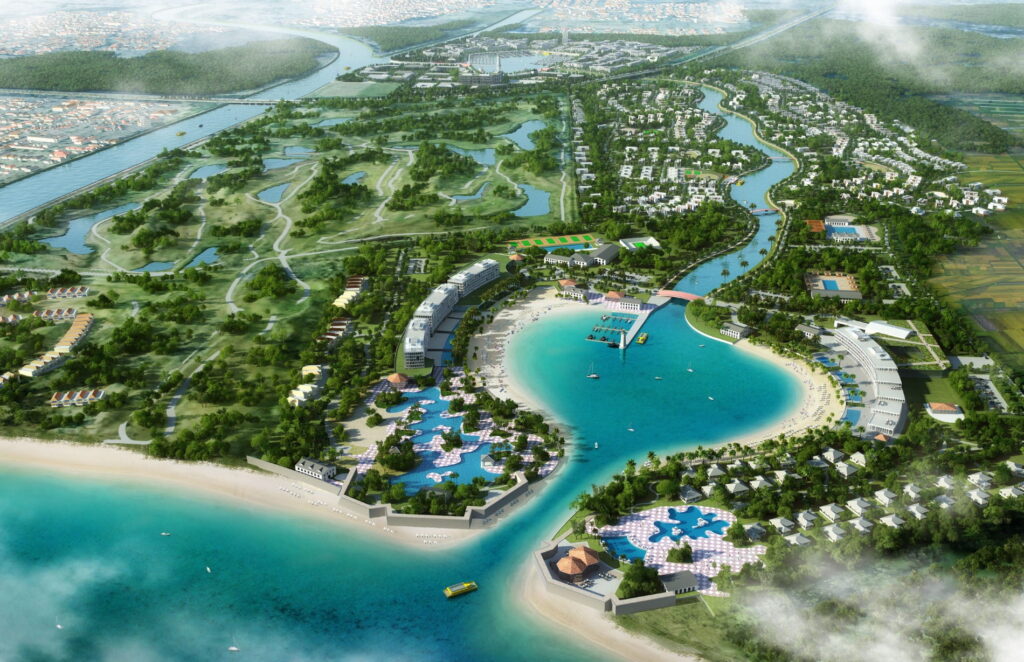
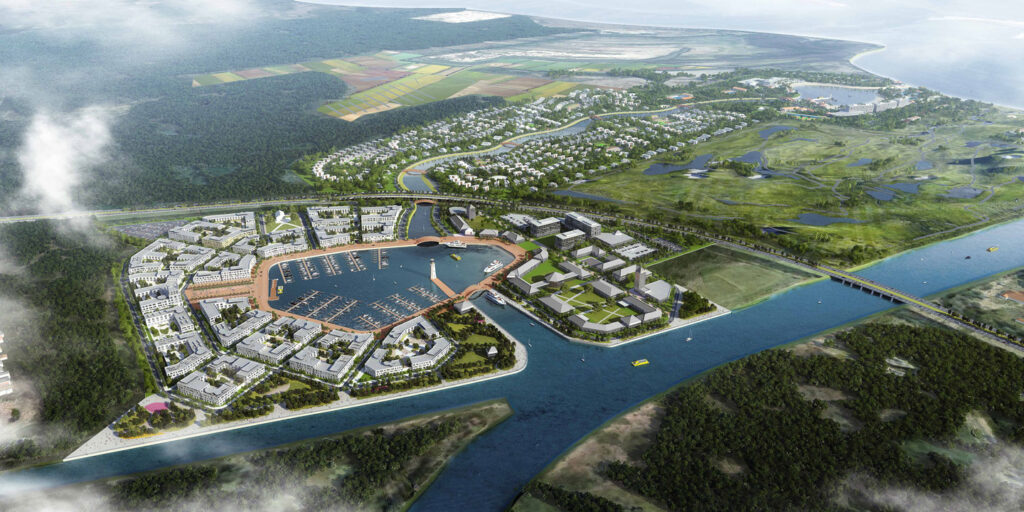
Still in its early design and community involvement phase, Ponce Paradise will comprise a hotel and spa, wellness community, farm-to-table agricultural setup, a micro-grid, residential neighborhoods, a town square and a university medical center, with a total investment of approximately $1 billion.

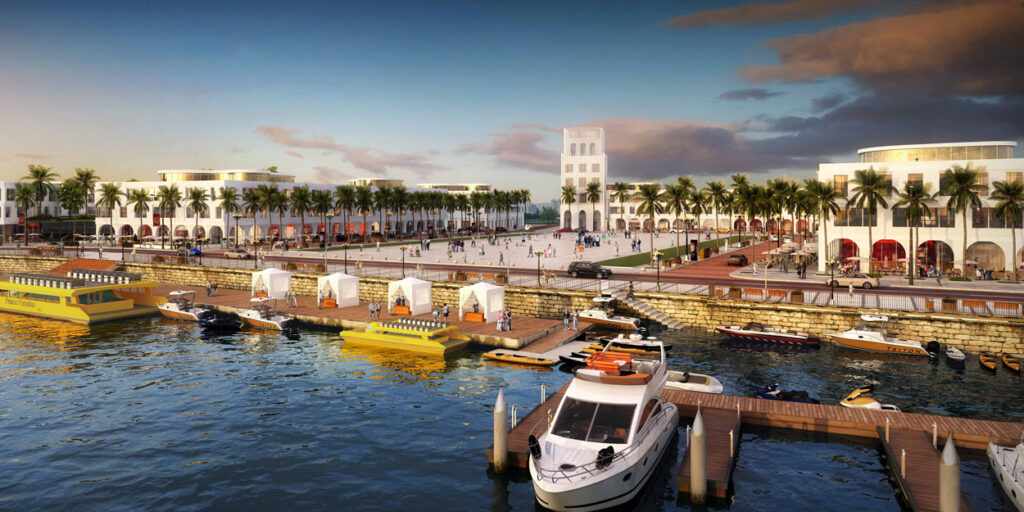
Specifically, the 166-acre Wellness City will have research, university and care facilities, which will include a branded hospital, rehabilitation centers, outpatient, recovery rooms, assisted living facilities, nursing home, short-term residential units and condominiums. The wellness lagoon will have restaurants and retail, and a plaza will be home to a worship center, park and entertainment venue. 

The development will not only promote health and wellness but sustainability as well. About 60% of the site is untouched and will remain in its natural state, according to the Puerto Rico Conservation Easement Law. Additionally, the developed area has acres of green space, waterways and parks.

“Wellness tourism has been estimated as a $563 billion industry in 2018,” Greenfader said. “Puerto Rico is ideally situated to capture a large part of this market due to its central location, airlift and cruise traffic, U.S. medical doctors and great infrastructure.

“There are many medical treatments that can be done in Puerto Rico for a fraction of the cost—and you get to enjoy an amazing Caribbean vacation experience,” he added.

There are, of course, some challenges. “Less than 7% of Puerto Rico’s GDP is tourism based. For a Caribbean island with great beaches, people and infrastructure, this in incredibly low. The city of Ponce, in particular, has a convention center, port and airport that are highly underutilized,” Greenfader said, highlighting the project’s necessity.

He said the first challenge is to get the Municipality of Ponce and the Fiscal Board controlled by the U.S. Congress to fully use its assets. The second challenge—which is common in any large mixed-use project—is to provide the right combination of uses.

“The last challenge is financing,” he said. “In Puerto Rico, there are $20 billion of Community Development Block Grants for Disaster Relief. We trust some of that will be allocated to critical projects such as Ponce Paradise.”

Following meetings with the municipality, major medical associations, cruise lines and community leaders—each with their own concerns—Greenfader is confident that they will be able to address each group while also honoring Ponce’s natural surroundings.

Master Plan for Wellness City and Hospital


“Our job as project sponsors is to balance the concerns of each group with the stewardship of the environment,” he said. “The project must make economic sense but also be a valuable contributor to the local region, protecting and enhancing natural assets.”

Greenfader said that as hospitality as a whole faces its own challenges, differentiators like mixed-use developments are gaining more momentum.

“Airbnb and other disruptors have proven that the market is changing and that guests are seeking new experiences. Budget allocations, the desire to be together in large groups and ease of booking a reservation are just a few reasons the hotel industry is adding more residential units,” he said.

According to Greenfader, residential space generates revenue that can assist with the financing capital stack, while also creating a rental pool of additional units for the high seasons.

Ponce Paradise plans to offer three residential options: single-family homes, smaller vacation rentals and affordable “shotgun-style” housing, all with their own facilities and security.

Its attention to health, however, is the real differentiator, with nature serving as both the basis for its design and Ponce Paradise’s mantra.

“Everyone realizes that wellness is holistic; we don’t just treat the physical but the whole mind, body and spirit,” Greenfader said. “Doctors know that a patient’s success rate is often a result of a positive mental attitude. A cold, sterile room doesn’t necessarily lend itself to great health. Great architecture, beautiful landscaping, water vistas, amazing smells, community, etc., can make the difference between success and failure in a person’s treatment.”

Wellness extends far beyond simple offerings here. “Doing yoga with goats may not prove to have ‘legs,’ but resort wellness has just begun to take off. The reasons are simple: Industrialized nations are getting older, people are living longer, and with two billion new tourists coming from India and China, there are many more potential people for this market niche,” he said. “Some experts say the wellness resort industry is expected to double within the next 20 years and become a $1-trillion industry.”

The sustainability factor is also attracting hoteliers, especially in an area that’s been struck by natural disasters.

“Developers are starting to realize that a weather-related crisis can have a devastating effect on operational risk,” he said. “If a hotel cannot withstand hurricane-force winds, floods and mold, then it will suffer huge downtimes and repairs. In fact, hotels may not ever come back online at all.”

Greenfader said that hotel buyers are now evaluating their portfolios for climate risk and realizing that initially spending 15-20% more in construction costs to make a project resilient and sustainable makes good business sense.

“Developers also realize that if they can stay open during a crisis, their occupancy will be 100% or more,” Greenfader said. “During a relief and rebuilding period, hotels host thousands of relief workers, insurance adjusters and other critical workers. It’s a win-win to be resilient and sustainable.”

This couldn’t be more clear than at the current time, when Puerto Rico is beginning to recover from a series of earthquakes, which Greenfader noted had hit the south particularly hard—especially structures built before 1990, when codes were updated to bolster construction for seismic activity.

“The earthquake reaffirms that a project like Ponce Paradise needs to build a resilient infrastructure into its master plan and be forward-looking in its design,” he said. HB

Puerto Rico Ready for Development

Ponce Paradise

A Beachfront Acre For $30K In An OZ? Welcome To Puerto Rico

Published by Deidra Funcheon, Bisnow Miami

Puerto Rico was already struggling from decades of fiscal mismanagement and had just declared bankruptcy over its $123B debt when it was hit by two hurricanes in September 2017 — only to run into a botched disaster response. The way some see it, though, rock bottom is behind Puerto Rico, and the island is in the early stages of an upswing. “Puerto Rico is setting an incredible pace for economic recovery,” said Brad Dean, CEO of Discover Puerto Rico, a destination marketing organization that promotes the commonwealth. “Airport arrivals are exceeding pre-Hurricane Maria levels, as are lodging revenues. Given the quick rebound, reinvestment in hotel product and tremendous potential for the island’s tourism industry, this is Puerto Rico’s time. From an investor’s perspective, there’s never been a better time to invest in the island’s tourism industry.”

Buildings and infrastructure are still being repaired and upgraded, and the government has instituted a full slate of tax incentives to lure investors, said AG&T Managing Partner Adam Greenfader, who advises clients from his base in Miami. “You can still acquire assets for 50 cents on the dollar,” he said. “Beachfront land in Puerto Rico today can still be acquired at $30K an acre.” Dean and Greenfader will be panelists at Bisnow’s Caribbean Hospitality & Tourism Summit Aug. 1. Puerto Rico’s economic spiral goes back decades. After World War II, it gave big tax breaks to manufacturers, and to cover for revenue shortfalls, issued more bonds than it could repay. In turn, it implemented austerity measures that did little except drive the population away. Its problems were exacerbated by that fact that it has no voting power in Congress.

Greenfader outlined some key developments toward a turnaround. Puerto Rico’s cash-strapped government has tried to lure investors with laws like Acts 20 and 22, passed in 2012 and designed so that people who move to the island pay little or no federal income tax, even on passive investments. Greenfader said this has attracted 250 to 500 families per year, including big names such as billionaire John Paulson.  Other incentives include one that lets people with tourism-related projects get back 40% or 50% of their acquisition costs.  


Development Land
80 Acres in Naguabo, Puerto Rico


Puerto Rico’s massive government debt is currently being sorted out by a federal oversight board. “The major bonds, COFINA and GO, have been renegotiated and the bondholders have been put into payment plans,” Greenfader said.  Since the 2017 hurricanes, federal disaster aid — including $1.4B authorized in June — has trickled in. Hotels damaged in the storms were forced to remodel or rebuild and are now offering better products at higher rates. Many are incorporating solar and microgrids to be resilient for the future. The storms raised the profile of Puerto Rico — one study found that prior to them hitting, about half of Americans hadn’t known the commonwealth was part of the U.S. Airport arrivals and tourism revenue have already set records this year. On top of this, Puerto Rico is the beneficiary of community development block grant funding, and 97% of the entire commonwealth — much of it beachfront — has been designated a qualified opportunity zone. “Puerto Rico never had a 1031 exchange, so from a tax perspective, it’s the first time it’s getting capital gains money,” Greenfader said.  

Lifeafar Investments Chief Financial Officer Cole Shephard, who will also be a panelist at the Bisnow event, said his Colombia-based company is already taking advantage of Puerto Rico’s investment climate, raising $16M in an opportunity fund to reposition a 61-room hotel. Shephard said Lifeafar, which started by offering real estate services to expats in Medellín, was drawn by the tax incentives and that the opportunity zone designation was a bonus. He is now doing due diligence on additional properties. “I see the sophisticated money chasing metro San Juan,” he said, suggesting that there is a lot of opportunity for small to mid-market projects outside of the city. Not everything in Puerto Rico is rosy. 

Development Land
29 Acres in Isabella, Puerto Rico


As the government has scrambled to generate revenue, sales tax was raised to 11.5%, pensions have been cut, college tuition increased and some 300 public schools closed. Critics have complained that wealthy investors have been protected while ordinary Puerto Ricans suffer. “The locals have had to carry the brunt of these austerity measures,” Greenfader acknowledged. “I’d understand completely, if I see a guy who’s a hedge fund manager with $500M earnings pay hardly any taxes, versus the regular guy paying 35% taxes who’s a salaried worker at Bacardi,” Shepherd said. But Shepherd added that conversations with Puerto Rican officials convinced him they have carefully calculated the tradeoff and found that luring private investment now will help island residents long-term, even though it may take years for the effects to be obvious.

Greenfader suggested that boosting tourism is a winning solution for both investors and residents. Because Puerto Rico since the Kennedy era has been focused on manufacturing, its tourism industry was relatively neglected. The industry now accounts for less than 7% of Puerto Rico’s gross domestic product. In other Caribbean islands, that number is typically between 30% and 80%. Dean’s destination marketing organization, Discover Puerto Rico, was established last year to actively promote tourism. Bisnow’s Aug. 1 Caribbean Hospitality & Tourism Summit will also include Puerto Rico Tourism Co. Executive Director Carla Campos, Hilton VP for Development Juan Corvinos Solans, Puerto Rico Builders Association President Ing. Emilio Colón Zavala and more. 

Event Ended On: Thursday August 1 2019