Puerto Rico's Manufacturing Renaissance:
Building the Next Generation of American Industry
Every crisis creates an opportunity to rethink the future.
When the COVID-19 pandemic disrupted global supply chains, it exposed the risks of relying on overseas manufacturing for products critical to national security and public health. At the same time, it highlighted Puerto Rico’s unique strategic advantages. With more than seventy years of manufacturing expertise—particularly in pharmaceuticals, medical devices, biotechnology, and advanced manufacturing—the island was uniquely positioned to play a larger role in strengthening America’s domestic supply chain.
That realization became one of the central themes explored in my book, Why Puerto Rico Now: A Masterplan for Resurgence, Resiliency, and Long-Term Economic Growth. While unprecedented federal reconstruction funding and competitive tax incentives have helped accelerate Puerto Rico’s recovery, long-term prosperity cannot depend solely on disaster relief or temporary incentives. Sustainable economic growth requires a diversified economy built upon innovation, manufacturing, entrepreneurship, technology, and private investment.
One of the leaders helping shape that conversation is Robert Crager, whose decades of experience in Puerto Rico’s manufacturing sector provide a unique perspective on the island’s future. In this interview, we discuss Puerto Rico’s historic role as a manufacturing powerhouse, the opportunities created by the reshoring of critical industries, workforce development, and why advanced manufacturing continues to be one of the island’s greatest competitive advantages.
As Puerto Rico enters a new era of investment, manufacturing represents far more than an economic sector—it is a foundation for resilience. Combined with growth in hospitality, technology, renewable energy, life sciences, and infrastructure, manufacturing has the potential to help create a more diversified and self-sustaining economy capable of generating prosperity for generations to come.
The conversation with Robert reinforces a simple but powerful idea: Puerto Rico’s greatest opportunities lie not only in rebuilding what existed before, but in creating an economy that is stronger, more innovative, and more globally competitive than ever before.
Why Puerto Rico? Understanding the Island's Unique Investment Advantage
The Puerto Rico Investing Mastermind brought together investors, entrepreneurs, developers, attorneys, tax professionals, and economic development leaders to explore the opportunities reshaping Puerto Rico’s economy. Hosted in Condado, San Juan, the program focused on the island’s unique investment advantages, including its strategic relationship with the United States, Act 60 tax incentives, Qualified Opportunity Zones, real estate development, and emerging business sectors.
The program featured presentations and discussions led by Adam Greenfader, Chairman of AG&T; Ashley Tison, Opportunity Zone attorney and national expert; Brett Siglin, real estate investor and educator; Brian Bourgerie, entrepreneur and investor; Kathryn Morea, Puerto Rico business strategist; Joel Berrocal, economic development professional; Michael Gay, CEcD, economic development executive; Samira Yassin, CPA, Esq., tax and legal advisor; and Veronica Montalvo, business and investment advisor. Together, the speakers provided a multidisciplinary perspective on why Puerto Rico has become one of the most compelling investment destinations under the U.S. flag and how public policy, private investment, and entrepreneurship are helping shape the island’s next chapter of economic growth.
Puerto Rico occupies a unique position unlike anywhere else in the Caribbean.
As a U.S. territory, the island combines the legal certainty, financial framework, and market access of the United States with the strategic location, climate, and lifestyle of the Caribbean. This distinctive combination has made Puerto Rico one of the region’s most compelling destinations for business expansion, hospitality development, manufacturing, technology, and real estate investment.
These themes formed the basis of a recent Puerto Rico Investing Mastermind, where investors, entrepreneurs, developers, and business leaders came together to explore the opportunities shaping the island’s next chapter of economic growth.
Rather than focusing solely on individual investment opportunities, the discussion centered on a broader question:
Why is Puerto Rico attracting increasing attention from investors across the United States and around the world?
A Strategic Bridge Between the U.S. and the Caribbean
Puerto Rico offers advantages that extend far beyond its tropical setting.
Operating under the U.S. Constitution, federal banking regulations, intellectual property protections, and established legal framework, the island provides investors with a level of certainty that is difficult to replicate elsewhere in the region.
English and Spanish are widely spoken, the workforce is highly educated, and businesses benefit from direct access to the U.S. financial system while operating in one of the most strategically located jurisdictions in the Caribbean.
For companies serving both North American and Latin American markets, Puerto Rico functions as a natural gateway between the two.
A Competitive Tax Environment
Puerto Rico has also developed one of the most comprehensive economic development strategies in the United States.
Through Act 60, the island offers targeted incentives designed to encourage export services, advanced manufacturing, technology, research and development, hospitality investment, and new business formation. These incentives have helped attract entrepreneurs, investment managers, family offices, technology companies, and professional service firms seeking to establish long-term operations on the island.
The objective has never been simply to reduce taxes.
It has been to create jobs, diversify the economy, stimulate private investment, and encourage innovation across multiple industries.
As Puerto Rico continues to evolve, these incentives remain an important component of a broader economic development strategy focused on long-term competitiveness.
One of America’s Largest Opportunity Zone Markets
Another distinctive advantage is Puerto Rico’s extensive network of Opportunity Zones.
Approximately 98% of the island has been designated as Qualified Opportunity Zones, creating one of the largest concentrations of Opportunity Zone investment opportunities anywhere under U.S. jurisdiction.
These areas encompass urban redevelopment districts, waterfront communities, hospitality destinations, mixed-use projects, industrial properties, and significant portions of the island’s residential and commercial real estate market.
For developers and long-term investors, the Opportunity Zone program has provided an additional incentive to deploy capital into projects that contribute to economic revitalization while benefiting from favorable federal tax treatment.
Combined with local incentives, this creates a uniquely attractive investment environment.
More Than Tax Advantages
While incentives often attract initial attention, they are rarely the sole reason investors choose Puerto Rico.
The island offers a combination of characteristics that continue to drive long-term investment:
A highly educated bilingual workforce.
Strong manufacturing and life sciences sectors.
Expanding technology and innovation ecosystems.
Modern airports, ports, and telecommunications infrastructure.
World-class hospitality and tourism.
Access to U.S. capital markets.
A growing entrepreneurial community.
An exceptional quality of life.
Increasingly, investors are choosing Puerto Rico not simply because of tax policy, but because they recognize the island’s long-term economic potential.
A New Generation of Investment
Over the past decade, Puerto Rico has experienced the emergence of a new generation of entrepreneurs, investors, and business leaders.
Technology companies, digital asset firms, investment managers, manufacturers, hospitality operators, healthcare providers, and family offices have joined long-established local businesses in helping diversify the island’s economy.
At the same time, significant federal infrastructure investment has accelerated modernization efforts across transportation, energy, water systems, housing, and public facilities.
Together, these trends are creating one of the most dynamic investment environments in the Caribbean.
AG&T’s Perspective
Having worked in Puerto Rico for more than three decades, AG&T has witnessed the island’s remarkable evolution firsthand.
Our experience spans residential communities, hospitality developments, mixed-use projects, institutional advisory assignments, and strategic planning initiatives across the island.
Throughout that time, one lesson has remained constant.
Puerto Rico’s greatest strength is not any single incentive program. It is the combination of its people, its strategic location, its legal and financial framework, its entrepreneurial culture, and its unique relationship with the United States.
Those advantages cannot be replicated elsewhere in the Caribbean.
As Puerto Rico continues to strengthen its economy and expand its global connections, we believe the island is well positioned to become one of the leading destinations for investment, innovation, and sustainable development throughout the Americas.
The opportunity extends far beyond tax incentives.
It is about participating in the long-term transformation of one of the Caribbean’s most resilient and promising economies.
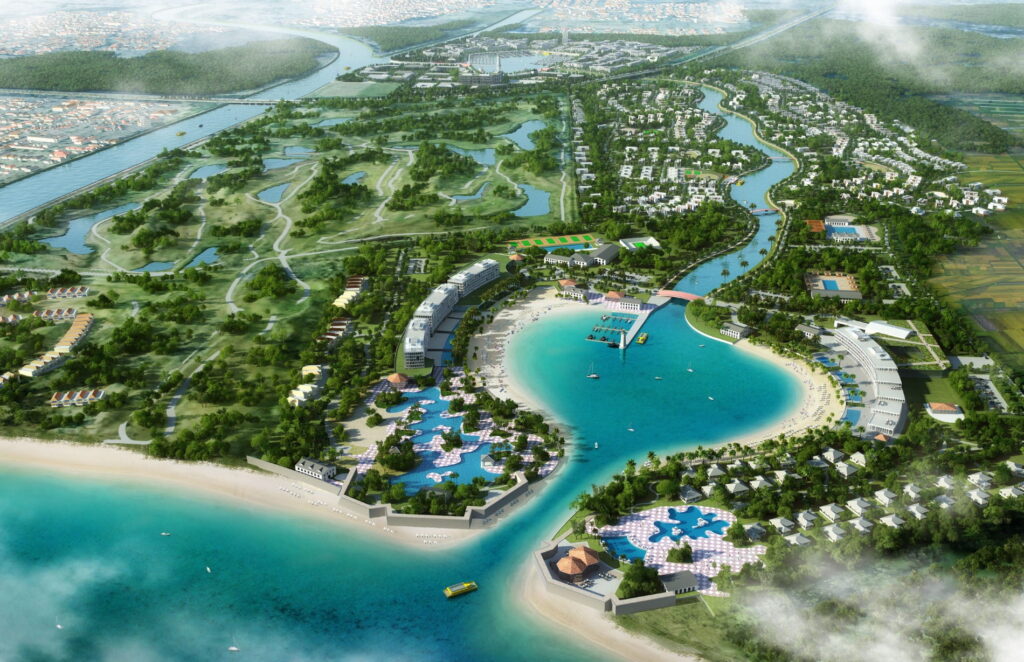
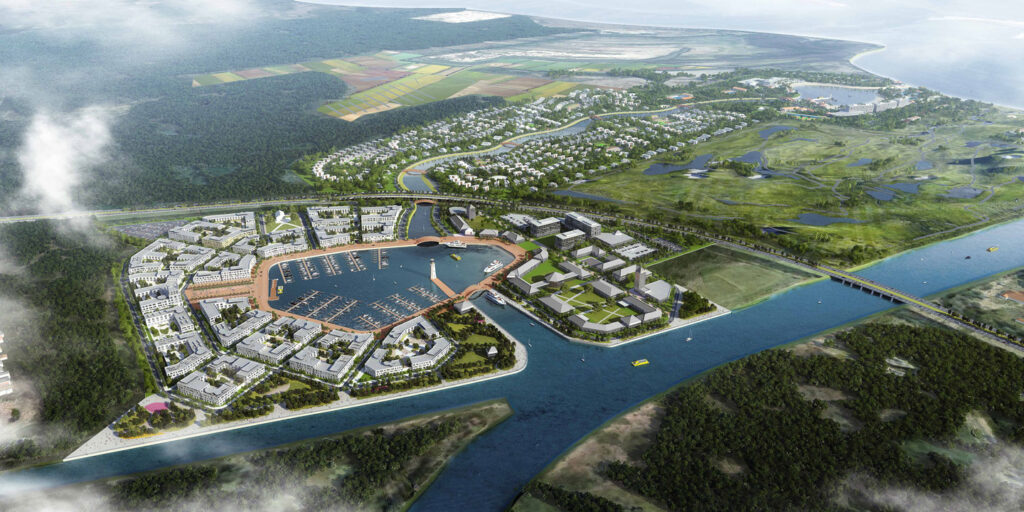
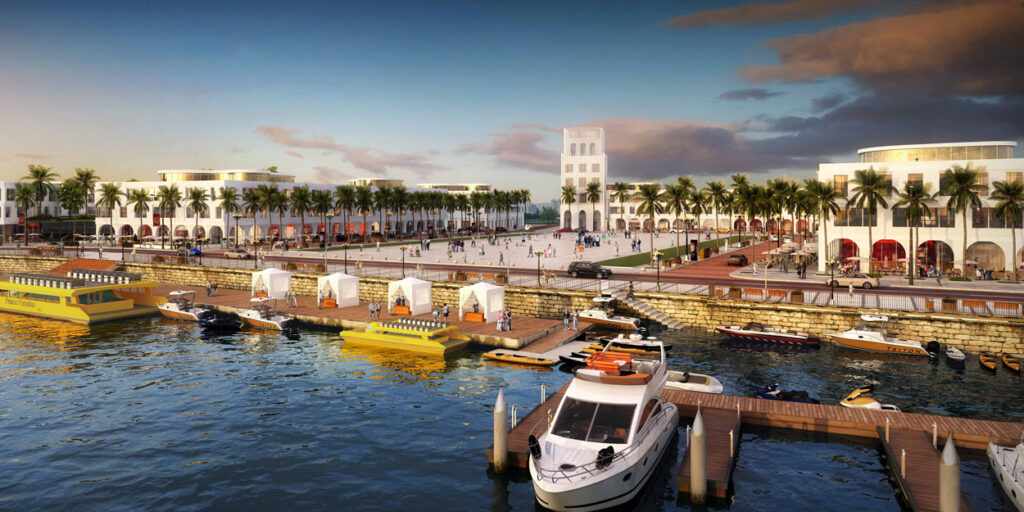
PONCE, PUERTO RICO—Ponce Paradise—a 900-acre resort, healthcare village and marina located here—is giving guests all the conveniences and amenities of mixed-use, but with a twist.
Master Plan Resort Destination
Adam Greenfader, managing partner, AG&T, the development firm behind Ponce Paradise, said, “There is a trend in hospitality development for travelers searching for a destination that offers a wellness package or amenities.”
Conceptualized by LandDesign and Winstanley Architects & Planners along with AG&T, the teams consulted engineering and aquatic architecture professionals to make the vision a reality, bringing together a mixed-use development and a wellness destination.
“Economies of scale seem to indicate mixed-use projects will be getting larger. The live-work-play concept is really taking hold as more people want to be in the center of it all,” Greenfader said.
Master Plan for Wellness City and Hospital
Ponce Hospital and Wellness City
Still in its early design and community involvement phase, Ponce Paradise will comprise a hotel and spa, wellness community, farm-to-table agricultural setup, a micro-grid, residential neighborhoods, a town square and a university medical center, with a total investment of approximately $1 billion.
Specifically, the 166-acre Wellness City will have research, university and care facilities, which will include a branded hospital, rehabilitation centers, outpatient, recovery rooms, assisted living facilities, nursing home, short-term residential units and condominiums. The wellness lagoon will have restaurants and retail, and a plaza will be home to a worship center, park and entertainment venue.
The development will not only promote health and wellness but sustainability as well. About 60% of the site is untouched and will remain in its natural state, according to the Puerto Rico Conservation Easement Law. Additionally, the developed area has acres of green space, waterways and parks.
“Wellness tourism has been estimated as a $563 billion industry in 2018,” Greenfader said. “Puerto Rico is ideally situated to capture a large part of this market due to its central location, airlift and cruise traffic, U.S. medical doctors and great infrastructure.
“There are many medical treatments that can be done in Puerto Rico for a fraction of the cost—and you get to enjoy an amazing Caribbean vacation experience,” he added.
There are, of course, some challenges. “Less than 7% of Puerto Rico’s GDP is tourism based. For a Caribbean island with great beaches, people and infrastructure, this in incredibly low. The city of Ponce, in particular, has a convention center, port and airport that are highly underutilized,” Greenfader said, highlighting the project’s necessity.
He said the first challenge is to get the Municipality of Ponce and the Fiscal Board controlled by the U.S. Congress to fully use its assets. The second challenge—which is common in any large mixed-use project—is to provide the right combination of uses.
“The last challenge is financing,” he said. “In Puerto Rico, there are $20 billion of Community Development Block Grants for Disaster Relief. We trust some of that will be allocated to critical projects such as Ponce Paradise.”
Following meetings with the municipality, major medical associations, cruise lines and community leaders—each with their own concerns—Greenfader is confident that they will be able to address each group while also honoring Ponce’s natural surroundings.
“Our job as project sponsors is to balance the concerns of each group with the stewardship of the environment,” he said. “The project must make economic sense but also be a valuable contributor to the local region, protecting and enhancing natural assets.”
Greenfader said that as hospitality as a whole faces its own challenges, differentiators like mixed-use developments are gaining more momentum.
“Airbnb and other disruptors have proven that the market is changing and that guests are seeking new experiences. Budget allocations, the desire to be together in large groups and ease of booking a reservation are just a few reasons the hotel industry is adding more residential units,” he said.
According to Greenfader, residential space generates revenue that can assist with the financing capital stack, while also creating a rental pool of additional units for the high seasons.
Ponce Paradise plans to offer three residential options: single-family homes, smaller vacation rentals and affordable “shotgun-style” housing, all with their own facilities and security.
Its attention to health, however, is the real differentiator, with nature serving as both the basis for its design and Ponce Paradise’s mantra.
“Everyone realizes that wellness is holistic; we don’t just treat the physical but the whole mind, body and spirit,” Greenfader said. “Doctors know that a patient’s success rate is often a result of a positive mental attitude. A cold, sterile room doesn’t necessarily lend itself to great health. Great architecture, beautiful landscaping, water vistas, amazing smells, community, etc., can make the difference between success and failure in a person’s treatment.”
Wellness extends far beyond simple offerings here. “Doing yoga with goats may not prove to have ‘legs,’ but resort wellness has just begun to take off. The reasons are simple: Industrialized nations are getting older, people are living longer, and with two billion new tourists coming from India and China, there are many more potential people for this market niche,” he said. “Some experts say the wellness resort industry is expected to double within the next 20 years and become a $1-trillion industry.”
The sustainability factor is also attracting hoteliers, especially in an area that’s been struck by natural disasters.
“Developers are starting to realize that a weather-related crisis can have a devastating effect on operational risk,” he said. “If a hotel cannot withstand hurricane-force winds, floods and mold, then it will suffer huge downtimes and repairs. In fact, hotels may not ever come back online at all.”
Greenfader said that hotel buyers are now evaluating their portfolios for climate risk and realizing that initially spending 15-20% more in construction costs to make a project resilient and sustainable makes good business sense.
“Developers also realize that if they can stay open during a crisis, their occupancy will be 100% or more,” Greenfader said. “During a relief and rebuilding period, hotels host thousands of relief workers, insurance adjusters and other critical workers. It’s a win-win to be resilient and sustainable.”
This couldn’t be more clear than at the current time, when Puerto Rico is beginning to recover from a series of earthquakes, which Greenfader noted had hit the south particularly hard—especially structures built before 1990, when codes were updated to bolster construction for seismic activity.
“The earthquake reaffirms that a project like Ponce Paradise needs to build a resilient infrastructure into its master plan and be forward-looking in its design,” he said. HB
For decades, the Caribbean has been recognized as one of the world’s premier tourism destinations. Today, it is emerging as one of the most compelling regions for hospitality investment, infrastructure development, and long-term capital deployment. At the center of that transformation is Puerto Rico—a market whose financial renaissance is helping redefine investment across the Caribbean.
At AG&T, we have had the privilege of participating in that evolution for more than three decades.
As a Caribbean real estate development and capital advisory firm, our mission extends well beyond individual transactions. We have worked to strengthen the economic ties between Puerto Rico, the U.S. mainland, and the broader Caribbean by bringing together developers, lenders, institutional investors, hospitality brands, family offices, government agencies, and industry leaders. We believe that successful hospitality markets are built on relationships, collaboration, and confidence in long-term investment.
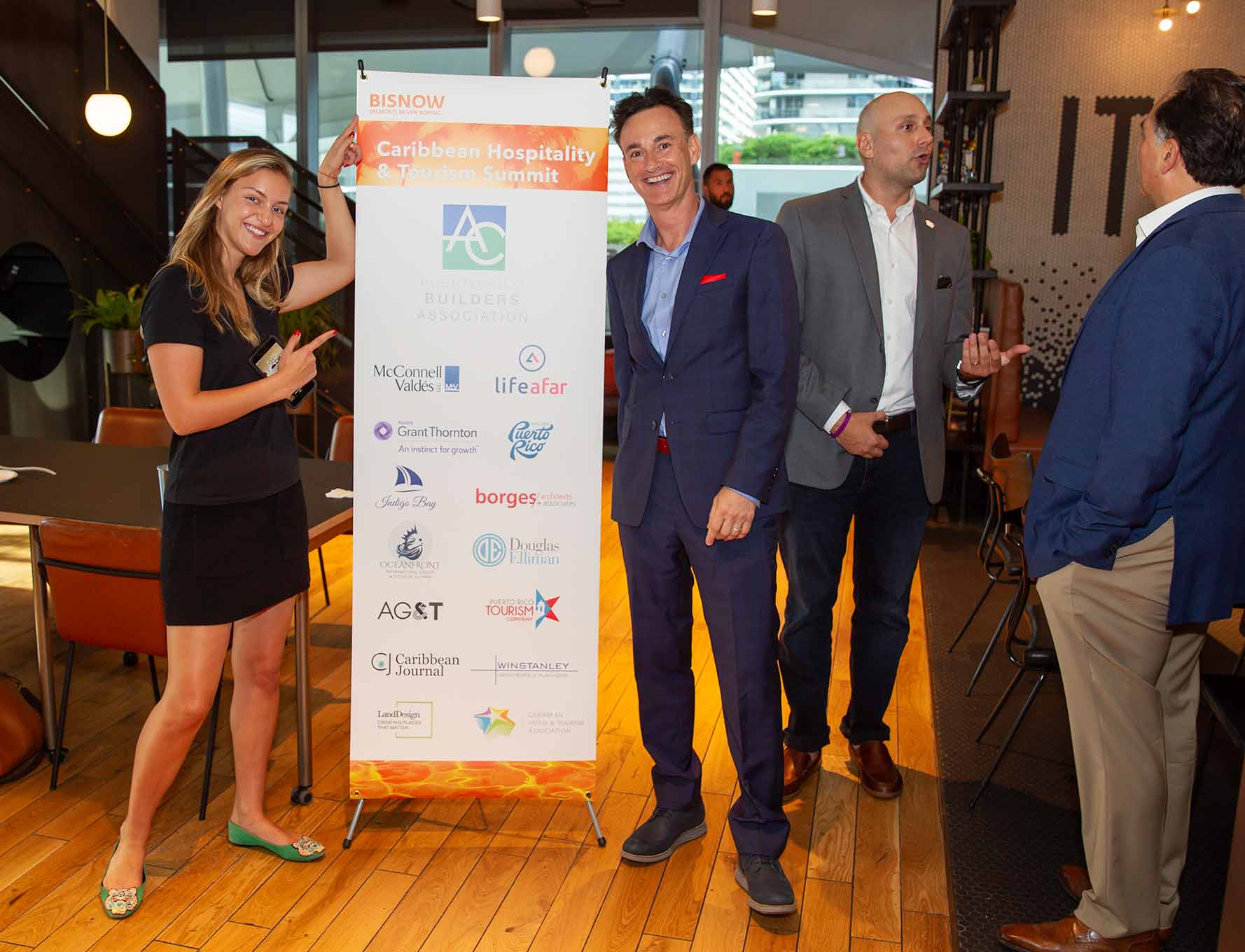
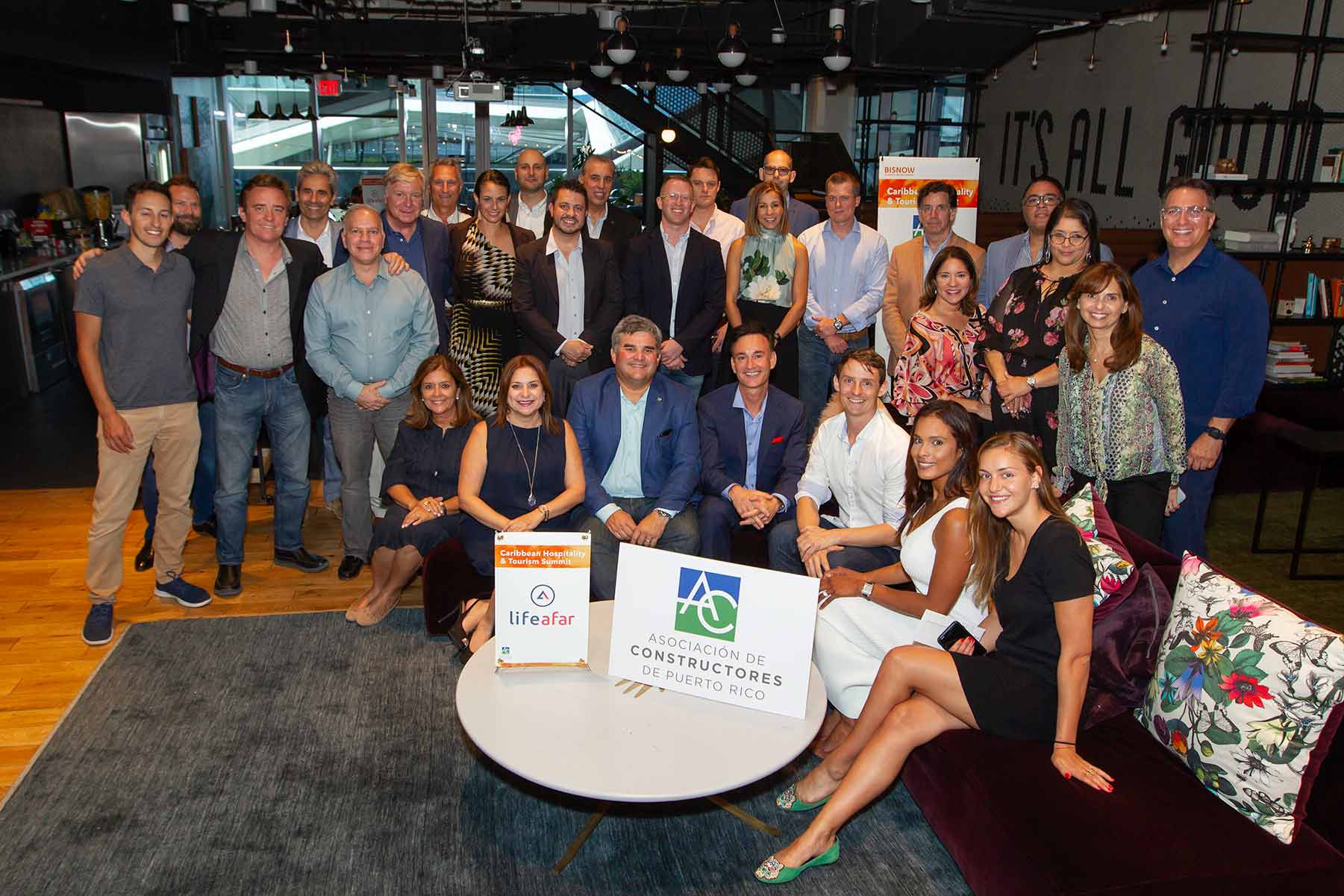
This philosophy has guided AG&T’s partnerships with organizations such as the Puerto Rico Builders Association, the Urban Land Institute, Bisnow, hospitality conferences, investment forums, and numerous public and private initiatives designed to showcase the Caribbean as a world-class destination for investment as well as tourism.
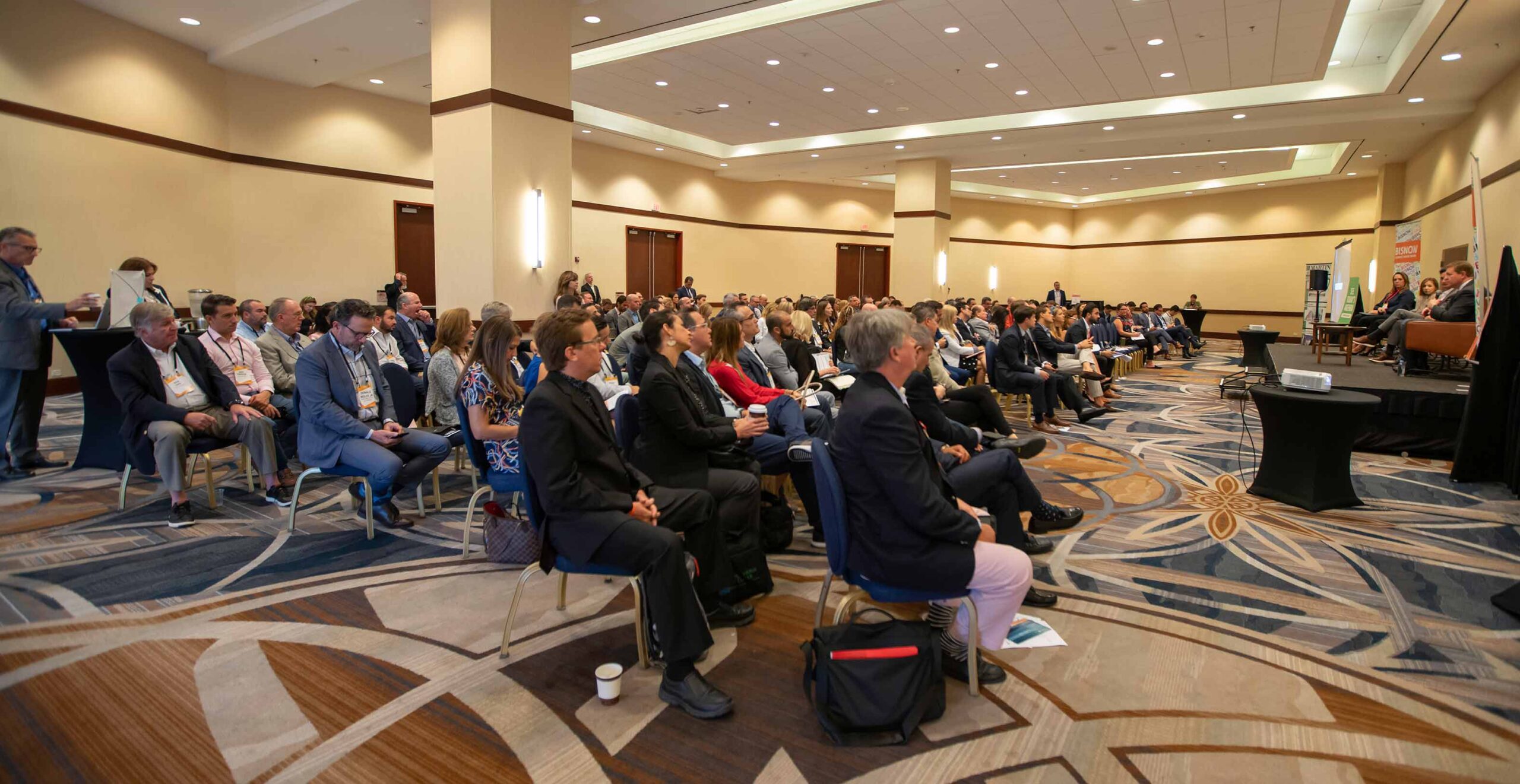
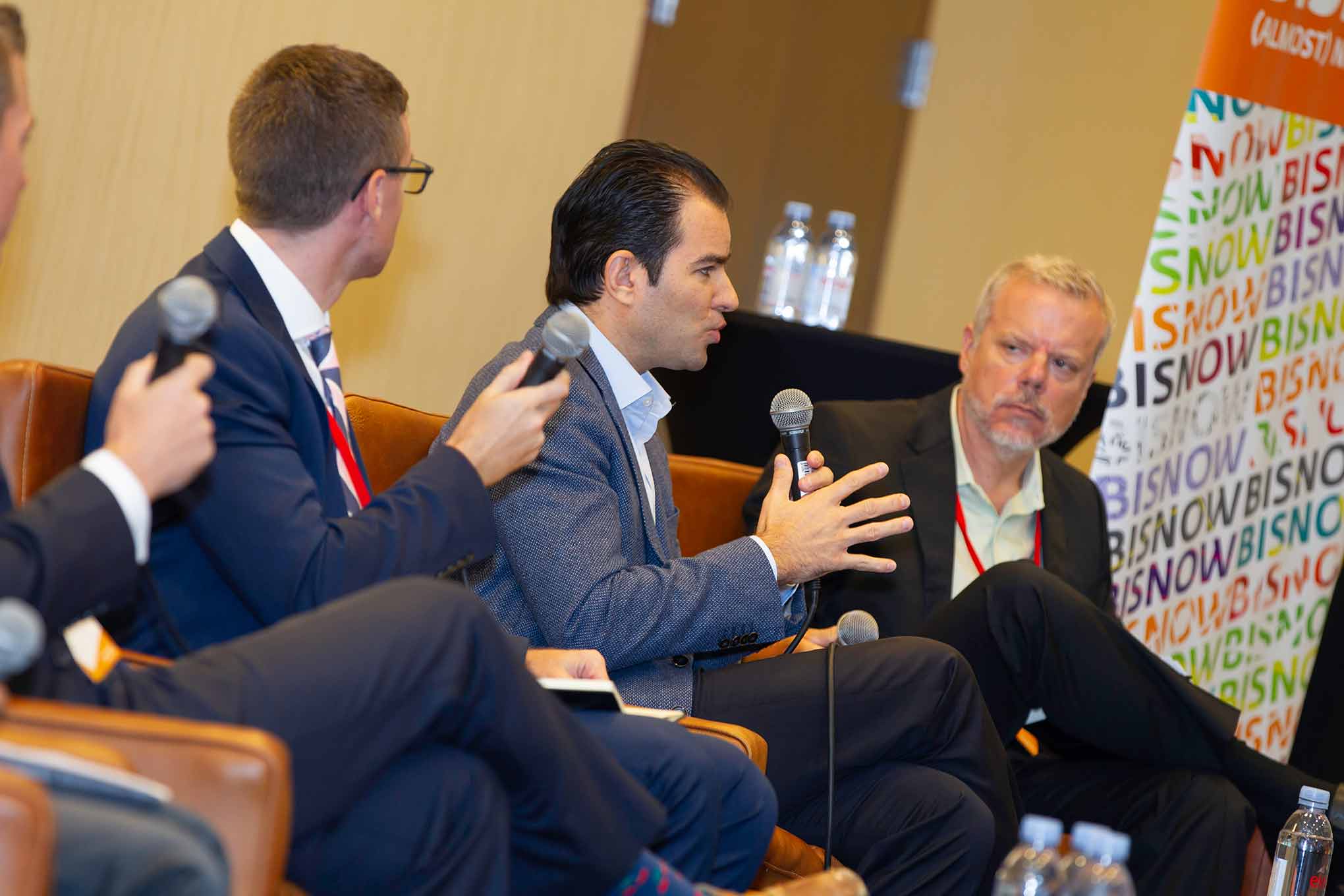
One such milestone was the Puerto Rico Builders Association’s conference, where AG&T organized and moderated a discussion on the future of development finance featuring senior executives from FirstBank, the Economic Development Bank of Puerto Rico, and Acrecent Financial. While the conversation centered on financing new construction, it reflected something much larger: Puerto Rico’s financial sector was entering a new era, creating opportunities not only for the island, but for hospitality and real estate investment throughout the Caribbean.
Looking back today, that conversation marked the beginning of a broader transformation.
Puerto Rico has emerged from years of fiscal restructuring with renewed financial stability, strengthened institutions, and a growing ecosystem of capital providers. Traditional banks have returned to construction lending, private credit has expanded, institutional investors are increasingly active, and billions of dollars in federal investment have accelerated infrastructure modernization. Together, these developments have created one of the strongest investment environments the island has experienced in decades.
The implications extend far beyond Puerto Rico.
Hospitality has always been one of the Caribbean’s most important economic engines. Across the region, demand for luxury resorts, branded residences, mixed-use destinations, marinas, wellness communities, and experiential travel continues to grow. Meeting that demand requires sophisticated capital markets, experienced development partners, and trusted financial institutions.
Puerto Rico’s financial resurgence is helping create that foundation.
As capital markets mature and investor confidence grows, the island increasingly serves as a gateway for institutional investment into the Caribbean. International hotel brands, private equity firms, family offices, lenders, and developers are viewing the region with renewed optimism, supported by stronger financial structures and improved access to capital.
At AG&T, we have worked to help build those connections.
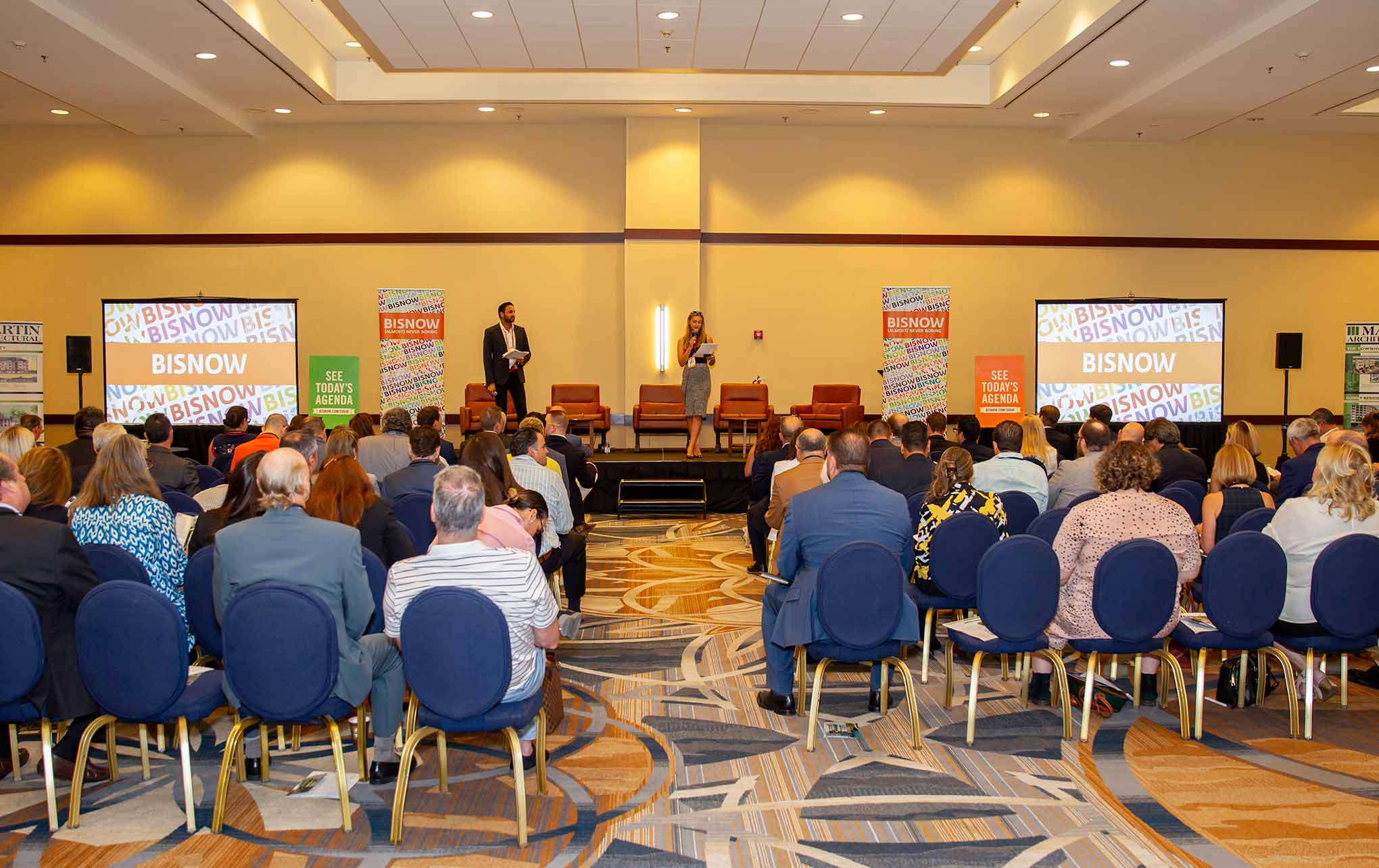
Through partnerships with organizations such as Bisnow, the Urban Land Institute, the Puerto Rico Builders Association, and numerous hospitality and investment organizations, we have organized conferences, investor forums, educational programs, and networking events that connect mainland U.S. capital with Caribbean opportunities. These initiatives are designed not simply to promote projects, but to foster meaningful dialogue between investors, public officials, hospitality leaders, financial institutions, and developers.
Our objective has remained remarkably consistent: position Puerto Rico and the Caribbean as globally competitive destinations for investment, innovation, and sustainable economic growth.
The Caribbean hospitality sector is entering a defining period. Record tourism, expanding airlift, increasing demand for luxury accommodations, resilient infrastructure, and growing interest from global investors are reshaping the region’s development landscape. At the same time, public-private partnerships, innovative financing structures, and collaborative leadership are creating opportunities that would have been difficult to imagine only a decade ago.
Economic transformation does not occur in isolation. It is the product of sustained collaboration among governments, financial institutions, developers, investors, and industry organizations that share a common vision.
Puerto Rico’s financial renaissance is strengthening not only the island’s economy, but also the future of Caribbean hospitality.
At AG&T, we are proud to continue serving as a bridge between Caribbean opportunity and global capital—helping build the relationships that will shape the region’s next generation of hospitality and real estate development.
From Ideas to Action: Helping Rebuild Puerto Rico Through ULI Advisory Services
Thought leadership is important…But real leadership is measured by action.
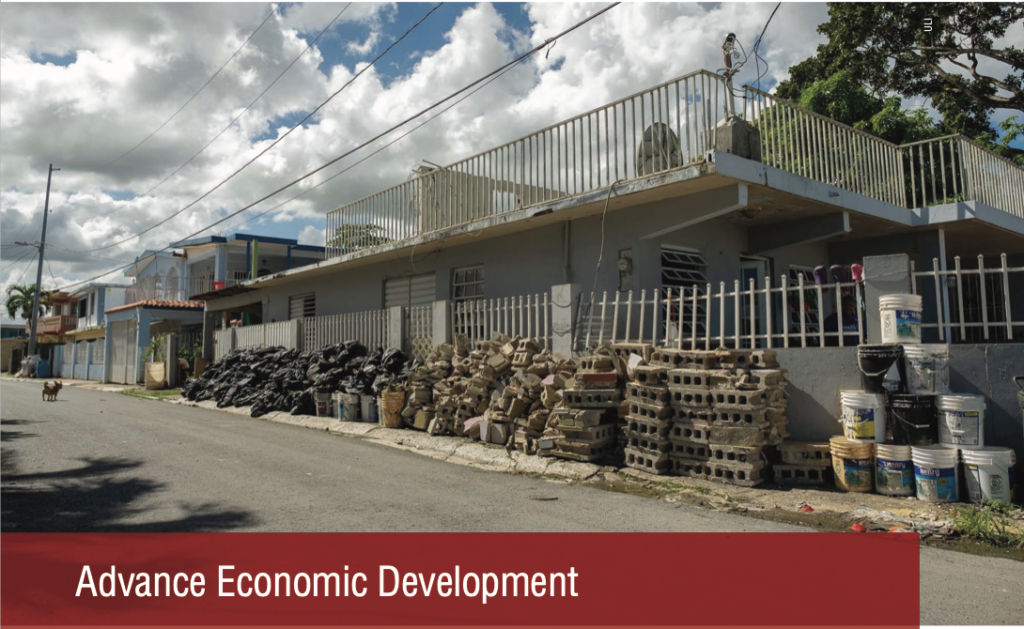
Following the catastrophic devastation caused by Hurricane Maria in 2017, Puerto Rico faced one of the greatest rebuilding challenges in its modern history. Communities across the island were confronted not only with repairing damaged infrastructure and housing, but with a much larger question:
How do we rebuild stronger than before?
Rather than simply discussing resilience from the conference stage, AG&T joined a multidisciplinary team of national experts through the Urban Land Institute (ULI) Advisory Services Program to help answer that question.
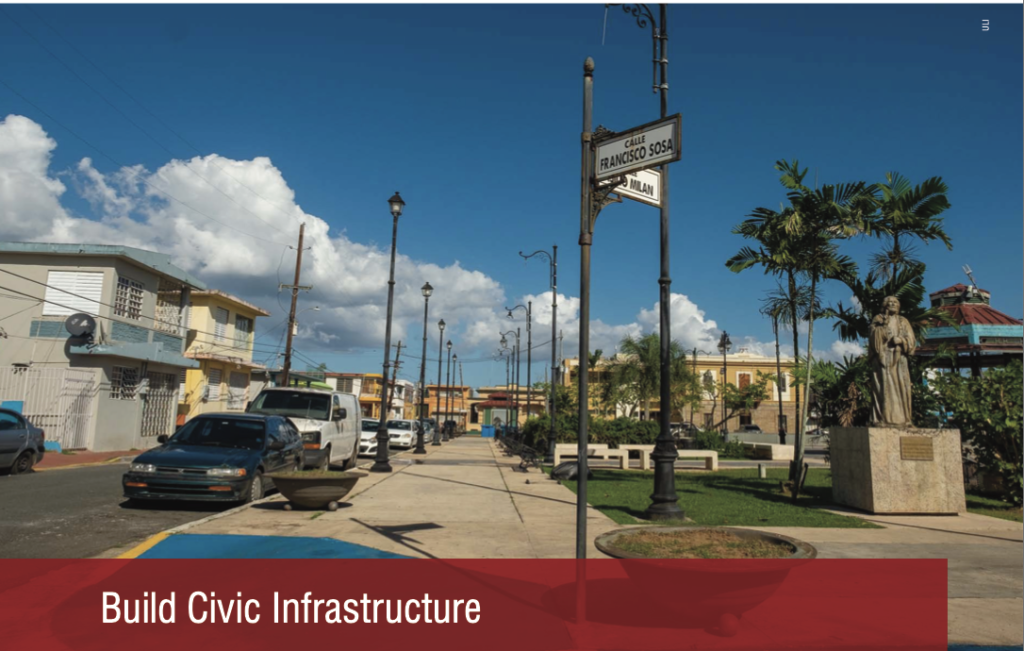
Supported by The Kresge Foundation, ULI Southeast Florida/Caribbean, Alvarez-Díaz & Villalón, and the Puerto Rico Builders Association, the Advisory Services Panel traveled to the Municipality of Toa Baja to work directly with local government, business leaders, community organizations, and residents to develop a practical roadmap for long-term recovery and resilience.
Turning Expertise into Action
ULI’s Advisory Services Panels are among the organization’s highest forms of professional service.
Rather than serving as conferences or academic exercises, these panels assemble nationally recognized experts in planning, architecture, engineering, finance, economic development, housing, resilience, public policy, and real estate to solve complex urban challenges.
For one intensive week, the team immersed itself in Toa Baja meeting with local stakeholders, touring neighborhoods, evaluating damaged infrastructure, reviewing economic data, and identifying opportunities that could strengthen the municipality for generations to come.
For AG&T, organizing and participating in the panel reflected a core belief:
Knowledge creates value only when it leads to action.
The Challenge
Among Puerto Rico’s municipalities, Toa Baja was one of the hardest hit by Hurricane Maria.
The municipality sustained more than $1.3 billion in damages, with widespread impacts to housing, businesses, transportation infrastructure, utilities, and public facilities.
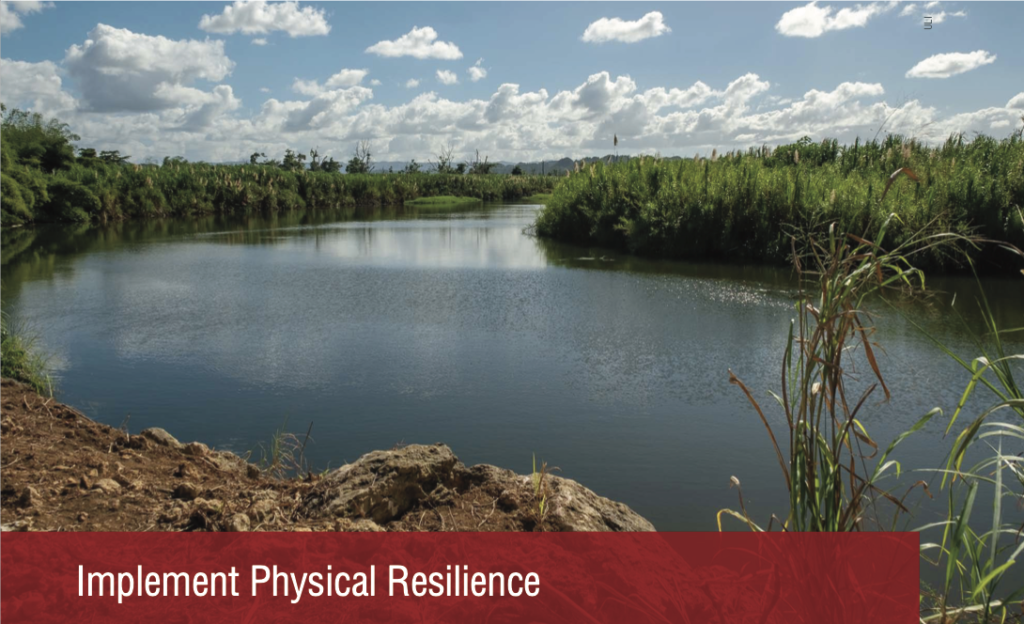
Its geographic location also made it particularly vulnerable to future flooding, storm surge, sea-level rise, and other climate-related hazards.
The challenge extended well beyond reconstruction.
The objective was to create a strategy for a safer, stronger, and more economically resilient community.
Looking Beyond Recovery
The panel’s recommendations extended far beyond repairing damaged buildings.
Instead, the team examined how resilience could become a catalyst for economic development.
Among the key areas explored were:
Identifying Toa Baja’s long-term competitive advantages within Puerto Rico and the Caribbean.
Strengthening economic drivers capable of creating sustainable employment.
Improving land use planning to reduce exposure to flooding and future storm events.
Integrating resilience into future housing and commercial development.
Leveraging public-private partnerships to accelerate investment.
Creating more efficient land development processes.
Expanding access to resilient housing for residents across all income levels.
Aligning reconstruction efforts with long-term economic growth rather than short-term recovery.
The panel also examined how natural systems, coastal conditions, transportation networks, and infrastructure investments could work together to create a more resilient municipality.
Resilience as Economic Development
One of the panel’s most important conclusions was that resilience should not be viewed simply as disaster preparedness.
Well-designed resilient communities are also stronger economies.
Investments in flood mitigation, resilient infrastructure, modern utilities, housing, transportation, environmental restoration, and thoughtful land planning improve quality of life while making communities more attractive for residents, businesses, investors, and employers.
Today, that philosophy has become increasingly accepted throughout the development industry.
Institutional investors, lenders, insurers, and governments now recognize resilience as a critical component of long-term value creation.
From Recommendations to Lasting Impact
Although the Advisory Services Panel lasted only one week, its influence extended well beyond the final presentation.
The report continues to serve as a strategic resource for municipal planning, resilience initiatives, economic development discussions, and future investment opportunities.
More importantly, it demonstrated what can be achieved when the public sector, private industry, nonprofit organizations, and community leaders collaborate toward a common objective.
The challenges facing island communities require integrated solutions.
No single organization can solve them alone.
AG&T’s Commitment
For AG&T, participating in the Toa Baja Advisory Services Panel reflects the type of work we believe matters most.
Our role extends beyond advising individual developments. We are equally committed to helping strengthen the communities in which those projects exist.
Over the years, AG&T has contributed to numerous initiatives involving the Urban Land Institute, the Puerto Rico Builders Association, universities, government agencies, institutional investors, and nonprofit organizations, all with the shared objective of advancing sustainable economic development throughout Puerto Rico and the Caribbean.
Whether the challenge involves resilience, housing, hospitality, infrastructure, climate adaptation, or economic competitiveness, we believe meaningful progress begins with collaboration.
Because rebuilding communities is about more than replacing what was lost. It is about creating places that are stronger, safer, more prosperous, and better prepared for the future.
That is the kind of work that creates lasting impact.