Why CHICOS Matters: Connecting Caribbean Hospitality with Global Capital

The Caribbean Hotel Investment Conference & Operations Summit (CHICOS) is reputed the premier hospitality conference in the region. Embarking on its 13th edition, CHICOS brings together over 300 regional and international investors and operators, as well as the region’s leading decision makers. Also participating as attendees or speakers are governmental representatives, opinion leaders, developers, bankers and other lenders, tourism officials, investment funds, hotel brand executives, individuals/companies seeking investors for their tourism projects, franchise and operations companies, public and private institutions, consultants, advisors and architects and designers.

Continue reading

Building Puerto Rico Together: Celebrating More Than Five Decades of Leadership

Puerto Rico Old san Juan

Join us for the Puerto Rico Builders Association 51st Annual Convention, an exciting event that brings together industry professionals, inspiring speakers, and a multitude of exhibits. Taking place on October 9-10, 2024, this two-day convention offers a unique opportunity to delve into relevant topics, engage in valuable networking activities, and stay abreast of the latest trends and resources. With high-profile speakers and a variety of exhibits, this convention promises to be an invaluable experience that you won’t want to miss. Learn more about this engaging event and mark your calendar for an unforgettable experience!

Continue reading

Building a More Resilient Caribbean: Why Climate Infrastructure Has Become the Region’s Highest Priority

CARIF 2024

Looking to secure financing solutions for Caribbean projects? Don’t miss CARIF 2025 Financing For Caribbean Infrastructure on September 24-25 at Coconut Grove’s luxurious Ritz Carlton. Discover the new players in investment funds and sovereign wealth funds, and explore their appetite for collaboration. Uncover the opportunities for regional commercial lenders and multilateral development banks to partner with you. Dive into the latest trends in financial models for infrastructure development and the driving forces behind them. Above all, uncover the elusive investment opportunities waiting for you in this dynamic industry. Join us to propel your investments to new heights!

Continue reading

Beyond the Name: Why Branded Residences Are Transforming Caribbean Hospitality

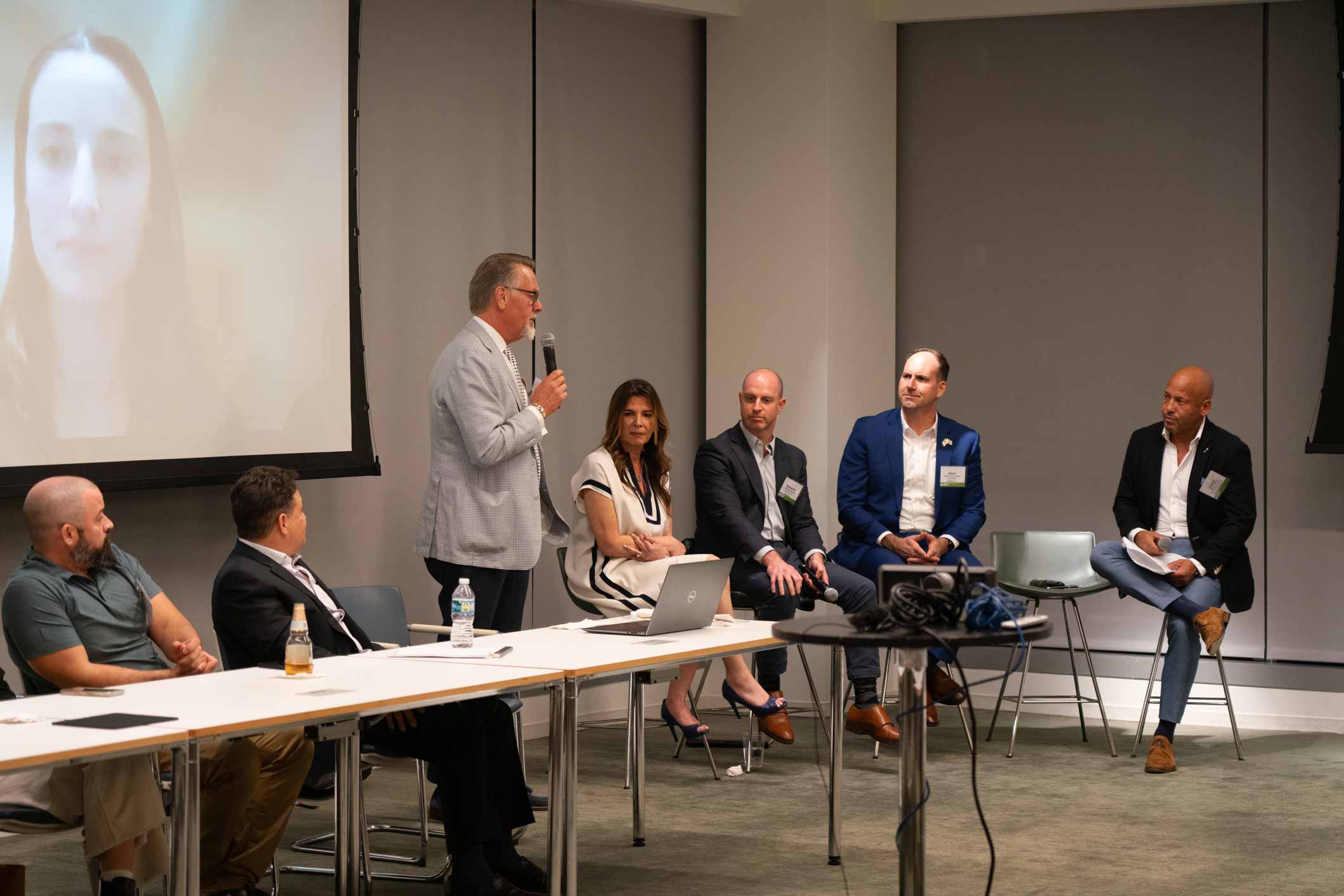
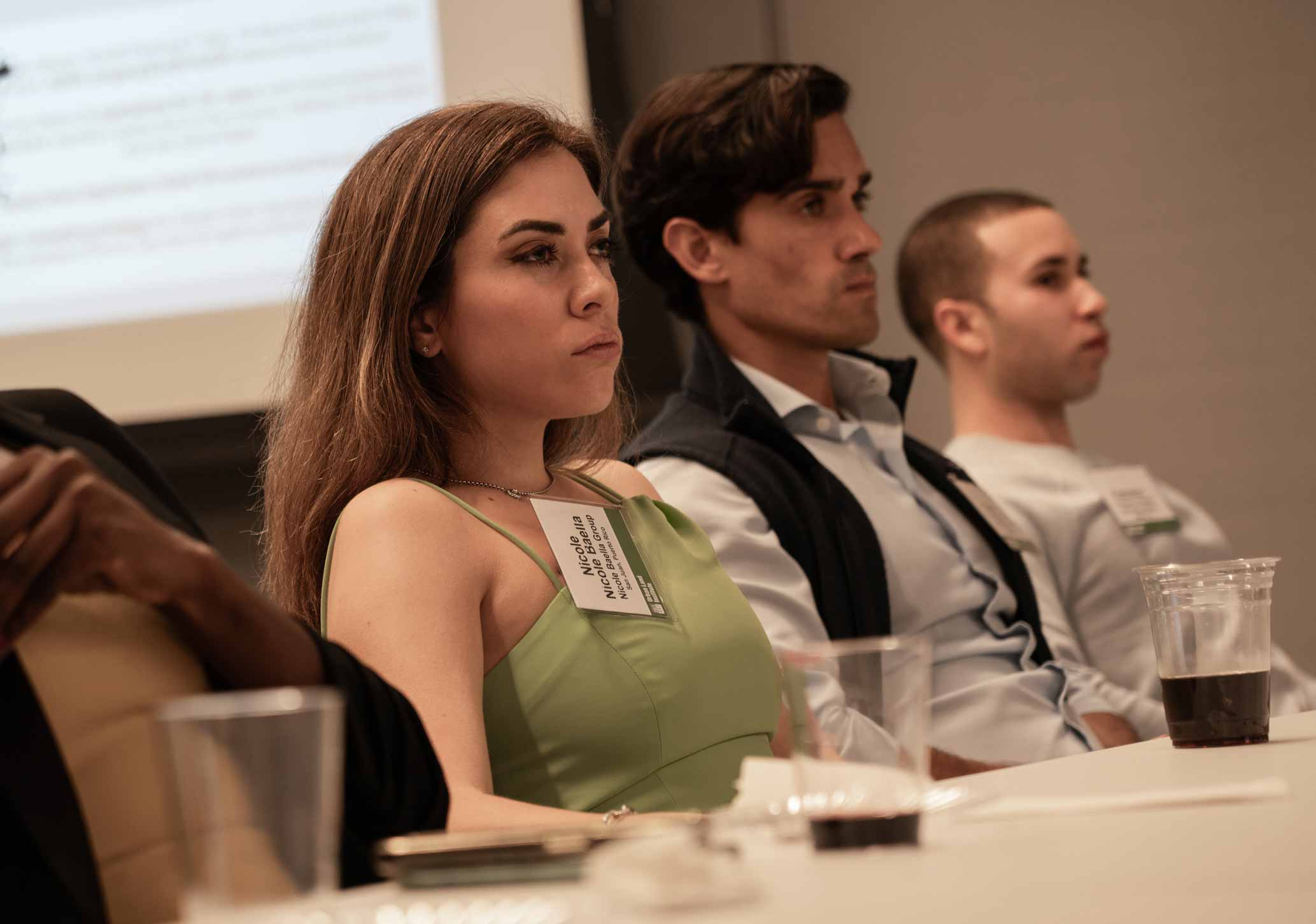
ULI Roundtable "Branded Residences: Leveraging Big Brands for Higher NOI in Caribbean Resorts."

Beyond the Name: Why Branded Residences Are Transforming Caribbean Hospitality

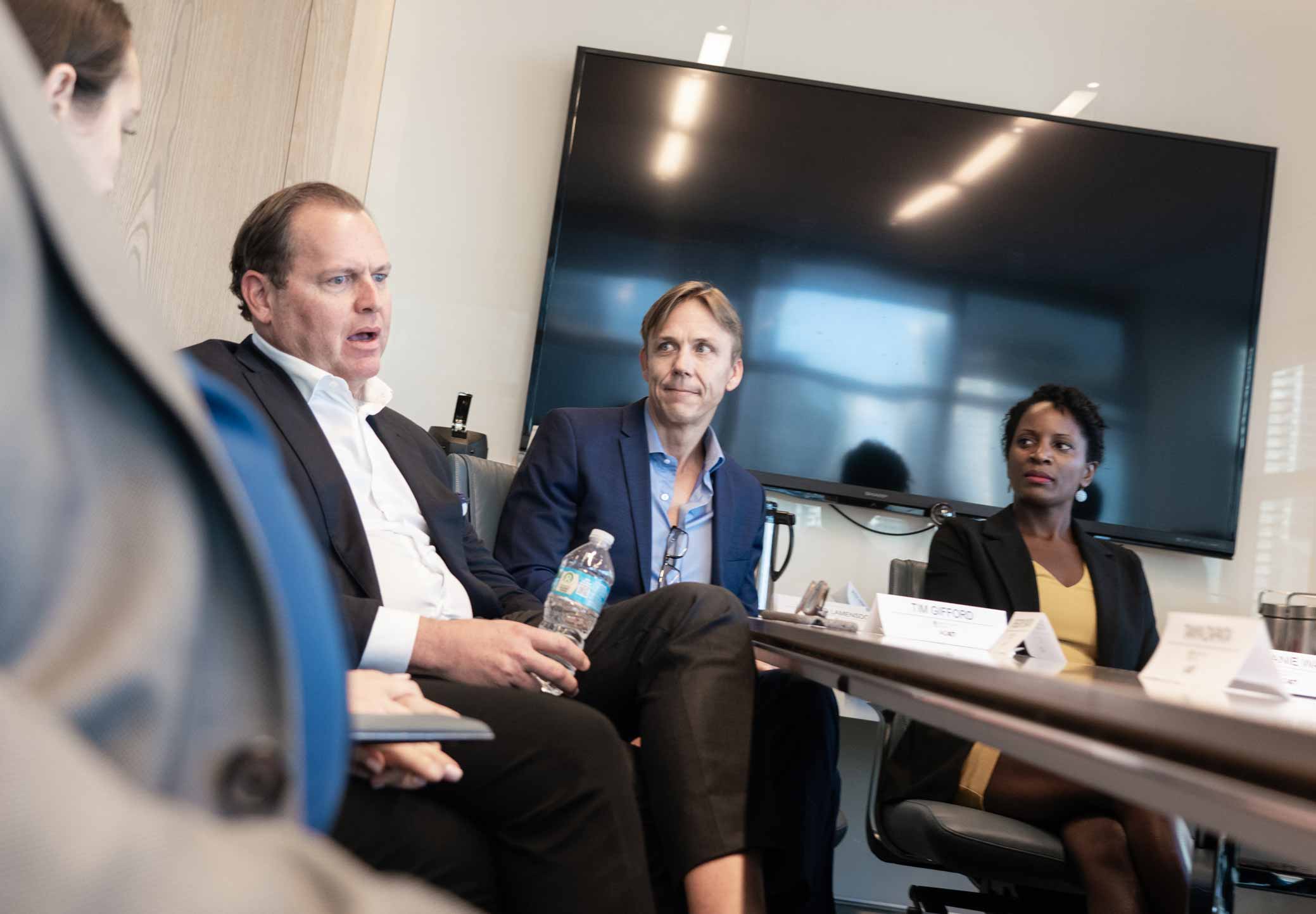
As part of AG&T’s ongoing collaboration with the Urban Land Institute (ULI) Southeast Florida/Caribbean, we were pleased to host a ULI Roundtable exploring one of the most dynamic sectors in luxury real estate: Branded Residences – Leveraging Global Brands for Higher NOI in Caribbean Resorts.

The discussion brought together an exceptional panel of industry leaders representing development, hospitality, branding, and investment, including Kenneth Blatt, Principal and Managing Partner of CPG Real Estate; Stephanie Wade, Vice President of Urban Land Institute (ULI); Kevin Davenport, Senior Vice President of Swire Properties; and Adam Greenfader, Chairman of AG&T, who moderated the discussion.

Together, the panel examined why branded residences have become one of the fastest-growing segments of the global hospitality industry and why leading developers continue to partner with internationally recognized hotel and lifestyle brands. Beyond creating a marketing advantage, the conversation explored how the right brand can command meaningful price premiums, accelerate sales, improve financing opportunities, enhance operational performance, and ultimately create stronger long-term value for both owners and investors.

The discussion also explored a more fundamental question: What are buyers really paying for? Increasingly, the answer extends far beyond the name on the building. Today’s luxury buyers are investing in curated experiences, world-class service, wellness, security, programming, and a sense of community that transforms a residence into a lifestyle. As the Caribbean continues to attract global capital and discerning buyers, branded residences are redefining the intersection of hospitality and real estate—and setting a new benchmark for luxury resort development.

The Brand Premium

Over the past two decades, one of the most significant innovations in luxury real estate has not been a new building technology or financing structure.

It has been the emergence of branded residences.

Once viewed as a niche product attached to a handful of luxury hotels, branded residences have evolved into one of the fastest-growing segments of global real estate. Today, nearly every major luxury hospitality company—including Four Seasons Hotels and Resorts, Ritz-Carlton, Aman, Rosewood Hotels & Resorts, and Six Senses—is expanding its branded residential platform.

Why?

Because the market has demonstrated that buyers are willing to pay a meaningful premium for exceptional brands that deliver an elevated lifestyle, consistent service, and long-term value.

The conversation is no longer simply about selling luxury condominiums.

It is about selling trust.

One of the most frequently asked questions by developers is simple:

Does a brand justify its cost?

The answer, increasingly, is yes.

Numerous industry studies have shown that branded residences often command sales premiums ranging from 20% to more than 40%, depending upon the location, the brand, and the overall quality of the project. In exceptional destinations, premiums can be even higher.

The financial benefits extend well beyond initial sales.

Developers often experience:

  • Faster absorption.

  • Higher average sales prices.

  • Greater international buyer recognition.

  • Improved financing opportunities.

  • Enhanced marketing reach.

  • Stronger resale values.

  • Increased rental demand.

  • Greater long-term asset appreciation.

For lenders and institutional investors, strong hospitality brands also reduce perceived execution risk by bringing proven operational expertise, global reservation systems, and internationally recognized service standards.

The brand becomes an important component of the capital stack itself.

The Dorado Beach Transformation

Few projects illustrate this evolution better than Dorado Beach, a Ritz-Carlton Reserve.

Originally developed by Laurance Rockefeller in the 1950s as one of the Caribbean’s premier resort destinations, Dorado Beach had, over time, lost some of its competitive positioning as hospitality trends evolved.

Its transformation into a Ritz-Carlton Reserve represented far more than a hotel renovation.

It was a complete repositioning of the destination.

The redevelopment embraced a philosophy of lower density, larger residences, environmental stewardship, exceptional culinary programming, personalized service, wellness, and a deep respect for the property’s natural landscape and Rockefeller’s original vision.

The result has been extraordinary.

Today, Dorado Beach consistently ranks among the most prestigious resort communities in the Caribbean. Luxury residences command some of the highest prices per square foot in Puerto Rico, while the resort has become an international benchmark for ultra-luxury hospitality.

The lesson is important. The value was not created simply because a global brand was added to the entrance sign. The value was created because every aspect of the guest and owner experience, from architecture and landscaping to service, programming, privacy, and operations—was aligned with the promise of that brand.

The brand became the visible expression of a much deeper commitment to quality.


Hospitality as a Lifestyle

Today’s buyers are no longer purchasing only a residence.

They are purchasing access to an entire ecosystem.

  1. Concierge services.
  2. Wellness programming.
  3. Michelin-caliber dining.
  4. Private beach clubs.
  5. Spa experiences.
  6. Children’s activities.
  7. Security.
  8. Property management.
  9. Rental management.
  10. Global travel privileges.
  11. Community.

For many owners, these lifestyle benefits are just as valuable as the physical residence itself.

Hospitality has become residential real estate’s greatest amenity.

Building Better Projects

One of the most interesting outcomes of the branded residence model is that it often improves the overall quality of development.

International hospitality brands impose rigorous standards across architecture, interior design, sustainability, operations, landscaping, technology, food and beverage, and guest services.

Developers are challenged to think beyond individual buildings and instead create complete destinations.

This frequently results in stronger master planning, higher-quality public spaces, more resilient operations, and greater long-term value for both owners and investors.

In many respects, the brand serves as a quality-control mechanism throughout the development process.

The Caribbean Opportunity

Few regions are better positioned for branded residential growth than the Caribbean.

The region offers extraordinary natural beauty, limited beachfront inventory, increasing international air connectivity, strong luxury tourism demand, and growing interest from North American, Latin American, and European buyers seeking lifestyle-oriented investments.

As luxury travelers increasingly combine vacation homes, remote work, wellness, and hospitality experiences, branded residences are becoming one of the defining products of Caribbean real estate.

For developers, the challenge is no longer whether to pursue a brand.

It is selecting the right brand, designing an authentic experience around it, and ensuring that every promise made during the sales process is ultimately delivered.

AG&T’s Perspective

At AG&T, we believe the most successful branded residence developments begin long before a management agreement is signed.

They begin with a clear vision of place.

The strongest brands do not create value on their own.

They amplify value that already exists through exceptional locations, thoughtful master planning, resilient design, outstanding architecture, disciplined operations, and unforgettable hospitality.

When those elements come together, the premium is not simply reflected in higher sales prices.

It is reflected in stronger financial performance, greater owner satisfaction, increased investor confidence, and destinations that continue to appreciate in value long after construction is complete.

That is the true power of a brand.

It is not the name.

It is the experience the name promises—and consistently delivers.

Pitching Caribbean Capital: Creating a Marketplace for Caribbean Investment

Pitching Caribbean Capital: Creating a Marketplace for Caribbean Investment

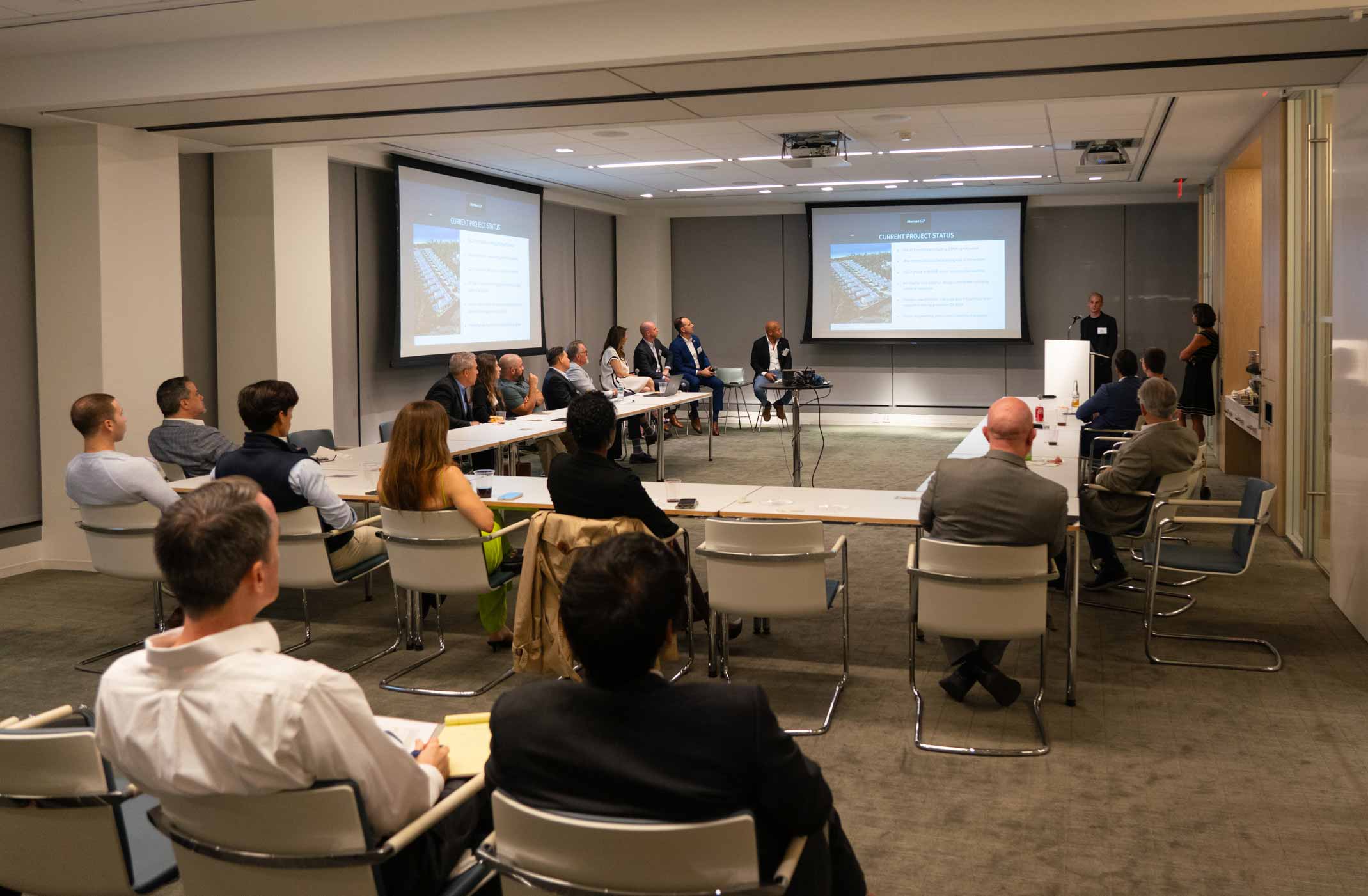
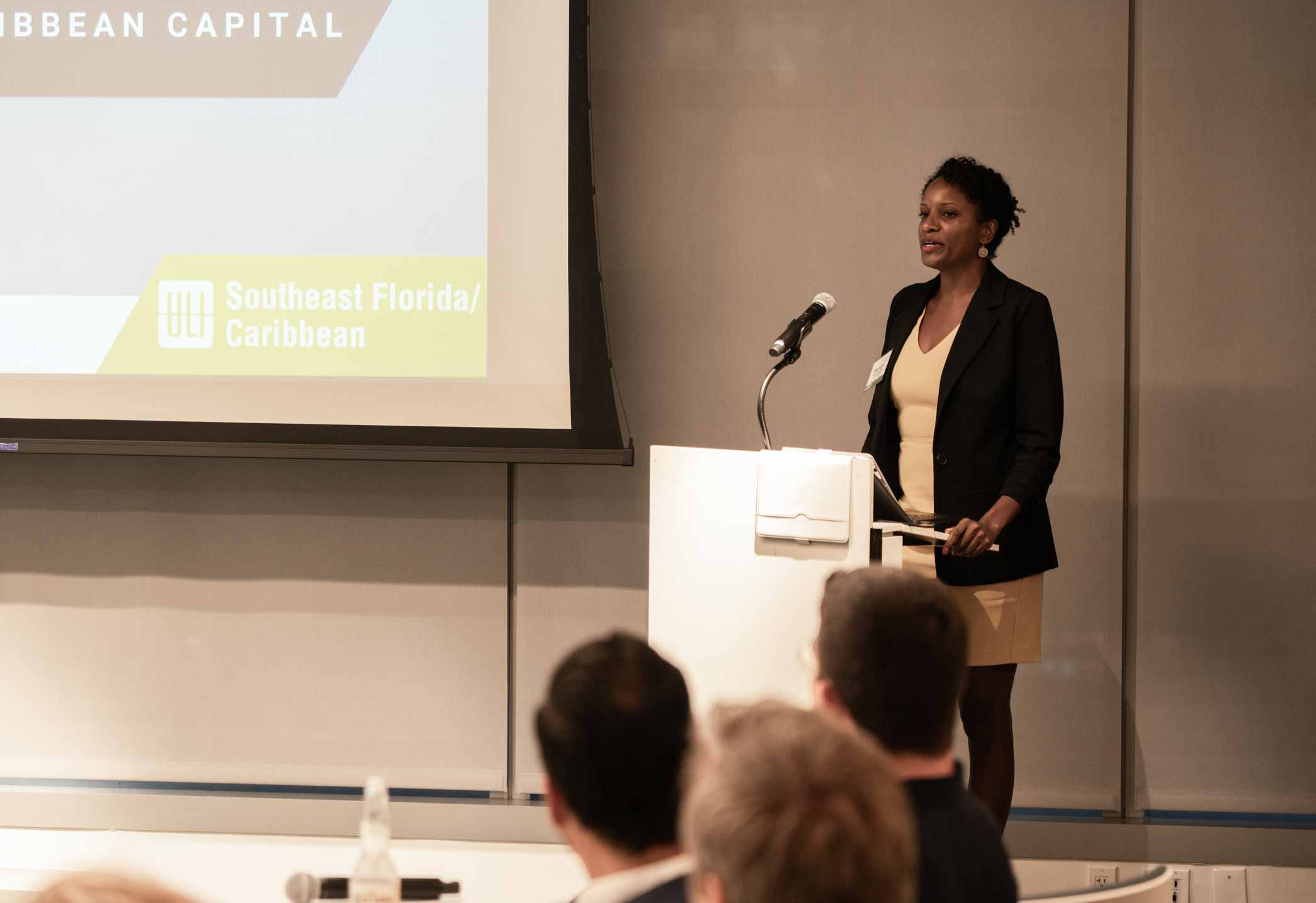
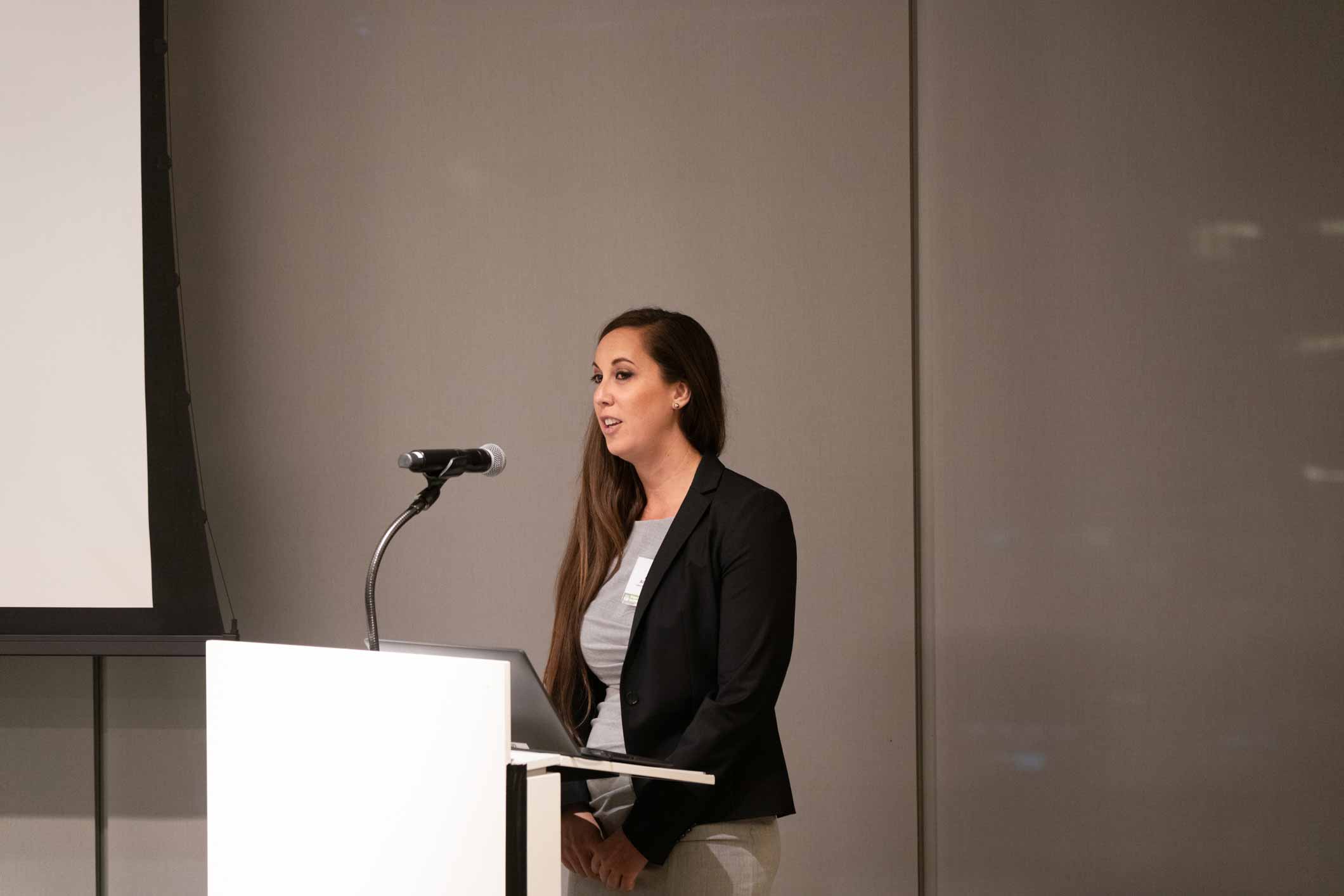
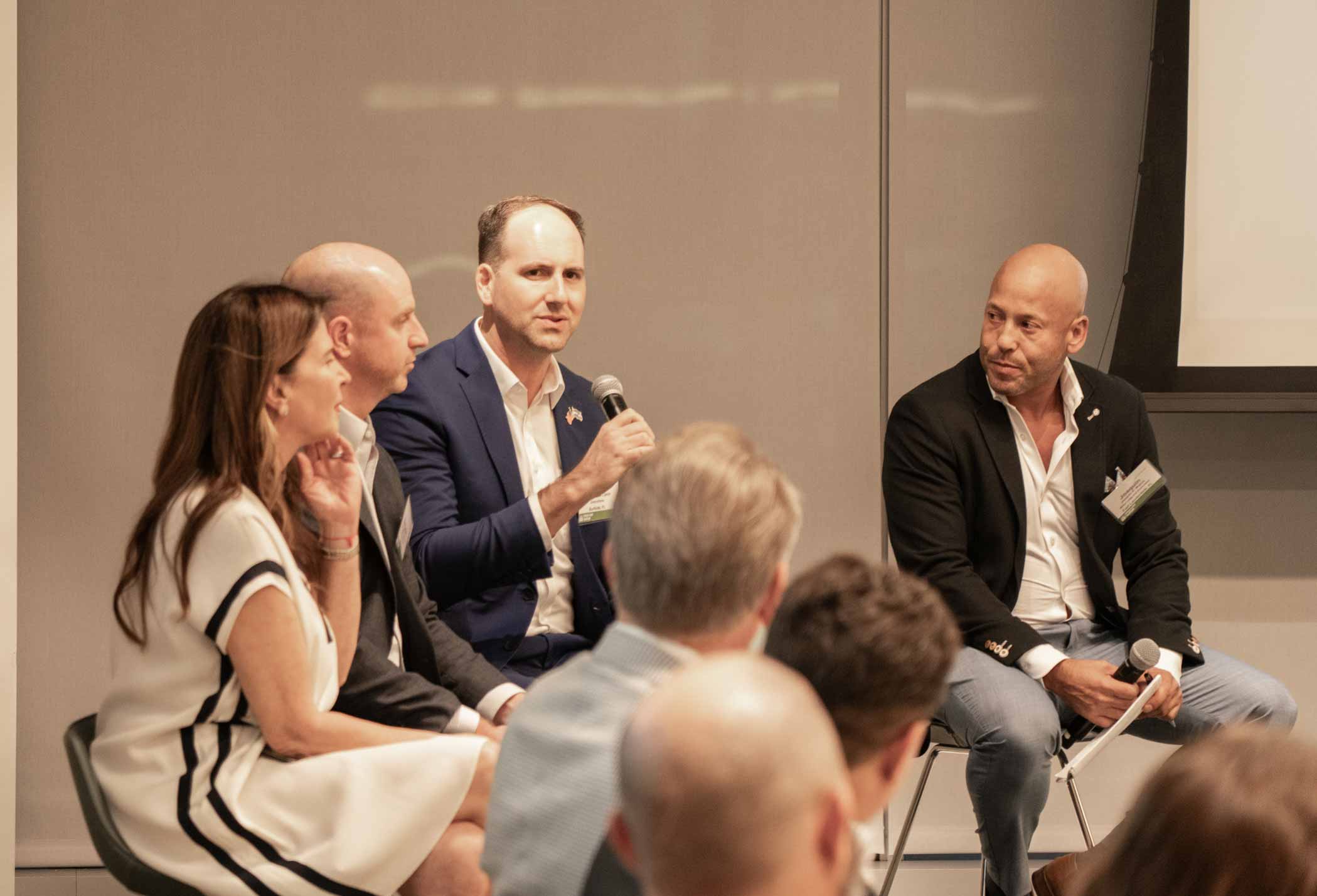
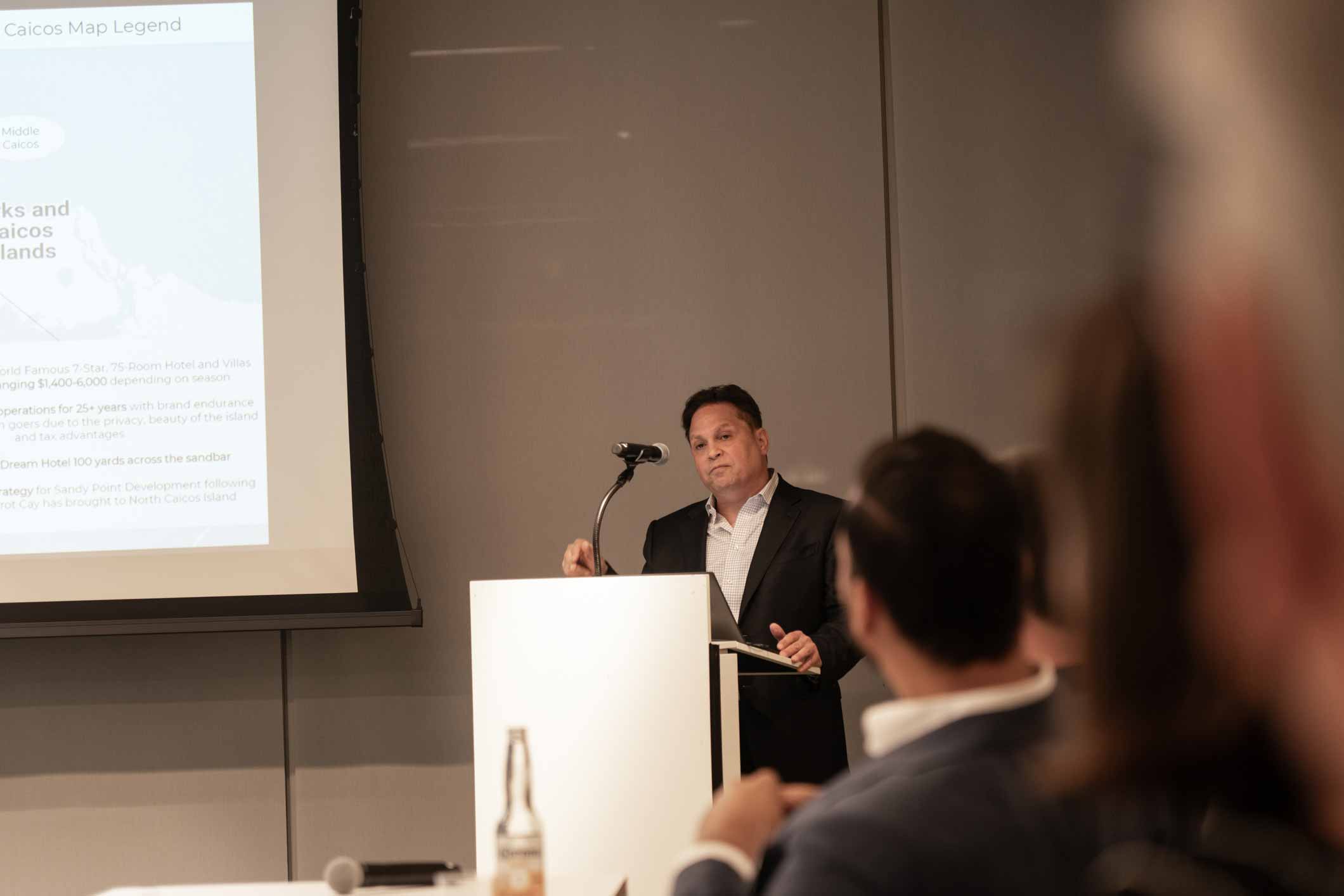
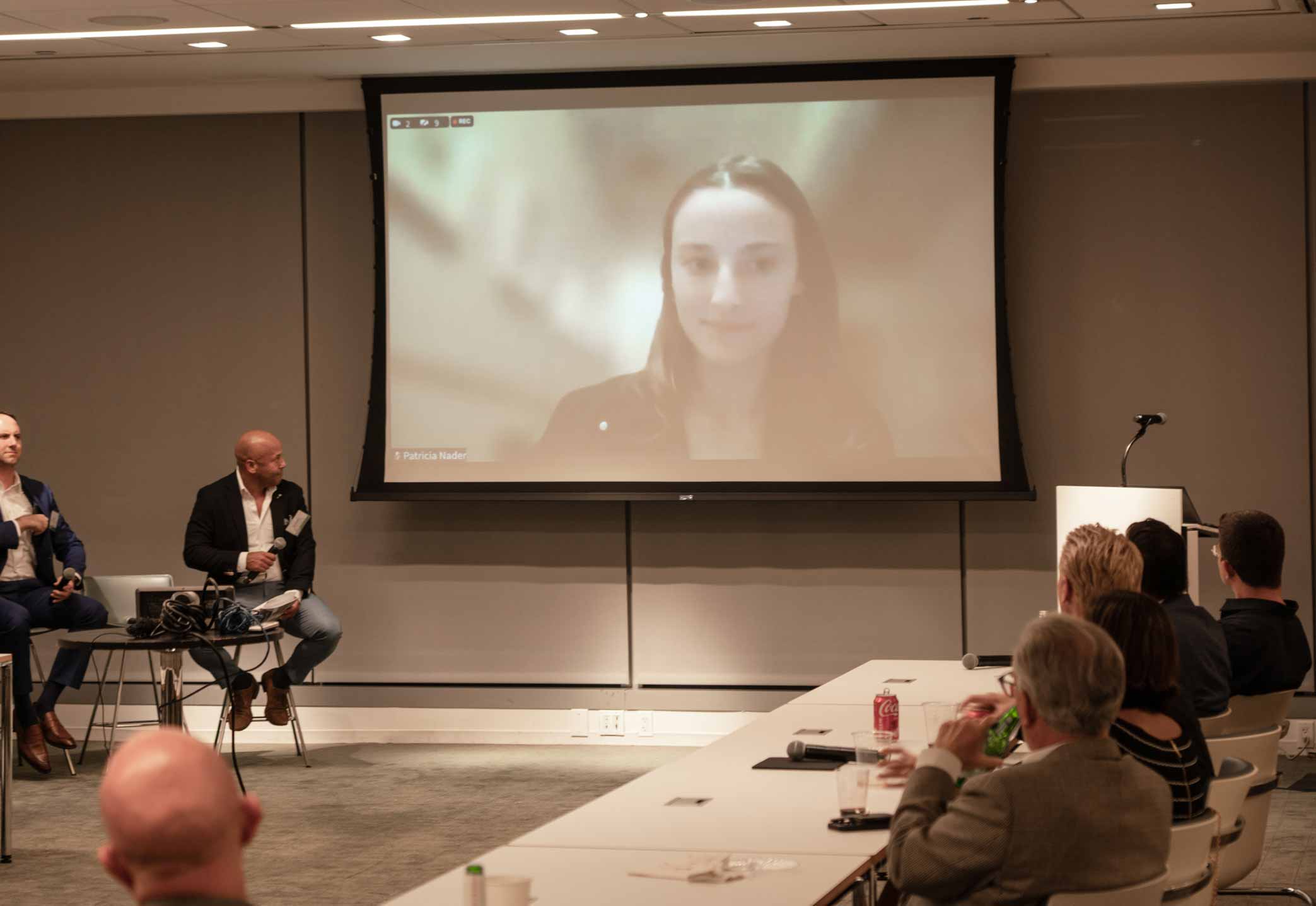
Bringing together developers and capital has always been central to AG&T’s mission. Through ULI Southeast Florida/Caribbean, Pitching Caribbean Capital was created as a Shark Tank-style forum where promising Caribbean developments are presented before experienced investors, lenders, and industry experts, fostering collaboration, constructive feedback, and new investment opportunities across the region.

More than a competition, the program was created to foster meaningful dialogue between developers and the capital markets. Participants received valuable feedback from experienced professionals in finance, development, construction, sustainability, and investment, helping refine both their projects and their investment strategies.


The Caribbean is home to extraordinary development opportunities, yet one of the region’s greatest challenges remains connecting visionary projects with experienced investors, lenders, and strategic partners.

The 2023 forum featured two outstanding development opportunities:

  • Sandy Point, Turks & Caicos, presented by Brad Lamensdorf, highlighting the continued strength of luxury resort and residential investment in one of the Caribbean’s premier destinations.

  • Town Center at Palmas del Mar, Puerto Rico, presented by Andrew Carlson and Nathan Whigham, illustrating the evolution of one of Puerto Rico’s most successful master-planned communities.

An accomplished panel of industry experts evaluated each presentation, offering thoughtful perspectives on market positioning, project feasibility, capital structure, sustainability, and long-term execution. The discussions demonstrated the value of bringing together professionals with diverse backgrounds and decades of real estate experience.

The success of the event reflected something even more important than the projects themselves: the growing collaboration taking place across the Caribbean real estate community. Developers, investors, consultants, attorneys, engineers, and public-sector leaders are increasingly working together to share knowledge, strengthen relationships, and expand access to capital throughout the region.

AG&T is proud to have helped establish a platform that encourages these conversations. Throughout our more than 35 years advising clients across the Caribbean, we have found that successful projects are built not only on strong fundamentals, but also on trusted relationships and informed collaboration.

We extend our sincere appreciation to Akerman LLP for hosting the event, our distinguished panelists for sharing their expertise, and the many volunteers and ULI leaders whose dedication made the program possible.

As a longtime leader within the Urban Land Institute, AG&T remains committed to advancing responsible development, promoting regional collaboration, and helping connect exceptional Caribbean projects with the people and capital needed to bring them to life.

Resilience by Design: Lessons from Florida’s Most Sustainable Community

Resilience by Design: Lessons from Florida's Most Sustainable Community

Conversation with Amanda Staerker

2 Videos

Resilience by Design: Lessons from Florida’s Most Sustainable Community

As climate-related events become more frequent and more costly, resilience has evolved from an environmental aspiration into a financial imperative.

For developers, investors, lenders, insurers, and public officials, the question is no longer whether to build resiliently—it is how quickly resilient design can become the new standard.

Few places illustrate this transformation better than Babcock Ranch in southwest Florida.

Often recognized as America’s first solar-powered town, Babcock Ranch is much more than a sustainability success story. It is a real-world demonstration that resilient planning, thoughtful engineering, and environmental stewardship can protect lives, preserve property values, and create stronger long-term investment returns.

The stakes could not be higher.

Nearly 80 percent of Florida’s 22 million residents live within 10 miles of the coastline, making the state one of the world’s most climate-exposed real estate markets. Hurricanes continue to increase both in frequency and financial impact. Hurricane Ian alone caused an estimated $84 billion in damages, making it one of the costliest natural disasters in U.S. history.

As existing infrastructure ages and population growth accelerates across coastal regions, communities can no longer afford to rebuild using yesterday’s standards.

They must design for tomorrow’s realities.

Expected to house more than 50,000 residents at full buildout, Babcock Ranch has attracted worldwide attention not simply because of its approximately 800-acre solar energy installation, but because of how it performed when tested under real-world conditions.

When Hurricane Ian struck southwest Florida in September 2022 with sustained winds exceeding 100 miles per hour, the community emerged largely intact. Homes experienced minimal damage, underground utilities remained operational, residents were able to shelter safely in place, and the town even provided refuge for neighboring communities affected by the storm.

That level of performance was no accident.

It resulted from decades of intentional planning.

Recently, I had the opportunity to visit Babcock Ranch alongside Amanda Staerker, one of the project’s early land planners. Walking the community reinforced an important lesson: resilience is not created by a single technology or building material. It is the product of thousands of interconnected planning decisions.

From the outset, the development incorporated Florida Green Building standards, underground utility infrastructure, native landscaping, extensive stormwater management, preserved wetlands, and a master plan that works with the natural environment rather than against it.

Perhaps most importantly, Babcock Ranch demonstrates that sustainability and economics are not competing objectives.

They reinforce one another.

Resilient communities experience less physical damage, shorter business interruptions, lower long-term maintenance costs, greater insurance confidence, stronger investor interest, and higher long-term asset values. For developers, resilience is increasingly becoming one of the strongest drivers of financial performance.

As Syd Kitson, CEO of Babcock Ranch, observed in a recent Urban Land Institute article:

“Storm safety was absolutely at the top of our list… How could we convince people they could shelter in place? We knew if we did it right from the beginning, we could prove they could.”

That philosophy offers valuable lessons well beyond Florida.

Across the Caribbean, coastal communities face many of the same challenges: stronger storms, rising insurance costs, aging infrastructure, and growing demand for sustainable development. The principles demonstrated at Babcock Ranch—working with natural systems, preserving ecological assets, investing in resilient infrastructure, and planning for long-term adaptation—are directly applicable throughout the region.

At AG&T, we believe the future of real estate development lies at the intersection of resilience, sustainability, hospitality, and sound economics.

Building resilient communities is no longer simply about reducing environmental impact.

It is about protecting investments, strengthening local economies, preserving communities, and creating places capable of thriving for generations.

Resilience is no longer a feature.

It is the foundation of responsible development.