State of the Caribbean Hospitality Market: Capital Markets, Lending, and the Road to Recovery

State of the Caribbean Hospitality Market: Capital Markets, Lending, and the Road to Recovery

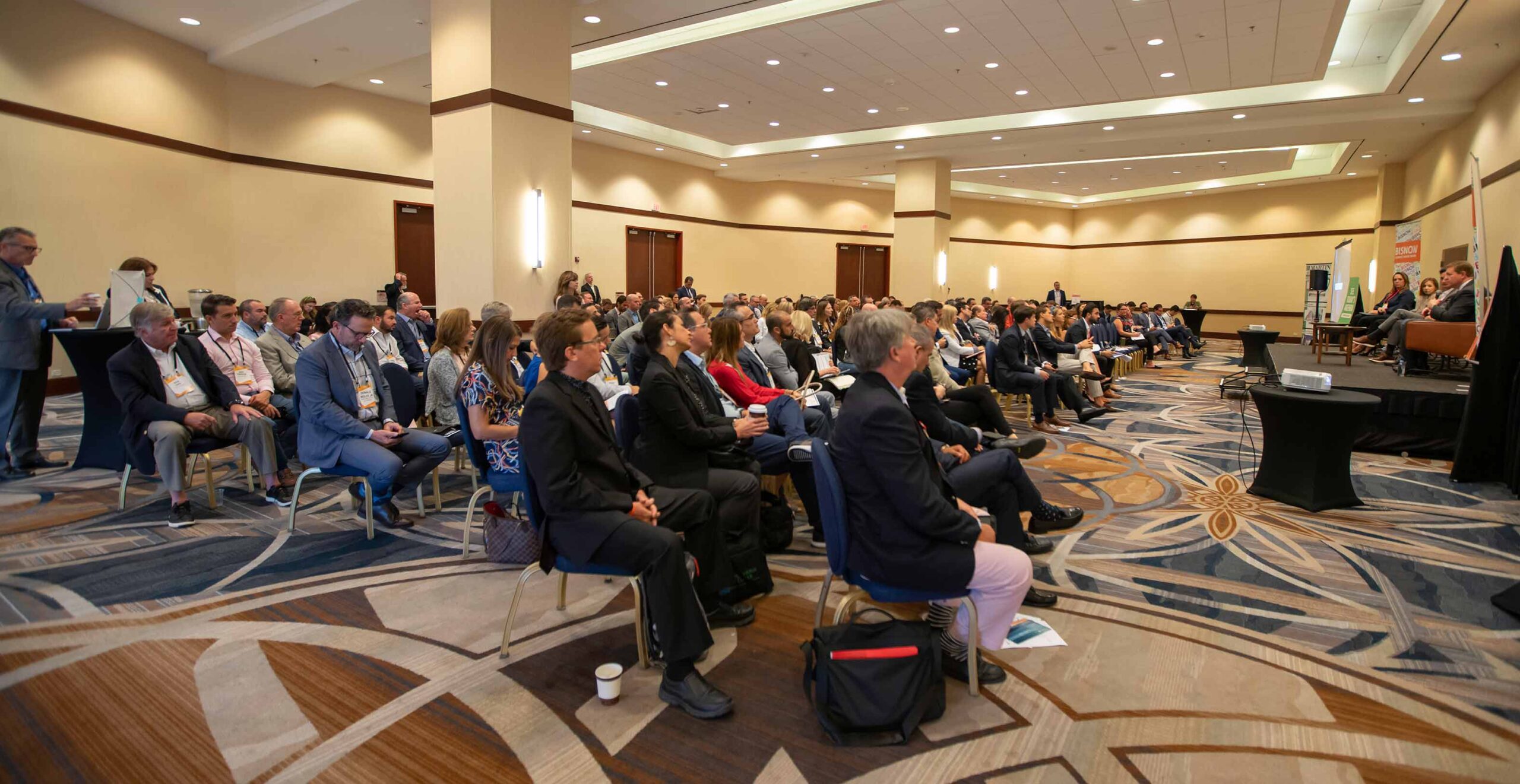
On March 16, 2021, at a time when much of the global hospitality industry remained in crisis, the Urban Land Institute Caribbean Council convened one of its most comprehensive discussions on the future of Caribbean tourism and hotel investment.

The webinar, “State of the Caribbean Marketplace,” brought together an exceptional panel of leaders representing institutional lending, development finance, hotel brokerage, destination marketing, and investment to examine the unprecedented challenges facing the hospitality sector and, more importantly, how the industry could emerge stronger.

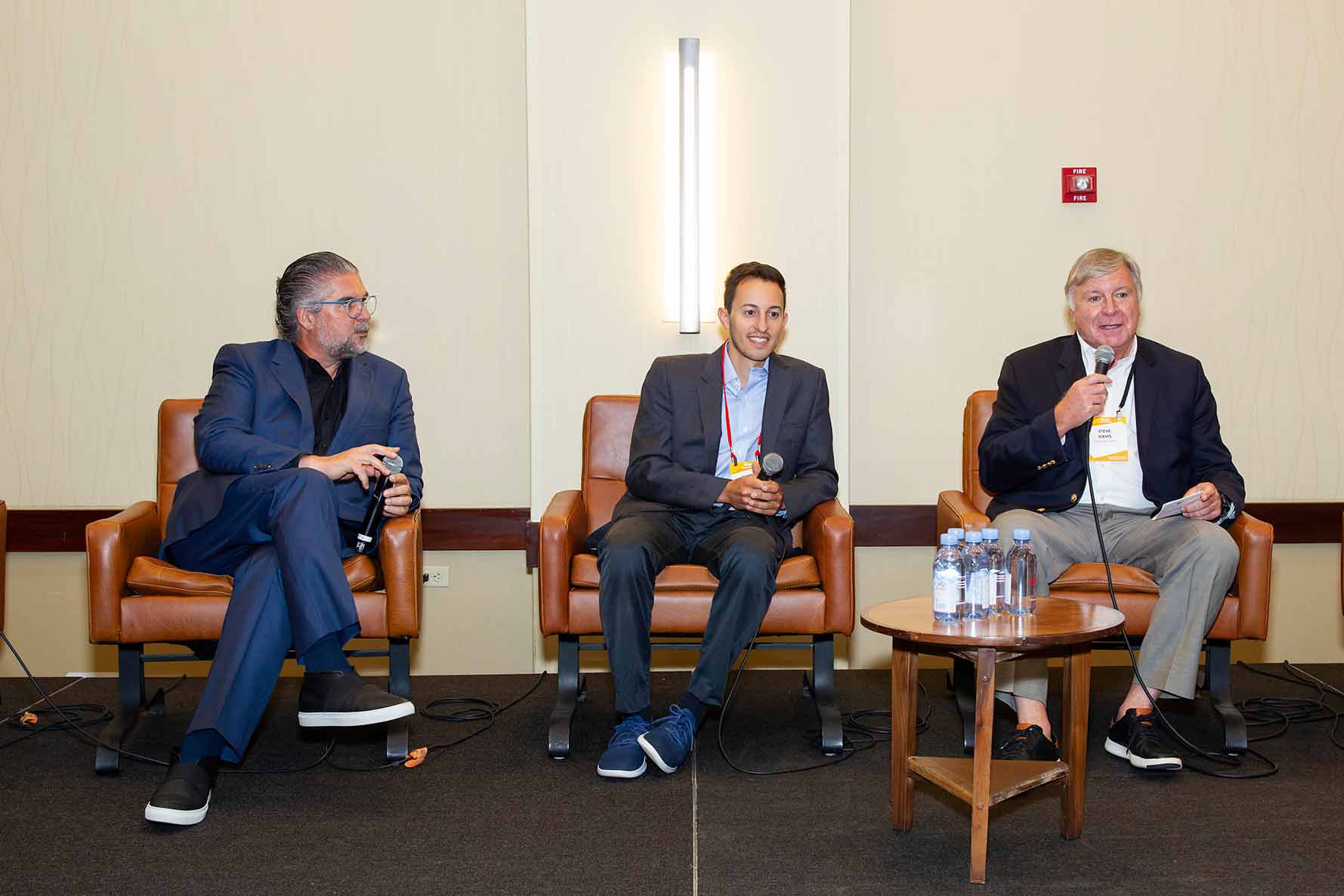
Moderated by Adam Greenfader, Managing Partner of AG&T and Chair of the ULI Caribbean Council, the discussion featured:

  • Juan Corvinas Solans, Managing Director, Head of International Hotel Finance

  • Rogerio Basso, Head of Tourism, IDB Invest

  • Alexandra Lalos, hospitality investment professional

  • Christian Charre, Senior Vice President, CBRE Hotels

  • Brad Dean, CEO, Discover Puerto Rico

Rather than focusing solely on the immediate effects of COVID-19, the panel explored the deeper structural changes taking place across the hospitality industry and capital markets. The discussion provided valuable insights into lender responsibilities, investor behavior, hotel valuations, operational resilience, and the future of Caribbean tourism.

A Crisis Unlike Any Other

One of the central themes of the conversation was why COVID-19 differed fundamentally from the Global Financial Crisis of 2008–2009.

While both crises placed tremendous pressure on the hospitality industry, their underlying causes—and therefore the appropriate responses—were entirely different.

The Global Financial Crisis originated within the financial system itself. Excessive leverage, declining real estate values, and failures in the banking sector led to a widespread credit contraction. Liquidity evaporated, financing became scarce, and many otherwise viable projects were unable to refinance their debt. Banks faced solvency concerns, and distressed asset sales became commonplace as lenders worked through troubled portfolios.

COVID-19 presented an entirely different challenge.

Hotels did not fail because of poor underwriting or excessive leverage. In many cases, they entered 2020 with healthy balance sheets, strong occupancies, and positive cash flow. Instead, the pandemic abruptly halted global travel through government-imposed restrictions and public health measures. Demand disappeared almost overnight, not because travelers had lost interest in tourism, but because they simply could not travel.

This distinction fundamentally changed the role of financial institutions.

The Responsibility of Lenders During Extraordinary Times

One of the most compelling discussions centered on the responsibilities of lenders during a crisis that was not caused by borrowers.

Panelists emphasized that traditional loan enforcement strategies would not serve either lenders or borrowers under these unprecedented circumstances.

Instead, many financial institutions adopted a collaborative approach that focused on preserving long-term asset value rather than maximizing short-term recoveries.

Throughout the Caribbean and internationally, lenders worked closely with hotel owners to provide temporary payment deferrals, covenant waivers, loan modifications, maturity extensions, and other restructuring solutions designed to bridge the industry through the temporary disruption.

This represented a significant evolution in lender philosophy.

Rather than forcing widespread foreclosures, financial institutions recognized that preserving high-quality hospitality assets would ultimately benefit borrowers, lenders, investors, employees, and local economies alike.

The discussion highlighted an important lesson from the Global Financial Crisis: unnecessary liquidations often destroy long-term value. In contrast, patience and partnership can preserve both businesses and communities during periods of extraordinary uncertainty.

Capital Never Left the Market

Another important takeaway was that while travel had stopped, investment capital had not.

Institutional investors, private equity firms, family offices, sovereign wealth funds, and hospitality-focused lenders continued to study the market throughout the pandemic.

Many viewed the crisis as a temporary interruption rather than a permanent impairment of Caribbean tourism.

The panel discussed how sophisticated investors were actively preparing for recovery by evaluating acquisition opportunities, recapitalizations, refinancing transactions, and development sites well before travel resumed.

This confidence reflected the industry’s belief that the Caribbean’s long-term fundamentals remained intact:

  • World-class tourism destinations

  • Limited beachfront supply

  • Strong luxury demand

  • Growing interest in wellness and experiential travel

  • Continued expansion by international hotel brands

  • Attractive long-term demographic trends

As history has shown, many of these investors were well positioned to participate in one of the strongest tourism recoveries in the world.

The Evolution of Hotel Finance

The conversation also explored how financing structures were evolving.

Lenders increasingly emphasized sponsor quality, operational expertise, liquidity, and business continuity planning alongside traditional underwriting metrics.

Hotel operators were expected to demonstrate greater flexibility in managing costs, staffing, technology adoption, and guest experience.

Developers likewise began integrating resilient design, sustainability, wellness amenities, and mixed-use programming into new projects, recognizing that these features would become increasingly important to both guests and capital providers.

The pandemic accelerated trends that were already reshaping hospitality finance.

A More Sophisticated Investment Environment

Rogerio Basso provided valuable insights into the role of development finance institutions in supporting tourism throughout Latin America and the Caribbean.

Unlike traditional commercial lenders, multilateral development banks often provide patient capital that can continue flowing during periods of market uncertainty. Their participation not only supplies financing but also reinforces investor confidence, promotes sustainable development, and encourages higher environmental and governance standards.

Christian Charre shared perspectives from the hotel transaction market, illustrating how valuation methodologies were adapting in response to temporary operating disruptions. Rather than relying solely on current cash flow, investors increasingly focused on normalized performance and long-term replacement value.

Brad Dean discussed the remarkable resilience of travel demand and emphasized that tourism remained one of the world’s most powerful economic engines. While the pandemic temporarily interrupted mobility, the human desire to travel, connect, and experience new destinations remained fundamentally unchanged.

Looking Back

Several years later, many of the observations shared during this discussion proved remarkably accurate.

The Caribbean experienced one of the fastest tourism recoveries globally. Hotel occupancies rebounded, average daily rates reached record levels in many destinations, institutional investment returned, branded residences flourished, and major international hotel companies accelerated expansion throughout the region.

Perhaps most importantly, the industry demonstrated that collaboration among lenders, investors, operators, governments, and development institutions could preserve long-term value even during periods of extraordinary disruption.

AG&T’s Commitment to Caribbean Thought Leadership

The State of the Caribbean Marketplace webinar reflected AG&T’s broader commitment to advancing meaningful conversations about the future of Caribbean real estate and hospitality.

Through its leadership within the Urban Land Institute Caribbean Council, collaborations with industry organizations, and partnerships with public and private sector leaders, AG&T has consistently created forums where investors, lenders, developers, hotel operators, policymakers, and academics can exchange ideas and shape the future of the region.

The conversation was never simply about surviving the pandemic.

It was about understanding how crises reshape industries, how responsible lending preserves markets, and how thoughtful leadership can position Caribbean hospitality not merely for recovery, but for long-term growth.

The lessons remain just as relevant today. Strong destinations are built not only through exceptional hotels and visionary developments, but through resilient financial systems, collaborative partnerships, and leaders willing to think beyond the next business cycle.


Could this be the year for Puerto Rico?

Adam Greenfader


Could this be the year for Puerto Rico?


It had been almost 12 months since my last visit to Puerto Rico. Thanks to the COVID lockdown expectations were low. The last time I visited, more than 2 years after hurricanes Irma and Maria, the devastation was still overwhelming.  Streets were lined with garbage, electrical lines in disrepair, and thousands of homes had roofs covered in blue tarps. This combined with more than ten years of economic recession made has made Puerto Rico extremely pessimistic. As I landed in Luis Munoz Marin Airport, I was thinking,  “Would the ensuing earthquakes and COVID pandemic ravage the economy even more…”


I travelled the entire island from coast to coast –  100 x 35 miles, in a two week period. I drove from San Juan to Aguadilla, Mayaguez, Ponce, Humacao, Fajardo, and Ocean Park.  The roads were in good condition, the street lights working, and many buildings newly painted.  Notwithstanding the COVID crisis, the economy was bustling.  Most palpable was the positive attitude and feeling of the people. I spoke with many colleagues and friends and was told that much of the hurricane insurance had circulated through the economy.  The 8-12 billion in Federal relief from CDBG-DR is expected by early 2021.  Homemade signs seeking construction workers can be seen throughout the island that read, “Se Solicita Carpinteros y Albanilles”.

While the tourists were clearly absent ‘en mass’, a handful of new boutique hotels, especially in San Juan, have been recently delivered between 2019-2020. Much of this new hotel activity is due in part to the Tourism Tax Incentive. The tax incentive provides up to 40% of the total project’s cost back to sponsors…incredibly, some of it can be used for funding as part of the initial capital stack.  While this is not common anywhere in the world, Puerto Rico’s is not a typical Caribbean destination. The total economic activity (GDP) in Puerto Rico is less than 7% for all tourism related activities.  This includes, hotels, trades, conventions, excursions, etc..   This is an astonishing low number for an island that is surrounded by warm water, beautiful beaches, and lush landscapes. Read more about why Puerto Rico is like this at: https://agandt.com/contact-why-puerto-rico-now/

These tax incentives combined with a team of dedicated individuals in the Destination Marketing Organization (DMO) –  Discover Puerto Rico and other Public Private Partnerships (Invest Puerto Rico) is helping to make Puerto Rico a thriving tourism destination. The island currently boats some of the top hotels in the Caribbean with ADR’s over $1,500 per night.  Much of this demand is generated by the Act 20/22 (now Act 60).  For the last five years, hundreds of high net worth US individuals have moved to Puerto Rico to take advantage of zero Federal capital gains.  Act 60 has resulted in over 500 families and hundreds of new business moving to Puerto Rico.  There seems to be no end in sight for these new Americans living in Puerto Rico.  

Dorado Beach

This week Puerto Rico also inaugurated for the first time in over 20 years, the same political party. The PNP or US Statehood party won the election with a mandate for political stability, reduced corruption, and closer ties with the United States. While the island’s economic crisis is far from over, the COVID pandemic has put Puerto Rico back in the spotlight for its manufacturing proficiency. The island of Puerto Rico is one of the world’s leading pharmaceutical destinations – producing more than the top 5 US States combined. As thousands of jobs come back to the USA-Puerto Rico, invariably many will end up where the cost of labor is 15% less expensive, and there is a 60 year culture of robust manufacturing.


So is this the year for Puerto Rico?  Strong yes if you are involved with affordable housing, luxury resorts, alternative energy and critical manufacturing.

While we at AG&T do not have the proverbial ‘crystal ball’ on the island’s long term economic growth, things feel like they are on the right track and we will have more clarity with the resolution to the island’s bond crisis, the electrical authority privatization (AEE), and the completion of the responsibilities of The Fiscal Oversight and Managemnt Board for Puerto Rico. 

Returns on Resilience: Why Sustainable Design Has Become One of the Best Investments in Caribbean Hospitality

ULi Speakers

Returns on Resilience: Why Sustainable Design Has Become One of the Best Investments in Caribbean Hospitality

For decades, sustainability was often viewed as an aspirational goal—a desirable feature that enhanced a project’s brand, improved public perception, or satisfied environmental objectives.

Today, that conversation has fundamentally changed.

Across the Caribbean, resilience has evolved from an environmental initiative into one of the most important drivers of long-term financial performance.

Developers, institutional investors, lenders, insurers, hotel operators, and governments increasingly recognize that resilient design is no longer optional. It is becoming a prerequisite for preserving value, attracting capital, reducing operating risk, and ensuring that hospitality assets remain competitive for generations.

At AG&T, we have long believed that the future of Caribbean development lies at the intersection of economics, engineering, hospitality, and environmental stewardship.

That belief inspired one of the Urban Land Institute Caribbean Council’s most forward-looking conversations: Returns on Resilience, bringing together internationally recognized experts from finance, architecture, engineering, and sustainability to examine how resilient design is reshaping real estate investment.

The discussion featured:

  • Jan Raes, Global Sustainability Advisor, ABN AMRO

  • Esteban Biondi, Associate Principal, ATM

  • Koen Olthuis, Co-Founder, Waterstudio.NL

  • Adam Greenfader, Managing Partner, AG&T

Together, the panel explored a fundamental question:

Can resilience create superior investment returns?

The answer was a resounding yes.

Sustainability Has Become a Financial Strategy

Institutional capital has undergone a profound transformation over the past decade.

Major pension funds, sovereign wealth funds, insurance companies, banks, and private equity firms increasingly evaluate climate resilience alongside traditional underwriting metrics such as location, occupancy, and projected cash flow.

Today’s investors ask very different questions:

  • Can this property withstand stronger hurricanes?

  • How will sea level rise affect long-term value?

  • What is the projected cost of insurance over the next twenty years?

  • How resilient are the building systems?

  • Can the project maintain operations following a major storm?

  • Does the development reduce long-term environmental risk?

Increasingly, these answers influence financing decisions, insurance pricing, investment returns, and exit valuations.

Resilience has become a core component of fiduciary responsibility.

The Economics of Resilience

The discussion emphasized that resilient development should not be viewed simply as an added construction expense.

It should be viewed as an investment.

Resilient projects often benefit from:

  • Lower long-term operating costs

  • Reduced insurance premiums

  • Improved access to financing

  • Stronger lender confidence

  • Higher institutional investor interest

  • Faster post-storm recovery

  • Greater asset liquidity

  • Improved guest confidence

  • Longer building life cycles

  • Enhanced long-term property values

For hospitality assets in particular, every day a hotel remains operational after a major storm protects revenue, employees, guest relationships, and brand reputation.

The financial value of remaining open can far exceed the incremental cost of building resiliently from the beginning.

Beyond Green Building

The conversation also challenged a common misconception.

Sustainability is not simply about achieving certifications or incorporating environmentally friendly materials.

True resilience requires a comprehensive approach that integrates architecture, engineering, infrastructure, energy systems, coastal protection, water management, emergency planning, and long-term operational strategy.

Developments must be designed not only to survive future climate events—but to continue operating through them.

That shift represents a new philosophy for Caribbean development.

Rather than designing for average conditions, projects must increasingly be designed for future conditions.

Learning from the Dutch

Perhaps one of the most fascinating discussions centered on aquatic architecture and the remarkable experience of the Netherlands.

For more than a thousand years, the Dutch have lived with water rather than attempting to conquer it.

Long before climate resilience became a global priority, Dutch engineers, planners, and architects developed sophisticated strategies for flood management, floating communities, adaptive infrastructure, and integrated water systems.

Companies such as Waterstudio.NL have transformed centuries of accumulated knowledge into innovative approaches that are now being implemented around the world.

For island nations throughout the Caribbean, these lessons are becoming increasingly relevant.

As sea levels rise and coastal environments evolve, the question is no longer whether architecture should respond to water.

It is how quickly we are prepared to embrace that reality.

Aquatic architecture is not science fiction.

It represents an evolution in urban planning that includes floating homes, floating hotels, adaptive marinas, amphibious structures, floating public spaces, and waterfront communities designed to work in harmony with changing environmental conditions.

For the Caribbean, where coastlines define both our identity and our economy, these ideas deserve serious consideration.

Hospitality’s Next Competitive Advantage

Hospitality has always depended upon extraordinary locations.

Many of the world’s finest resorts occupy beaches, bays, lagoons, and waterfronts that also happen to be among the most environmentally vulnerable landscapes on earth.

Protecting these destinations requires more than stronger buildings.

It requires integrated planning that combines resilient architecture, renewable energy, advanced water management, nature-based coastal defenses, intelligent infrastructure, and thoughtful master planning.

The most successful hospitality destinations of the future will likely be those that embrace resilience not as a regulatory requirement, but as a defining competitive advantage.

Guests increasingly value destinations that demonstrate environmental leadership.

Investors increasingly reward projects that reduce long-term climate risk.

Lenders increasingly recognize resilience as an indicator of stronger underwriting.

Insurance providers increasingly differentiate projects based upon mitigation strategies.

The market is beginning to place a measurable premium on resilience.

AG&T’s Vision for the Caribbean

At AG&T, resilience has never been viewed as a niche topic.

It is central to how we think about Caribbean development.

Throughout our work across Puerto Rico, Sint Maarten, and the wider Caribbean, we continue to advocate for development strategies that combine world-class hospitality with resilient infrastructure, renewable energy, regenerative design, and innovative coastal planning.

Our collaboration with global experts—from Dutch aquatic architects and sustainability advisors to institutional investors and hospitality leaders—reflects our belief that the Caribbean has an opportunity not simply to adapt to climate change, but to become a global laboratory for resilient tourism and coastal development.

The islands have always been defined by their relationship with the sea.

The next generation of Caribbean hospitality will be defined by how intelligently we choose to live with it.

Designing sustainably is no longer about branding.

It is about building stronger businesses, protecting communities, preserving irreplaceable destinations, and creating hospitality assets capable of thriving for generations to come.

For the Caribbean, resilience is no longer simply good environmental policy.

It is good economics.

Caribbean Banking Leadership During the COVID-19 Pandemic

Isabel de Caires

Caribbean Banking Leadership During the COVID-19 Pandemic


During the unprecedented disruption of the COVID-19 pandemic, Caribbean financial institutions faced one of the most significant challenges in their history. With tourism at a standstill, hospitality assets under pressure, and uncertainty across virtually every sector of the regional economy, banks were required to move beyond traditional lending practices and work collaboratively with borrowers to preserve long-term value.

In this exclusive interview, Isabel de Caires of FirstCaribbean International Bank shares how regional lenders responded during the crisis, implementing payment deferrals, restructuring loans, reducing costs, and working alongside clients to help businesses navigate an extraordinary period of uncertainty.

One of the most important lessons from the pandemic was the willingness of Caribbean banks to cooperate—not only with borrowers, but with one another and with governments—to maintain financial stability across the region. That collaborative approach helped many projects survive a period that few could have anticipated.

For AG&T, these conversations reinforced the importance of maintaining strong relationships throughout the Caribbean banking community. Over more than three decades, we have worked closely with regional and international financial institutions, giving our clients valuable insight into evolving lending practices, capital markets, and financing strategies across multiple jurisdictions.

Whether structuring development financing, introducing lending partners, or advising on capital formation, AG&T’s longstanding relationships with Caribbean financial institutions provide clients with access to market intelligence that extends well beyond individual transactions.

Watch the interview with Isabel de Caires to learn how Caribbean banks responded during one of the region’s most challenging periods and how those lessons continue to influence lending and development today.


Hospitality Innovation in Times of Crisis: Lessons from IDB Invest and the Future of Caribbean Tourism

Rogerio Bass

Hospitality Innovation in Times of Crisis: Lessons from IDB Invest and the Future of Caribbean Tourism

Hospitality Innovation in Times of Crisis: Lessons from IDB Invest and the Future of Caribbean Tourism

As the COVID-19 pandemic swept across the globe, few industries were impacted more dramatically than hospitality and tourism. Borders closed, airlines grounded fleets, conferences were canceled, and hotels that once operated at record occupancies suddenly found themselves with little to no demand.

For Latin America and the Caribbean—regions where tourism serves as a critical engine of economic growth, employment, and foreign investment—the implications were profound.

To better understand the challenges facing the industry and the opportunities that could emerge from the crisis, the Urban Land Institute Caribbean Council hosted a conversation between Rogerio Basso, Head of Tourism at IDB Invest, and Adam Greenfader, Chair of the ULI Caribbean Council and Managing Partner of AG&T.

While much of the discussion focused on the immediate impact of the pandemic, the conversation ultimately became a broader examination of innovation, leadership, capital markets, and the future evolution of hotel management throughout Latin America and the Caribbean.

The Tourism Industry Before COVID-19

Before the pandemic, hospitality was experiencing one of the strongest periods in its history.

Global travel demand continued to expand, international tourism arrivals were reaching record levels, and investors remained highly attracted to hospitality assets throughout the Caribbean and Latin America. Major hotel brands were expanding aggressively, new resort developments were under construction, and institutional capital was increasingly targeting hospitality as a long-term growth sector.

Destinations throughout the Caribbean benefited from growing airlift, rising visitor expenditures, and increasing demand for experiential travel, wellness tourism, luxury resorts, and branded residential products.

According to Rogerio Basso, the industry’s fundamentals entering 2020 were exceptionally strong.

What followed was not a traditional economic downturn or cyclical correction. It was a sudden and complete interruption of global mobility.

Why This Crisis Was Different

The hospitality industry has weathered numerous crises over the past several decades, including recessions, geopolitical conflicts, natural disasters, and health emergencies.

COVID-19 was fundamentally different.

Unlike previous downturns that impacted specific regions or market segments, the pandemic affected virtually every tourism destination simultaneously. Hotels were not competing for reduced demand; in many cases, demand simply disappeared.

For owners and operators, the challenge was unprecedented. Revenue declined almost immediately while many fixed costs remained. Management teams were forced to make difficult decisions regarding staffing, operations, capital expenditures, and long-term strategy.

Yet amid the disruption, Rogerio emphasized that hospitality leaders could not simply focus on survival. They also needed to prepare for recovery.

Innovation as a Competitive Advantage

One of the most important themes that emerged during the discussion was the role of innovation in hotel management.

The pandemic accelerated trends that had already begun transforming hospitality, forcing operators to adopt new technologies and rethink traditional business models at a much faster pace.

Hotels across the region began implementing:

  • Contactless check-in and check-out systems

  • Mobile guest communication platforms

  • Digital concierge services

  • Enhanced health and sanitation protocols

  • Flexible staffing models

  • Advanced revenue management systems

  • Data-driven guest personalization

  • Hybrid meeting and conference capabilities

  • Expanded outdoor experiences and wellness programming

Many of these initiatives were initially introduced as crisis-response measures. However, they quickly evolved into permanent operational improvements that enhanced both efficiency and guest satisfaction.

The discussion highlighted an important reality: innovation is often accelerated during periods of disruption.

The hospitality companies that adapted fastest were frequently the ones best positioned to capture demand when travel resumed.

The Evolution of Hotel Management

Perhaps one of the most significant lessons from the pandemic was the changing role of hotel management itself.

Historically, hotel operators focused primarily on maximizing occupancy, controlling expenses, and maintaining service standards. Today’s hospitality leaders must balance a much broader range of responsibilities.

Modern hotel management increasingly requires expertise in:

  • Technology integration

  • Sustainability initiatives

  • Wellness programming

  • Community engagement

The panel discussed how successful operators would need to become more agile, more data-driven, and more responsive to changing guest expectations than ever before.

Hotels are no longer simply places to stay. They are becoming platforms that integrate hospitality, wellness, residential living, experiences, technology, and community.

This transformation is particularly relevant in the Caribbean, where travelers increasingly seek authentic experiences, environmental stewardship, cultural immersion, and personalized service.

The Role of Multilateral Development Banks

A unique aspect of the discussion focused on the role of multilateral development banks (MDBs) in supporting tourism and hospitality during times of crisis.

As Head of Tourism at IDB Invest, Rogerio Basso oversees initiatives that provide financing solutions throughout Latin America and the Caribbean. These include debt, mezzanine financing, equity investments, and other instruments designed to support sustainable development.

Multilateral institutions play a critical role because they often provide patient capital during periods when traditional financing becomes scarce.

Beyond capital, organizations such as IDB Invest contribute technical expertise, environmental standards, governance frameworks, sustainability initiatives, and strategic guidance that strengthen projects over the long term.

The discussion emphasized that recovery would require collaboration among governments, hotel operators, developers, lenders, investors, and development finance institutions.

No single stakeholder could solve the challenges alone.

Three Strategic Actions for Hospitality Leaders

Rogerio outlined several priorities that hospitality companies should consider when navigating periods of uncertainty:

1. Preserve Liquidity

Cash management becomes paramount during periods of disruption. Organizations must maintain financial flexibility to withstand market volatility while preserving their ability to invest when opportunities emerge.

2. Continue Investing in Innovation

The temptation during a crisis is to cut spending across all areas. However, technology, operational improvements, and guest experience enhancements often generate long-term competitive advantages that outlast the crisis itself.

3. Focus on Long-Term Demand Drivers

While short-term conditions may fluctuate, the fundamental drivers of tourism—human connection, exploration, business travel, leisure experiences, and cultural exchange—remain intact.

The strongest organizations maintain a long-term perspective even during periods of uncertainty.

Looking Back: From Crisis to Transformation

Several years later, many of the observations discussed during this ULI Caribbean Conversation proved remarkably accurate.

Tourism throughout the Caribbean and Latin America rebounded faster than many analysts expected. Luxury travel accelerated. Wellness tourism expanded. Branded residences became one of the industry’s fastest-growing segments. Technology adoption increased dramatically. Investors returned to the sector with renewed confidence.

Most importantly, hospitality emerged stronger, more resilient, and more innovative than before.

AG&T’s Commitment to Hospitality Thought Leadership

At AG&T, we believe that some of the most important conversations occur during periods of uncertainty. Throughout the pandemic and beyond, we partnered with the Urban Land Institute Caribbean Council to bring together industry leaders, investors, developers, hotel operators, economists, and policymakers to discuss the future of Caribbean real estate and hospitality.

Our conversation with Rogerio Basso was more than a discussion about crisis management. It was a dialogue about leadership, innovation, and the future of tourism in Latin America and the Caribbean. The lessons remain relevant today.

Hospitality is no longer defined solely by buildings, brands, or locations. It is increasingly defined by adaptability, technology, sustainability, and the ability to create meaningful experiences for guests. As the Caribbean continues its hospitality renaissance, innovation in hotel management will remain one of the most powerful drivers of long-term success. At AG&T, we remain committed to advancing the conversations that help shape that future.

Caribbean Hospitality After COVID: Reimagining Travel for a New Era

Headshot of Brad Dean

Caribbean Hospitality After COVID: Reimagining Travel for a New Era

In the spring of 2020, the global hospitality industry came to an abrupt halt.

Borders closed. Airlines grounded their fleets. Cruise ships sat idle. Hotels that had welcomed guests for generations suddenly stood empty. For a region where tourism represents one of the largest contributors to GDP, employment, and foreign investment, the uncertainty was unlike anything the Caribbean had ever experienced.

While much of the industry focused on managing the immediate crisis, AG&T believed it was equally important to begin asking a different question:

What would Caribbean hospitality look like after COVID?

To help answer that question, AG&T partnered with the Urban Land Institute Caribbean Council to launch a series of thought leadership conversations featuring many of the region’s leading voices in tourism, finance, hospitality, manufacturing, and economic development.

One of the most memorable discussions featured Brad Dean, then CEO of Discover Puerto Rico, Puerto Rico’s Destination Marketing Organization.

Rather than focusing solely on the challenges of the pandemic, the conversation explored how the industry could emerge stronger, more resilient, and better prepared for the future.

Brad Dean offered a perspective that has become increasingly relevant in the years since.

“This downtime gives the travel industry our George Bailey moment. We have all seen that without travel it’s pretty ugly. There is far greater value to travel than most of us ever realized. Travel lifts spirits. It connects people. It leads to progress.”

Those words resonated deeply throughout the Caribbean.

Travel is more than hotel occupancy or airline arrivals. It supports small businesses, restaurants, taxi drivers, artisans, tour operators, construction workers, architects, engineers, farmers, entertainers, and countless entrepreneurs whose livelihoods depend upon a vibrant visitor economy.

The pandemic reminded us that hospitality is not simply an industry—it is an ecosystem.

Creating Dialogue During Uncertainty

Throughout the pandemic, AG&T recognized that one of the greatest needs facing the Caribbean was the exchange of ideas.

As uncertainty grew, we brought together leaders from government, international finance, hospitality, manufacturing, infrastructure, and development to discuss not only recovery, but the long-term future of the region.

These conversations explored topics including:

  • The future of Caribbean hospitality

  • Tourism recovery strategies

  • Public-private partnerships

  • Sustainable destination development

  • Capital markets and investment

  • Resilient infrastructure

  • Manufacturing and supply chains

  • Puerto Rico’s role within the U.S. economy

  • The evolution of luxury hospitality

The objective was never simply to host webinars.

It was to create a forum where industry leaders could share ideas, challenge conventional thinking, and help shape the future of Caribbean development.

From Recovery to Renaissance

Looking back, many of the themes discussed during those early conversations proved remarkably accurate.

The Caribbean has experienced one of the strongest tourism recoveries anywhere in the world. Puerto Rico has reached record visitation levels, international hospitality brands continue expanding throughout the region, luxury resort development has accelerated, and institutional investment has returned to Caribbean hospitality with renewed confidence.

Today’s hospitality industry is fundamentally different from the one that entered 2020.

Developers place greater emphasis on wellness, sustainability, outdoor experiences, resilient design, mixed-use destinations, branded residences, and authentic cultural experiences. Investors have also recognized that the Caribbean’s long-term fundamentals—including strong tourism demand, limited luxury inventory, and growing global interest in experiential travel—remain exceptionally compelling.

AG&T’s Commitment to Caribbean Thought Leadership

For AG&T, these conversations reflected our broader mission.

As a Caribbean real estate development and capital advisory firm, we believe that leadership means more than executing successful projects. It means creating opportunities for dialogue, sharing knowledge across markets, and connecting investors, developers, hospitality brands, government leaders, and financial institutions throughout the Caribbean and the mainland United States.

Whether through our work with the Urban Land Institute, partnerships with Bisnow, industry conferences, investor forums, or conversations with leaders such as Brad Dean, AG&T remains committed to advancing ideas that strengthen Caribbean hospitality and encourage long-term investment across the region.

The pandemic tested every assumption about travel.

It also reminded us why travel matters.

Because hospitality is ultimately about people—and the connections that bring communities, cultures, and economies together.


From the Netherlands to the Caribbean: Rethinking Climate Resilience for Island Communities

ULI Roundtable on Climate Resilience in The Netherlands

From the Netherlands to the Caribbean: Rethinking Climate Resilience for Island Communities


Climate resilience is no longer simply an environmental discussion.

It has become one of the defining economic and development challenges of the 21st century. For island nations throughout the Caribbean, climate adaptation influences everything from infrastructure investment and insurance costs to tourism, housing, transportation, energy, and long-term economic competitiveness.

Recognizing these challenges, Adam Greenfader with the Urban Land Institute (ULI) convened an international Climate Resilience Roundtable in the Netherlands, bringing together planners, architects, engineers, financial institutions, developers, investors, and public-sector leaders to explore how some of the world’s most climate-resilient communities can help shape the future of Caribbean development.

The discussion was particularly timely following the devastating impacts of Hurricanes Irma and Maria in 2017 and Hurricane Dorian in the Bahamas in 2019. These events highlighted the urgent need to move beyond disaster recovery and begin designing communities capable of withstanding the increasing impacts of climate change.

Learning from the Dutch

Few countries understand the relationship between water and urban development better than the Netherlands.

For more than a thousand years, the Dutch have designed cities, infrastructure, and landscapes that coexist with water rather than simply attempting to control it. Their expertise in flood management, adaptive urban planning, coastal engineering, and integrated water systems has become a global model for climate resilience.

Rather than viewing resilience as an additional cost, the Dutch approach recognizes it as a long-term investment—one that protects communities, reduces future losses, and creates stronger, more valuable places to live and invest.

As Caribbean nations confront rising sea levels, stronger storms, coastal erosion, and aging infrastructure, these lessons have become increasingly relevant.

Sharing Caribbean Experience

Representing the Caribbean perspective, Adam Greenfader, then Chair of the ULI Southeast Florida/Caribbean Council and Chairman of AG&T, shared lessons learned from the ULI Advisory Services Panel for the Municipality of Toa Baja, Puerto Rico.

The multidisciplinary panel examined how one of Puerto Rico’s most vulnerable municipalities could rebuild after Hurricane Maria while improving long-term resilience, strengthening economic opportunity, and reducing future climate risks.

Rather than focusing solely on reconstruction, the discussion emphasized creating communities that are stronger than those that existed before the storm.

This philosophy—often described as “building back better”—has since become a guiding principle for resilient development worldwide.

A Global Perspective

Joining the discussion was Henk Ovink, the Netherlands’ Special Envoy for International Water Affairs and one of the world’s foremost experts on climate adaptation and water management. Mr. Ovink discussed how climate resilience requires integrated thinking across government, infrastructure, finance, urban planning, and community engagement.

His work through initiatives such as Rebuild by Design, the Global Center on Adaptation, and Water as Leverage has demonstrated that resilience is most successful when architects, engineers, investors, policymakers, scientists, and local communities collaborate from the earliest stages of planning.

The message was clear:  Resilience cannot be added at the end of a project.

It must become part of the project’s DNA.


From Recovery to Regeneration

One of the most important themes of the roundtable was the distinction between recovery and regeneration.

Recovery seeks to restore what existed before.

Regeneration asks a more ambitious question:

How can we rebuild communities that are stronger, safer, more sustainable, and better prepared for future generations?

That philosophy extends far beyond engineering.

It includes resilient housing, renewable energy, modern infrastructure, nature-based solutions, flood management, resilient tourism, environmental restoration, and economic diversification.

Increasingly, these principles are also influencing investment decisions.

Why This Matters Today

Since this discussion took place, climate resilience has become one of the most important considerations in global real estate and infrastructure investment.

Institutional investors now routinely evaluate climate risk alongside traditional financial metrics.

Insurance markets increasingly reward resilient design.

Hotels, resorts, airports, ports, hospitals, and mixed-use developments are incorporating resilience into their planning from the earliest stages.

For the Caribbean, resilience is no longer simply about protecting communities.

It has become a competitive advantage.

Destinations that invest in resilient infrastructure, sustainable development, renewable energy, and climate adaptation will be better positioned to attract tourism, institutional capital, and long-term economic growth.

AG&T’s Perspective

For more than three decades, AG&T has viewed resilience as an essential component of responsible development throughout the Caribbean.

Whether advising hospitality projects, master-planned communities, infrastructure initiatives, or economic development strategies, we believe resilience should not be treated as a regulatory requirement or a marketing slogan.

It is an investment strategy. Projects that are thoughtfully designed to withstand climate risk, reduce operating costs, protect natural systems, and enhance community well-being create stronger long-term value for investors, residents, and governments alike.

The conversations held in the Netherlands reinforced an important principle that continues to guide our work today: The Caribbean has the opportunity not simply to recover from climate change—but to become a global leader in resilient, regenerative development.

By combining local knowledge with international best practices, we can create island communities that are stronger, more sustainable, and more prosperous for generations to come.


      Some of the works discussed:

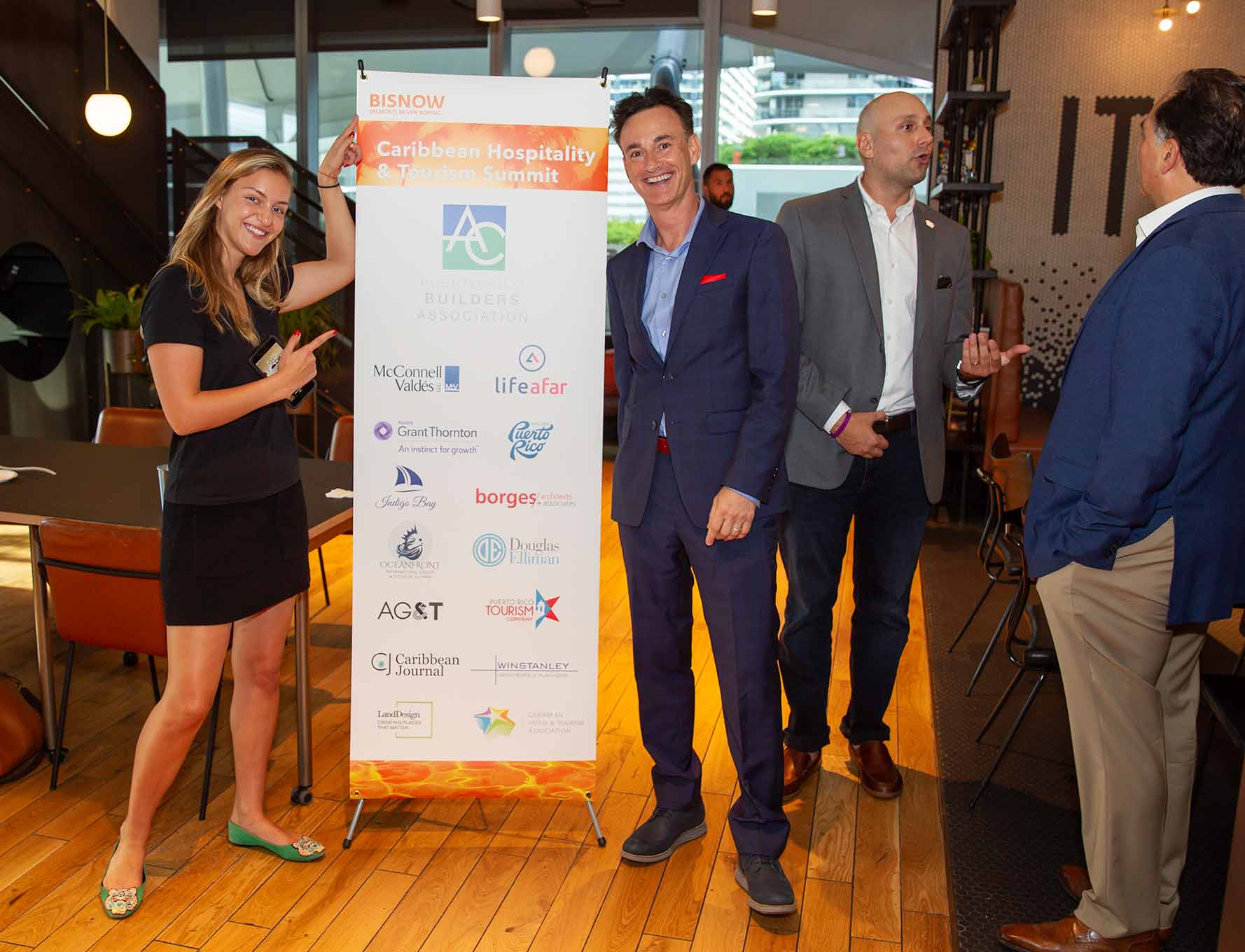
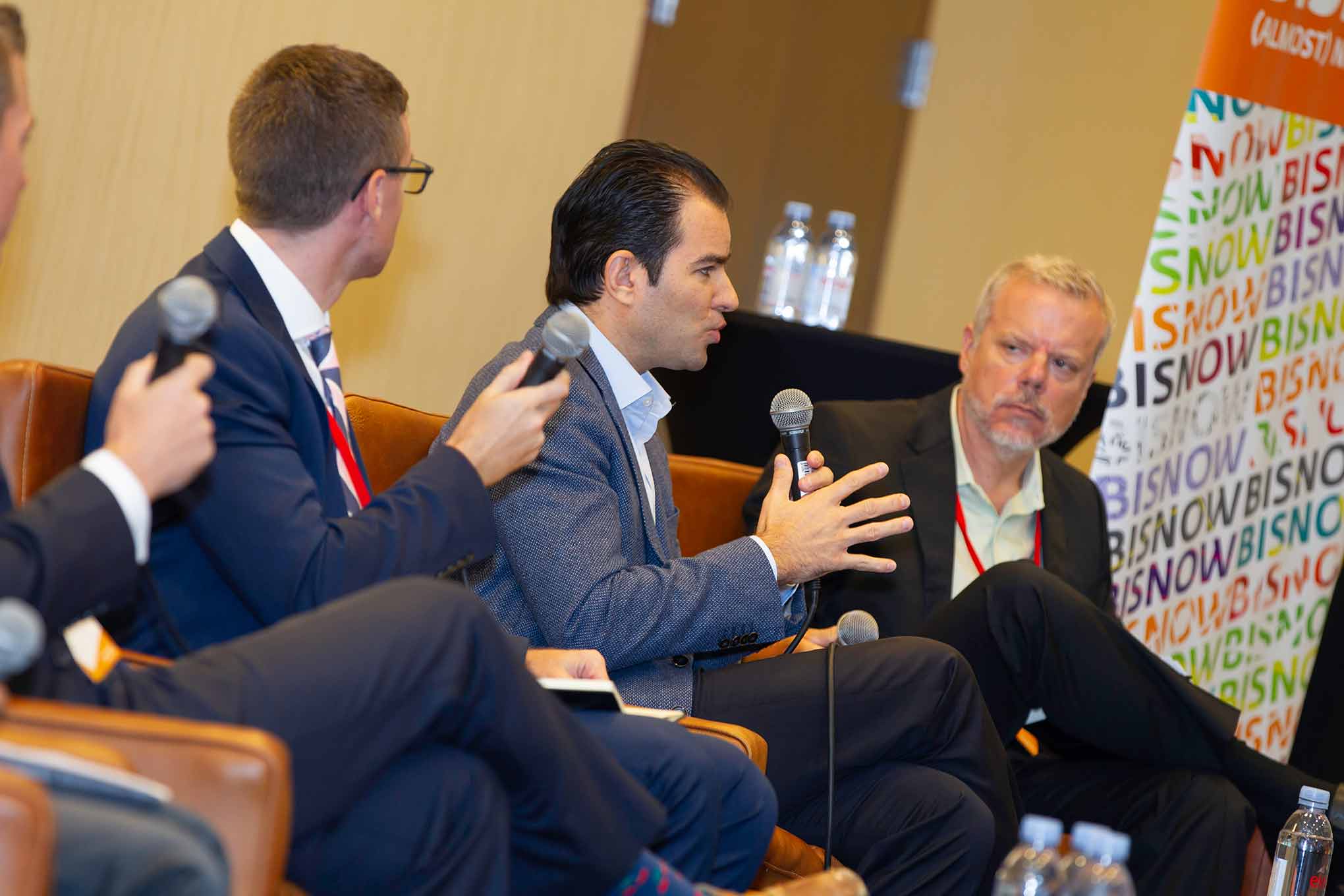
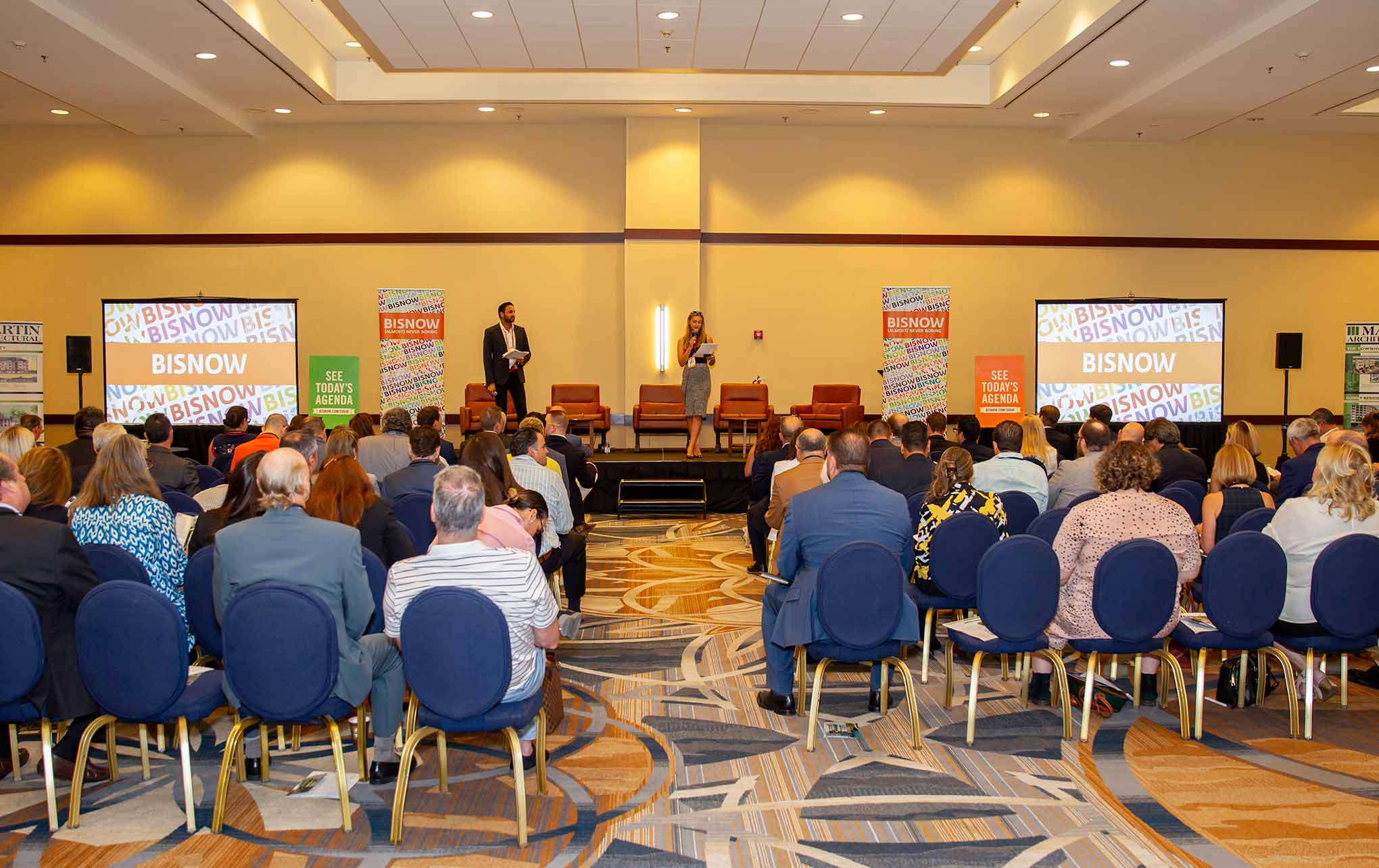
Caribbean Hospitality Summit Draws Record Numbers

The Caribbean’s Hospitality Renaissance:


For decades, the Caribbean has been recognized as one of the world’s premier tourism destinations. Today, it is emerging as one of the most compelling regions for hospitality investment, infrastructure development, and long-term capital deployment. At the center of that transformation is Puerto Rico—a market whose financial renaissance is helping redefine investment across the Caribbean.

At AG&T, we have had the privilege of participating in that evolution for more than three decades.

As a Caribbean real estate development and capital advisory firm, our mission extends well beyond individual transactions. We have worked to strengthen the economic ties between Puerto Rico, the U.S. mainland, and the broader Caribbean by bringing together developers, lenders, institutional investors, hospitality brands, family offices, government agencies, and industry leaders. We believe that successful hospitality markets are built on relationships, collaboration, and confidence in long-term investment.

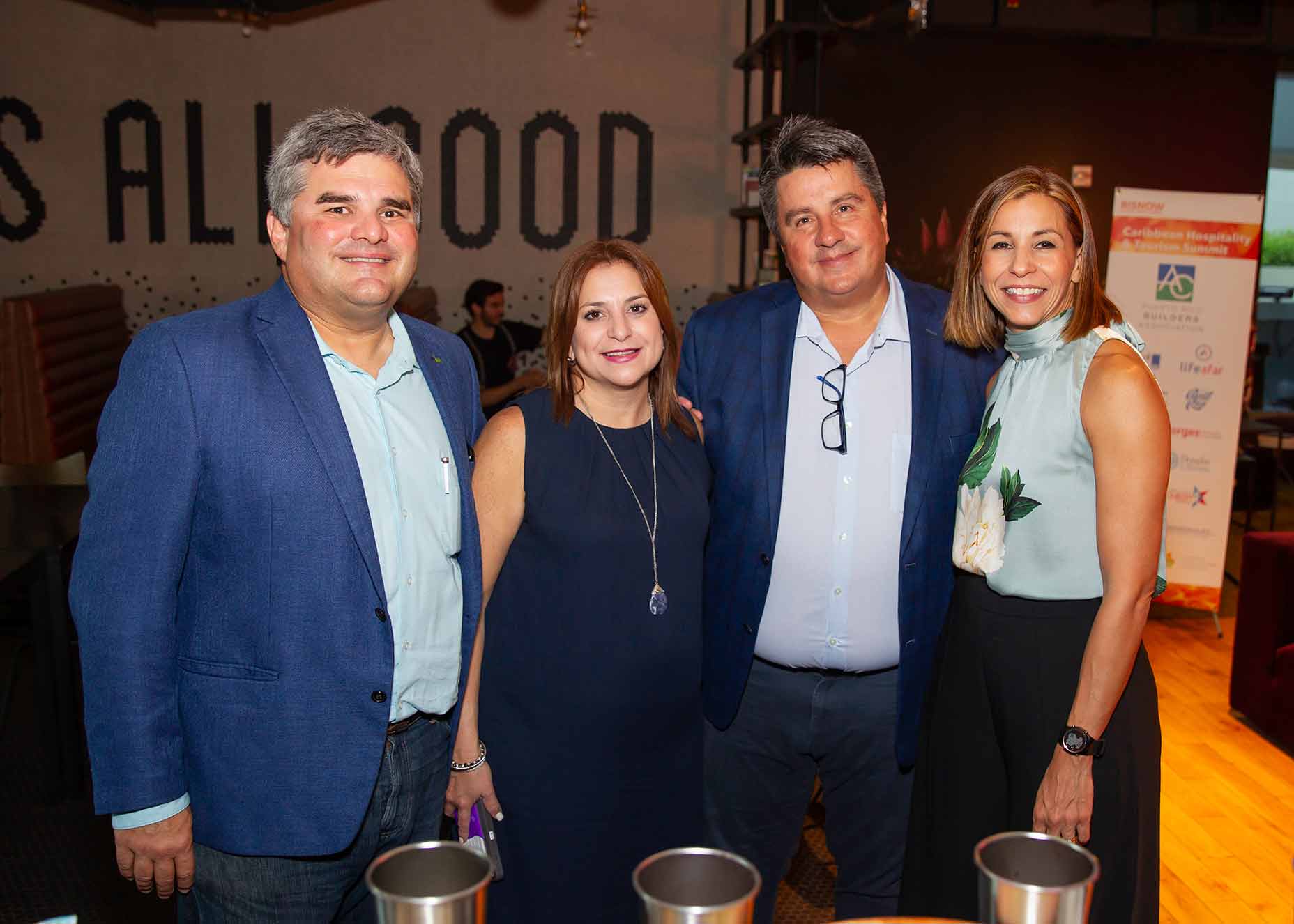
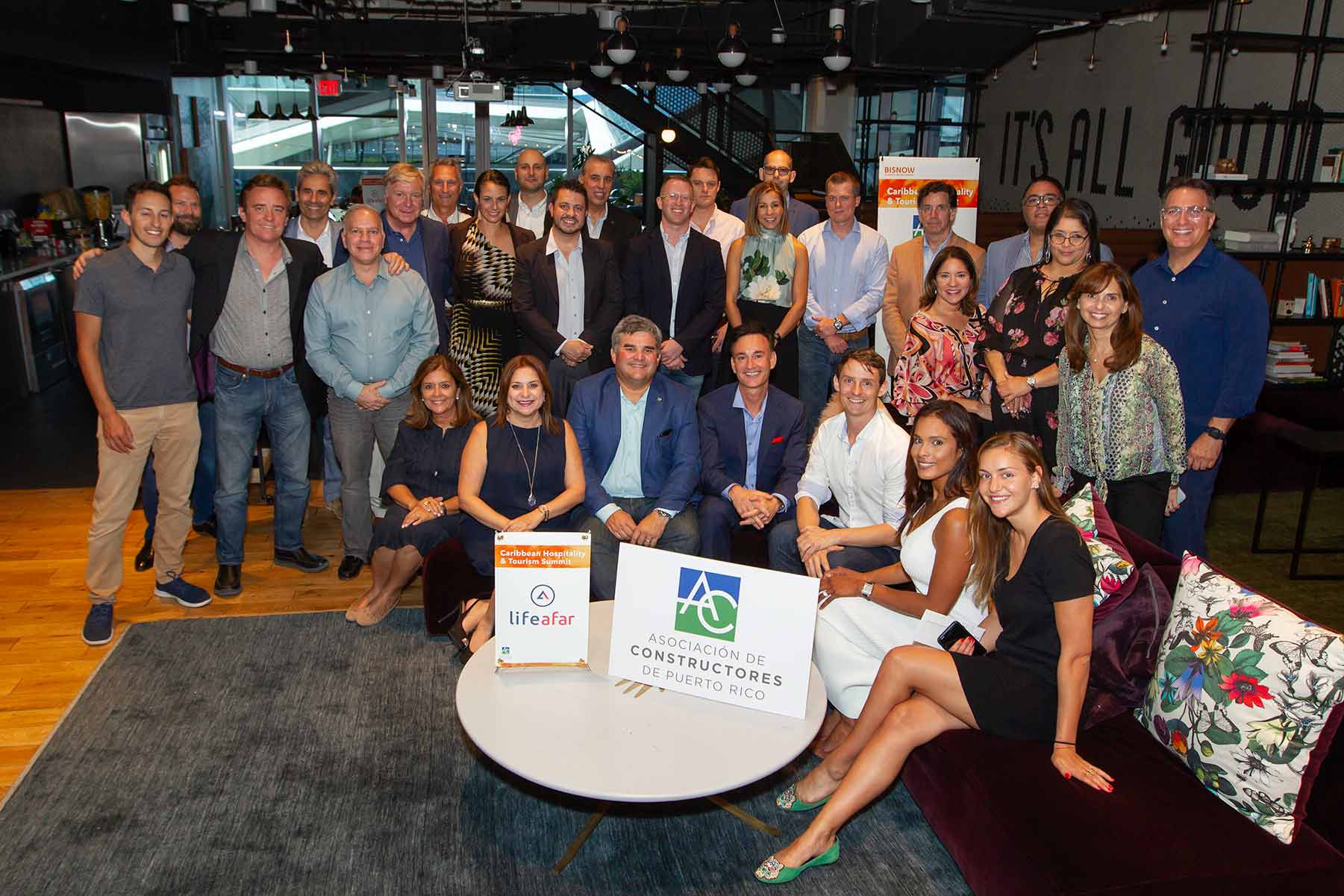
This philosophy has guided AG&T’s partnerships with organizations such as the Puerto Rico Builders Association, the Urban Land Institute, Bisnow, hospitality conferences, investment forums, and numerous public and private initiatives designed to showcase the Caribbean as a world-class destination for investment as well as tourism.

One such milestone was the Puerto Rico Builders Association’s conference, where AG&T organized and moderated a discussion on the future of development finance featuring senior executives from FirstBank, the Economic Development Bank of Puerto Rico, and Acrecent Financial. While the conversation centered on financing new construction, it reflected something much larger: Puerto Rico’s financial sector was entering a new era, creating opportunities not only for the island, but for hospitality and real estate investment throughout the Caribbean.

Looking back today, that conversation marked the beginning of a broader transformation.

Puerto Rico has emerged from years of fiscal restructuring with renewed financial stability, strengthened institutions, and a growing ecosystem of capital providers. Traditional banks have returned to construction lending, private credit has expanded, institutional investors are increasingly active, and billions of dollars in federal investment have accelerated infrastructure modernization. Together, these developments have created one of the strongest investment environments the island has experienced in decades.

The implications extend far beyond Puerto Rico.

Hospitality has always been one of the Caribbean’s most important economic engines. Across the region, demand for luxury resorts, branded residences, mixed-use destinations, marinas, wellness communities, and experiential travel continues to grow. Meeting that demand requires sophisticated capital markets, experienced development partners, and trusted financial institutions.

Puerto Rico’s financial resurgence is helping create that foundation.

As capital markets mature and investor confidence grows, the island increasingly serves as a gateway for institutional investment into the Caribbean. International hotel brands, private equity firms, family offices, lenders, and developers are viewing the region with renewed optimism, supported by stronger financial structures and improved access to capital.

At AG&T, we have worked to help build those connections.

Through partnerships with organizations such as Bisnow, the Urban Land Institute, the Puerto Rico Builders Association, and numerous hospitality and investment organizations, we have organized conferences, investor forums, educational programs, and networking events that connect mainland U.S. capital with Caribbean opportunities. These initiatives are designed not simply to promote projects, but to foster meaningful dialogue between investors, public officials, hospitality leaders, financial institutions, and developers.

Our objective has remained remarkably consistent: position Puerto Rico and the Caribbean as globally competitive destinations for investment, innovation, and sustainable economic growth.

The Caribbean hospitality sector is entering a defining period. Record tourism, expanding airlift, increasing demand for luxury accommodations, resilient infrastructure, and growing interest from global investors are reshaping the region’s development landscape. At the same time, public-private partnerships, innovative financing structures, and collaborative leadership are creating opportunities that would have been difficult to imagine only a decade ago.

Economic transformation does not occur in isolation. It is the product of sustained collaboration among governments, financial institutions, developers, investors, and industry organizations that share a common vision.

Puerto Rico’s financial renaissance is strengthening not only the island’s economy, but also the future of Caribbean hospitality.

At AG&T, we are proud to continue serving as a bridge between Caribbean opportunity and global capital—helping build the relationships that will shape the region’s next generation of hospitality and real estate development.

From Ideas to Action: Helping Rebuild Puerto Rico Through ULI Advisory Services

From Ideas to Action: Helping Rebuild Puerto Rico Through ULI Advisory Services


Thought leadership is important…But real leadership is measured by action.

Following the catastrophic devastation caused by Hurricane Maria in 2017, Puerto Rico faced one of the greatest rebuilding challenges in its modern history. Communities across the island were confronted not only with repairing damaged infrastructure and housing, but with a much larger question:

How do we rebuild stronger than before?

Rather than simply discussing resilience from the conference stage, AG&T joined a multidisciplinary team of national experts through the Urban Land Institute (ULI) Advisory Services Program to help answer that question.


Supported by The Kresge Foundation, ULI Southeast Florida/Caribbean, Alvarez-Díaz & Villalón, and the Puerto Rico Builders Association, the Advisory Services Panel traveled to the Municipality of Toa Baja to work directly with local government, business leaders, community organizations, and residents to develop a practical roadmap for long-term recovery and resilience.

Turning Expertise into Action

ULI’s Advisory Services Panels are among the organization’s highest forms of professional service.

Rather than serving as conferences or academic exercises, these panels assemble nationally recognized experts in planning, architecture, engineering, finance, economic development, housing, resilience, public policy, and real estate to solve complex urban challenges.

For one intensive week, the team immersed itself in Toa Baja meeting with local stakeholders, touring neighborhoods, evaluating damaged infrastructure, reviewing economic data, and identifying opportunities that could strengthen the municipality for generations to come.

For AG&T, organizing and participating in the panel reflected a core belief:

Knowledge creates value only when it leads to action.

The Challenge

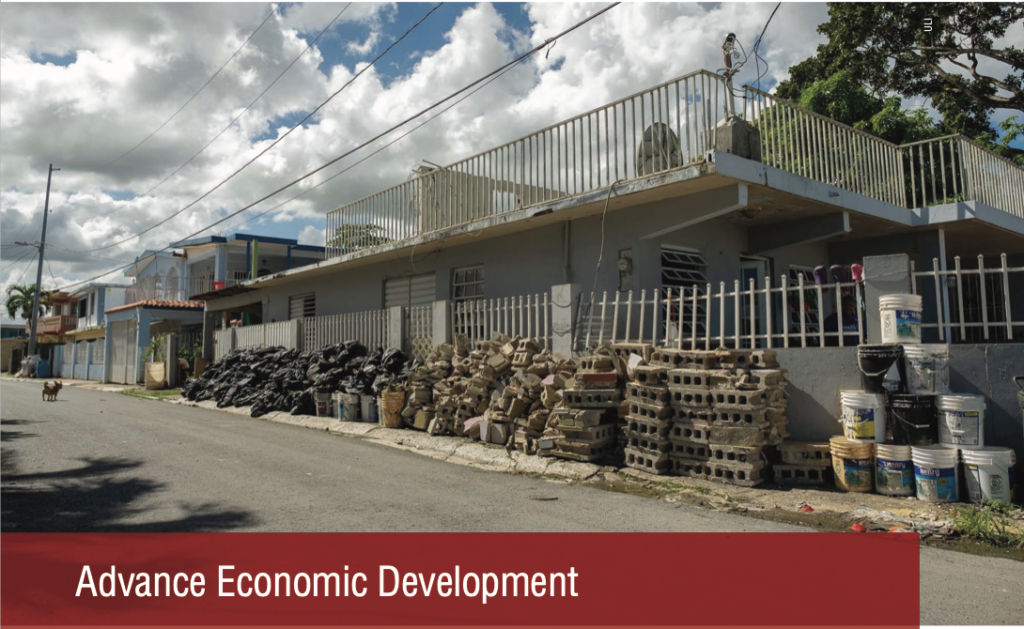
Among Puerto Rico’s municipalities, Toa Baja was one of the hardest hit by Hurricane Maria.

The municipality sustained more than $1.3 billion in damages, with widespread impacts to housing, businesses, transportation infrastructure, utilities, and public facilities.

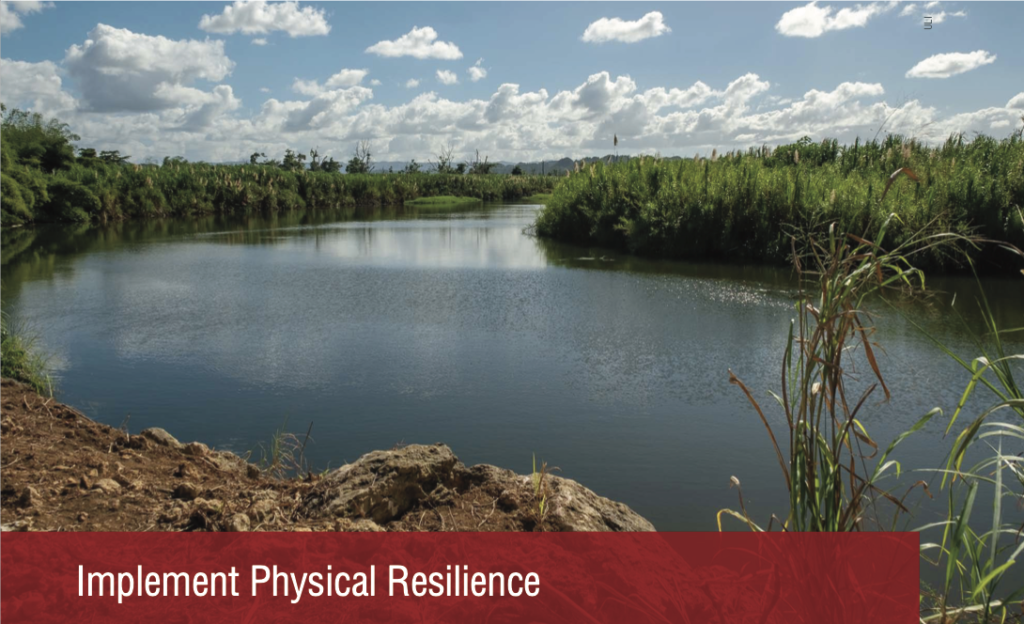
Its geographic location also made it particularly vulnerable to future flooding, storm surge, sea-level rise, and other climate-related hazards.

The challenge extended well beyond reconstruction.

The objective was to create a strategy for a safer, stronger, and more economically resilient community.

Looking Beyond Recovery

The panel’s recommendations extended far beyond repairing damaged buildings.

Instead, the team examined how resilience could become a catalyst for economic development.

Among the key areas explored were:

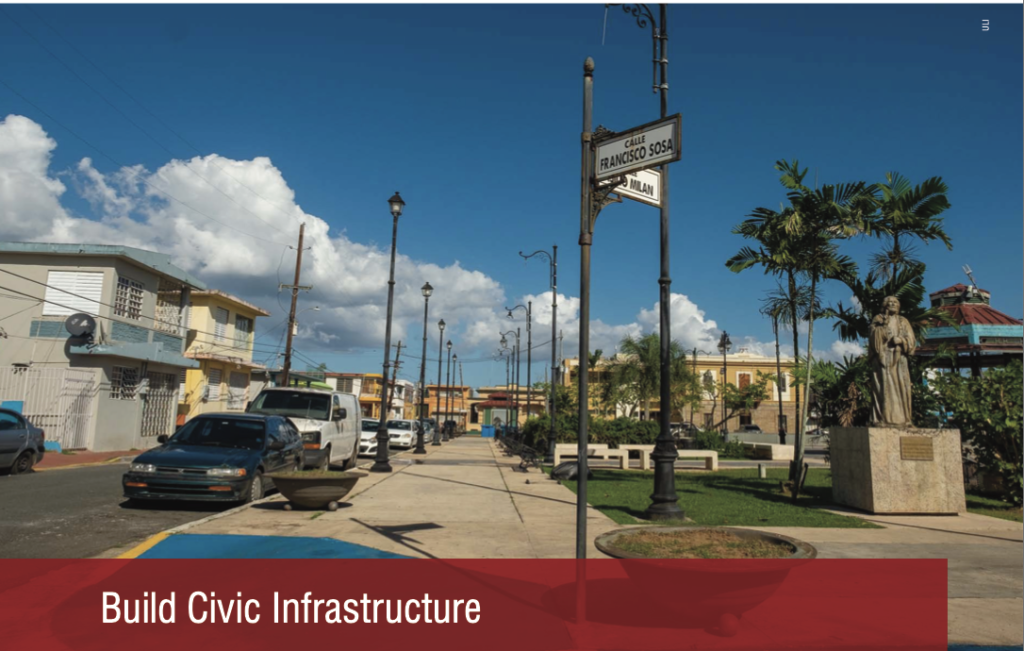
  • Identifying Toa Baja’s long-term competitive advantages within Puerto Rico and the Caribbean.

  • Strengthening economic drivers capable of creating sustainable employment.

  • Improving land use planning to reduce exposure to flooding and future storm events.

  • Integrating resilience into future housing and commercial development.

  • Leveraging public-private partnerships to accelerate investment.

  • Creating more efficient land development processes.

  • Expanding access to resilient housing for residents across all income levels.

  • Aligning reconstruction efforts with long-term economic growth rather than short-term recovery.

The panel also examined how natural systems, coastal conditions, transportation networks, and infrastructure investments could work together to create a more resilient municipality.


Resilience as Economic Development

One of the panel’s most important conclusions was that resilience should not be viewed simply as disaster preparedness.

Well-designed resilient communities are also stronger economies.

Investments in flood mitigation, resilient infrastructure, modern utilities, housing, transportation, environmental restoration, and thoughtful land planning improve quality of life while making communities more attractive for residents, businesses, investors, and employers.

Today, that philosophy has become increasingly accepted throughout the development industry.

Institutional investors, lenders, insurers, and governments now recognize resilience as a critical component of long-term value creation.

From Recommendations to Lasting Impact

Although the Advisory Services Panel lasted only one week, its influence extended well beyond the final presentation.

The report continues to serve as a strategic resource for municipal planning, resilience initiatives, economic development discussions, and future investment opportunities.

More importantly, it demonstrated what can be achieved when the public sector, private industry, nonprofit organizations, and community leaders collaborate toward a common objective.

The challenges facing island communities require integrated solutions.

No single organization can solve them alone.

AG&T’s Commitment

For AG&T, participating in the Toa Baja Advisory Services Panel reflects the type of work we believe matters most.

Our role extends beyond advising individual developments. We are equally committed to helping strengthen the communities in which those projects exist.

Over the years, AG&T has contributed to numerous initiatives involving the Urban Land Institute, the Puerto Rico Builders Association, universities, government agencies, institutional investors, and nonprofit organizations, all with the shared objective of advancing sustainable economic development throughout Puerto Rico and the Caribbean.

Whether the challenge involves resilience, housing, hospitality, infrastructure, climate adaptation, or economic competitiveness, we believe meaningful progress begins with collaboration.

Because rebuilding communities is about more than replacing what was lost. It is about creating places that are stronger, safer, more prosperous, and better prepared for the future.

That is the kind of work that creates lasting impact.

Download the complete ULI Advisory Services Panel Report for the Municipality of Toa Baja to explore the team’s recommendations for building a more resilient and economically vibrant community.

Creating a Forum for Caribbean Thought Leadership: The First ULI Caribbean Roundtable

Creating a Forum for Caribbean Thought Leadership: The First ULI Caribbean Roundtable


Great ideas rarely emerge in isolation. They are born through conversation, collaboration, and the willingness to bring together people with different perspectives to solve shared challenges.

That belief inspired the launch of the ULI Caribbean Roundtable, an initiative created to establish a regular forum where leaders from across the Caribbean real estate, hospitality, finance, planning, and development industries could exchange ideas and discuss the opportunities shaping the region’s future.

Chaired by Adam Greenfader, Chairman of AG&T and then Chair of the ULI Southeast Florida/Caribbean Council, the inaugural Roundtable brought together a diverse group of developers, investors, architects, financial advisors, and industry leaders committed to advancing thoughtful, sustainable growth throughout the Caribbean.

Among the featured speakers were:

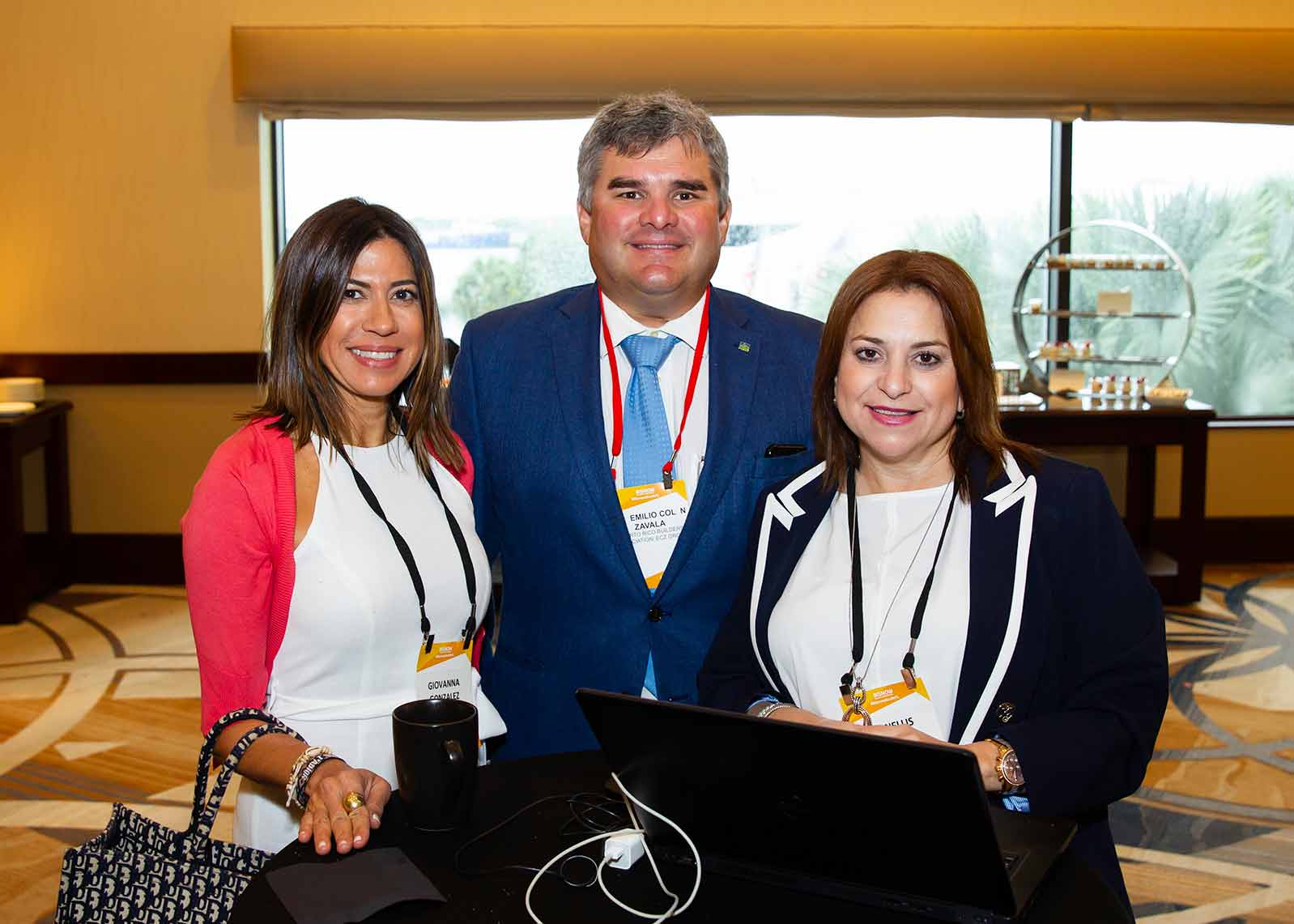
  • Emilio Colón Zavala, President, Puerto Rico Builders Association

  • Ricardo Álvarez-Díaz, Founder and CEO, Álvarez-Díaz & Villalón (AD&V)

  • Robbie Karver, Ernst & Young (EY), Hospitality Advisory

The event was made possible through the collaboration of the Urban Land Institute Southeast Florida/Caribbean District Council and its outstanding leadership team, whose commitment helped establish what would become an ongoing series of conversations focused on the future of Caribbean development.

A Region Entering a New Chapter

The discussion took place during a pivotal moment for the Caribbean.

Only two years after Hurricanes Irma and Maria, the region was rebuilding with renewed optimism while simultaneously attracting increased interest from institutional investors, global hotel brands, and international developers.

Despite recent challenges, the panel shared a remarkably optimistic outlook.

  1. Tourism fundamentals remained strong.
  2. Airlift continued to expand.
  3. Hotel occupancy was recovering rapidly.
  4. Luxury travel demand remained resilient.
  5. Most importantly, investors continued to believe in the long-term strength of the Caribbean hospitality market.


Key Themes That Continue to Shape the Region

Several observations made during the Roundtable remain remarkably relevant today.

Access Drives Investment

The panel agreed that air connectivity remains one of the most important drivers of tourism and hospitality investment.

Destinations with strong international airlift continue to outperform, creating greater confidence among developers, lenders, hotel operators, and institutional investors.

The Caribbean Is Maturing

Rather than being viewed as a collection of isolated resort destinations, the Caribbean has increasingly evolved into a sophisticated investment market offering diverse opportunities across hospitality, branded residences, mixed-use development, marinas, logistics, and infrastructure.

This maturation has attracted increasingly sophisticated sources of capital seeking long-term investment opportunities.

Puerto Rico’s Competitive Position

The discussion also highlighted Puerto Rico’s unique advantages.

Federal disaster recovery funding, Opportunity Zones, tourism incentives, and the island’s attractive tax framework were already positioning Puerto Rico for renewed investment.

Many of those early observations have since materialized, with Puerto Rico experiencing record tourism performance, significant hospitality investment, and growing institutional interest.

Resilience Creates Value

One of the most encouraging conclusions reached during the Roundtable was that resilience does not necessarily reduce investment returns.

Developers increasingly recognized that resilient design, stronger construction standards, and sustainable planning can enhance long-term asset performance while reducing future risk.

Today, resilience has become a central component of hospitality development throughout the Caribbean.

Building More Than Conversations

Looking back, the greatest achievement of the Caribbean Roundtable was not any single discussion.

It was the creation of an ongoing community.

Over the following years, the Roundtable welcomed leaders from organizations including Hilton, CBRE Hotels, IDB Invest, Discover Puerto Rico, Apple Leisure Group, Sculptor Real Estate, major financial institutions, developers, architects, government agencies, and global investors.

Each conversation expanded the dialogue around the issues shaping Caribbean development—from hospitality and branded residences to climate resilience, institutional capital, infrastructure, manufacturing, tourism, and public-private partnerships.

AG&T’s Perspective

For AG&T, organizing the Caribbean Roundtable reflected a long-standing philosophy.

Economic development begins by bringing people together.

Throughout our history, we have sought to connect government leaders, investors, developers, hotel brands, universities, planners, architects, financial institutions, and entrepreneurs around one common objective: creating a stronger, more resilient Caribbean.

The Roundtable became one of many platforms through which those conversations could occur.

Today, those discussions continue to influence the way we think about hospitality, resilience, investment, and sustainable development across the region.

Because while individual projects may define skylines, it is collaboration that ultimately shapes the future of communities.