Puerto Rico's Economic Transformation: A Conversation with Secretary Manuel Laboy
Economic development is driven by leadership, vision, and the ability to anticipate where investment is heading.
In this exclusive interview, Manuel Laboy, then Secretary of the Puerto Rico Department of Economic Development and Commerce (DEDC), shares his vision for positioning Puerto Rico as one of the most competitive jurisdictions in the Americas for manufacturing, life sciences, logistics, and industrial investment.
Our discussion explores many of the initiatives that were reshaping Puerto Rico’s economy, including the expansion of pharmaceutical and medical device manufacturing, Opportunity Zones, public-private partnerships, tax incentives, infrastructure investment, and regulatory reforms designed to attract new private capital. Secretary Laboy also discusses the significance of new legislation affecting foreign cargo and why he viewed it as a potential game changer for the island’s long-term competitiveness.
For AG&T, interviews such as this are part of our ongoing commitment to understanding the policies, market dynamics, and public-sector initiatives that influence real estate and economic development throughout the Caribbean.
Our longstanding relationships with government leaders, institutional investors, developers, and financial institutions allow us to provide clients with perspectives that extend beyond individual transactions. By engaging directly with the people shaping economic policy, we help clients better understand the opportunities, challenges, and strategic direction of the markets in which they invest.
Whether advising on industrial development, mixed-use projects, hospitality, or large-scale investment opportunities, AG&T believes informed decisions begin with informed conversations.
Watch the interview with Secretary Manuel Laboy to gain insight into Puerto Rico’s economic development strategy and the policies that continue to influence investment across the island.
Section 936 and the Case for Reinvesting in Puerto Rico’s Manufacturing Base
The repeal of Section 936 remains one of the most consequential economic policy decisions of the last three decades. It hollowed out Puerto Rico’s manufacturing base, precipitated a fifteen-year economic crisis on the island, and — critically for U.S. supply chain security — pushed critical manufacturing offshore to Mexico, Ireland, Latin America, and China.
Understanding this history is essential to understanding the opportunity Puerto Rico presents to institutional capital today.
What Section 936 Was
Section 936 of the U.S. Internal Revenue Code, enacted in the 1970s, provided federal tax credits to U.S. corporations operating in Puerto Rico. It was designed to encourage industrial investment on the island, and it worked. By the mid-1990s, Puerto Rico had become one of the world’s most concentrated centers of pharmaceutical manufacturing, biomedical devices, and precision industrial production.
The incentive was phased out beginning in 1996 and fully eliminated by 2006.
Their findings quantified what the island already knew:
Manufacturing employment declined sharply
Multinational corporations relocated production offshore
Wages compressed
The island entered what would become a decade-and-a-half of negative economic growth
The consequences extended beyond Puerto Rico. Critical U.S. supply chains — pharmaceutical ingredients, medical devices, protective equipment — moved to foreign jurisdictions where the U.S. government has neither regulatory oversight nor security guarantees.
Why This Matters Now
The Food and Drug Administration has repeatedly expressed concern about U.S. dependence on foreign medical supply chains — particularly on China. Recent geopolitical shifts have accelerated the reshoring conversation across pharmaceutical manufacturing, semiconductors, and defense-critical industries.
Puerto Rico is uniquely positioned to answer that call.
The infrastructure remains in place:
49 FDA-approved pharmaceutical plants currently operating on the island
25% of all U.S. pharmaceutical exports are produced in Puerto Rico — more than any state
Cold-chain logistics infrastructure already built out for high-value pharmaceutical exports
A workforce experienced in regulated manufacturing — decades of institutional knowledge that cannot be quickly rebuilt elsewhere
For institutional capital thinking about industrial reshoring, Puerto Rico offers something no other jurisdiction can: existing FDA-registered facilities, an experienced labor force, and U.S. jurisdiction — with the potential for renewed federal incentive frameworks.
The Forward Case
The manufacturing tax framework that supported Puerto Rico’s rise has been replaced in part by newer instruments — Act 60, Opportunity Zones, and various targeted incentives. But none has fully restored the strategic advantage Section 936 provided.
For allocators, developers, and policymakers, the question is no longer whether critical manufacturing should return to U.S. soil. That consensus has largely formed. The question is where.
Puerto Rico’s answer: infrastructure is already here, workforce is already trained, regulatory jurisdiction is already U.S.
The learning curve for a company evaluating pharmaceutical production in Puerto Rico is dramatically shorter than for any other U.S. region.
AG&T’s Perspective
At AG&T, we have advised on Caribbean development for nearly three decades — through the pre-936 boom, the post-repeal contraction, the 2017 hurricanes, and the current recovery. We have watched capital allocation cycles play out in real time.
Our conviction is straightforward: Puerto Rico’s manufacturing base is a strategic U.S. asset that has been consistently undervalued. As institutional capital rethinks supply chain resilience, ESG alignment, and long-term industrial strategy, the island’s mature manufacturing ecosystem deserves renewed attention.
The next generation of U.S. industrial policy will be shaped by decisions made in the next five to ten years. Puerto Rico should be central to that conversation.
AG&T is a Caribbean real estate capital advisor founded in 1998. Principal-led, AG&T has been involved in over 55 development projects across Puerto Rico, Sint Maarten, Costa Rica, the Dominican Republic, and other Caribbean markets — connecting institutional capital with regional opportunity. Contact us to discuss Caribbean manufacturing, hospitality, and infrastructure investment.
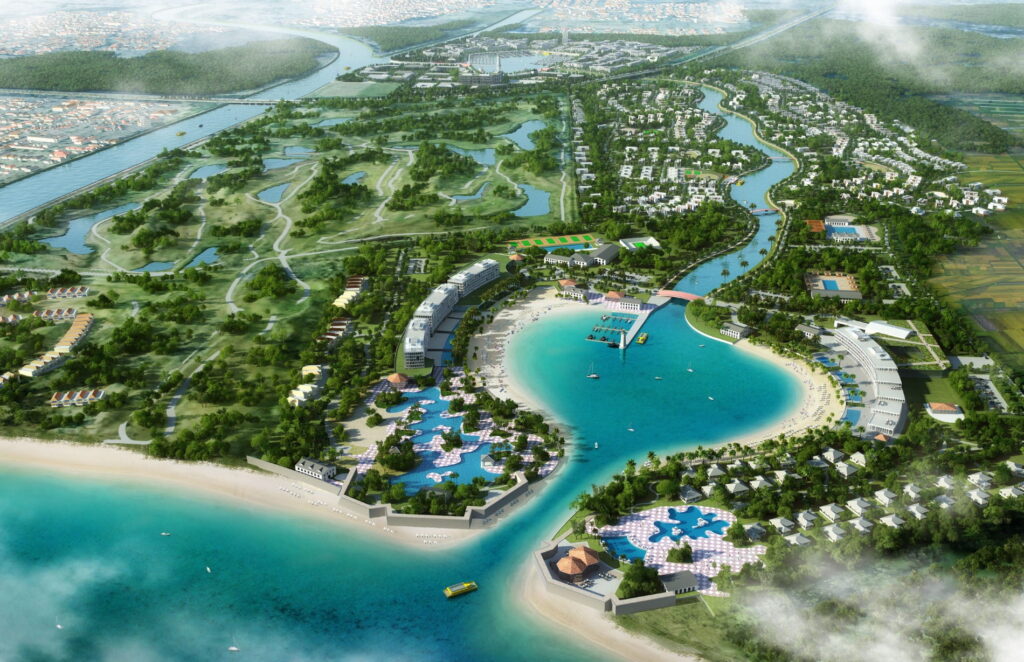
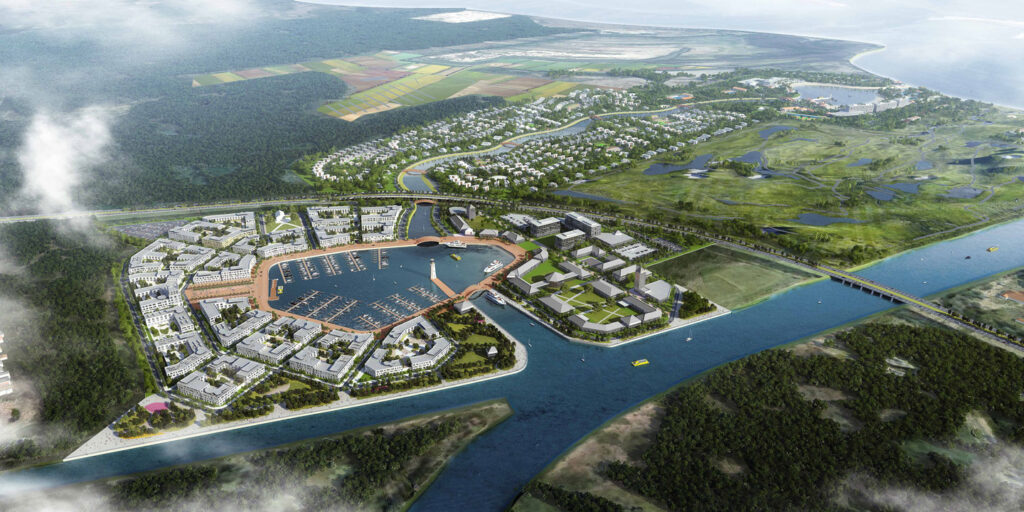
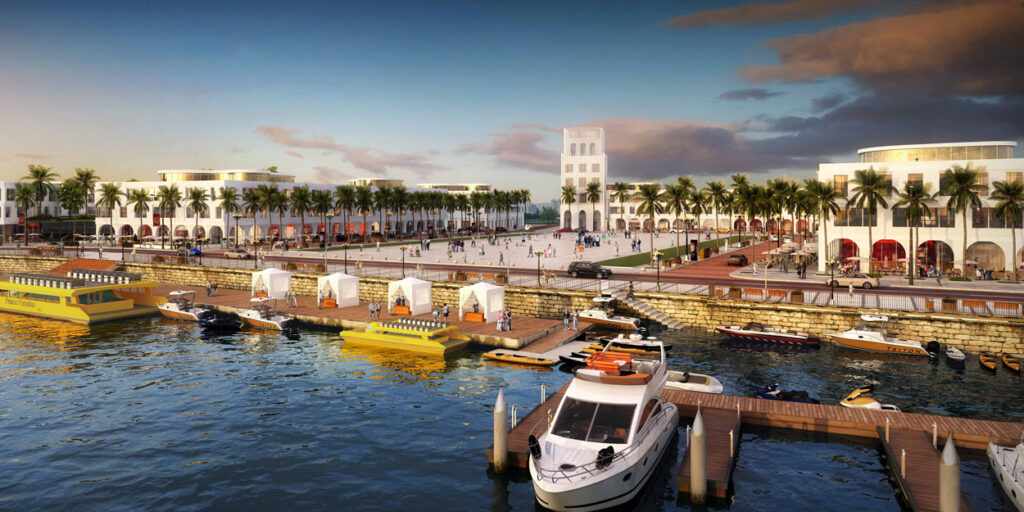
PONCE, PUERTO RICO—Ponce Paradise—a 900-acre resort, healthcare village and marina located here—is giving guests all the conveniences and amenities of mixed-use, but with a twist.
Master Plan Resort Destination
Adam Greenfader, managing partner, AG&T, the development firm behind Ponce Paradise, said, “There is a trend in hospitality development for travelers searching for a destination that offers a wellness package or amenities.”
Conceptualized by LandDesign and Winstanley Architects & Planners along with AG&T, the teams consulted engineering and aquatic architecture professionals to make the vision a reality, bringing together a mixed-use development and a wellness destination.
“Economies of scale seem to indicate mixed-use projects will be getting larger. The live-work-play concept is really taking hold as more people want to be in the center of it all,” Greenfader said.
Master Plan for Wellness City and Hospital
Ponce Hospital and Wellness City
Still in its early design and community involvement phase, Ponce Paradise will comprise a hotel and spa, wellness community, farm-to-table agricultural setup, a micro-grid, residential neighborhoods, a town square and a university medical center, with a total investment of approximately $1 billion.
Specifically, the 166-acre Wellness City will have research, university and care facilities, which will include a branded hospital, rehabilitation centers, outpatient, recovery rooms, assisted living facilities, nursing home, short-term residential units and condominiums. The wellness lagoon will have restaurants and retail, and a plaza will be home to a worship center, park and entertainment venue.
The development will not only promote health and wellness but sustainability as well. About 60% of the site is untouched and will remain in its natural state, according to the Puerto Rico Conservation Easement Law. Additionally, the developed area has acres of green space, waterways and parks.
“Wellness tourism has been estimated as a $563 billion industry in 2018,” Greenfader said. “Puerto Rico is ideally situated to capture a large part of this market due to its central location, airlift and cruise traffic, U.S. medical doctors and great infrastructure.
“There are many medical treatments that can be done in Puerto Rico for a fraction of the cost—and you get to enjoy an amazing Caribbean vacation experience,” he added.
There are, of course, some challenges. “Less than 7% of Puerto Rico’s GDP is tourism based. For a Caribbean island with great beaches, people and infrastructure, this in incredibly low. The city of Ponce, in particular, has a convention center, port and airport that are highly underutilized,” Greenfader said, highlighting the project’s necessity.
He said the first challenge is to get the Municipality of Ponce and the Fiscal Board controlled by the U.S. Congress to fully use its assets. The second challenge—which is common in any large mixed-use project—is to provide the right combination of uses.
“The last challenge is financing,” he said. “In Puerto Rico, there are $20 billion of Community Development Block Grants for Disaster Relief. We trust some of that will be allocated to critical projects such as Ponce Paradise.”
Following meetings with the municipality, major medical associations, cruise lines and community leaders—each with their own concerns—Greenfader is confident that they will be able to address each group while also honoring Ponce’s natural surroundings.
“Our job as project sponsors is to balance the concerns of each group with the stewardship of the environment,” he said. “The project must make economic sense but also be a valuable contributor to the local region, protecting and enhancing natural assets.”
Greenfader said that as hospitality as a whole faces its own challenges, differentiators like mixed-use developments are gaining more momentum.
“Airbnb and other disruptors have proven that the market is changing and that guests are seeking new experiences. Budget allocations, the desire to be together in large groups and ease of booking a reservation are just a few reasons the hotel industry is adding more residential units,” he said.
According to Greenfader, residential space generates revenue that can assist with the financing capital stack, while also creating a rental pool of additional units for the high seasons.
Ponce Paradise plans to offer three residential options: single-family homes, smaller vacation rentals and affordable “shotgun-style” housing, all with their own facilities and security.
Its attention to health, however, is the real differentiator, with nature serving as both the basis for its design and Ponce Paradise’s mantra.
“Everyone realizes that wellness is holistic; we don’t just treat the physical but the whole mind, body and spirit,” Greenfader said. “Doctors know that a patient’s success rate is often a result of a positive mental attitude. A cold, sterile room doesn’t necessarily lend itself to great health. Great architecture, beautiful landscaping, water vistas, amazing smells, community, etc., can make the difference between success and failure in a person’s treatment.”
Wellness extends far beyond simple offerings here. “Doing yoga with goats may not prove to have ‘legs,’ but resort wellness has just begun to take off. The reasons are simple: Industrialized nations are getting older, people are living longer, and with two billion new tourists coming from India and China, there are many more potential people for this market niche,” he said. “Some experts say the wellness resort industry is expected to double within the next 20 years and become a $1-trillion industry.”
The sustainability factor is also attracting hoteliers, especially in an area that’s been struck by natural disasters.
“Developers are starting to realize that a weather-related crisis can have a devastating effect on operational risk,” he said. “If a hotel cannot withstand hurricane-force winds, floods and mold, then it will suffer huge downtimes and repairs. In fact, hotels may not ever come back online at all.”
Greenfader said that hotel buyers are now evaluating their portfolios for climate risk and realizing that initially spending 15-20% more in construction costs to make a project resilient and sustainable makes good business sense.
“Developers also realize that if they can stay open during a crisis, their occupancy will be 100% or more,” Greenfader said. “During a relief and rebuilding period, hotels host thousands of relief workers, insurance adjusters and other critical workers. It’s a win-win to be resilient and sustainable.”
This couldn’t be more clear than at the current time, when Puerto Rico is beginning to recover from a series of earthquakes, which Greenfader noted had hit the south particularly hard—especially structures built before 1990, when codes were updated to bolster construction for seismic activity.
“The earthquake reaffirms that a project like Ponce Paradise needs to build a resilient infrastructure into its master plan and be forward-looking in its design,” he said. HB
From the Netherlands to the Caribbean: Rethinking Climate Resilience for Island Communities
Climate resilience is no longer simply an environmental discussion.
It has become one of the defining economic and development challenges of the 21st century. For island nations throughout the Caribbean, climate adaptation influences everything from infrastructure investment and insurance costs to tourism, housing, transportation, energy, and long-term economic competitiveness.
Recognizing these challenges, Adam Greenfader with the Urban Land Institute (ULI) convened an international Climate Resilience Roundtable in the Netherlands, bringing together planners, architects, engineers, financial institutions, developers, investors, and public-sector leaders to explore how some of the world’s most climate-resilient communities can help shape the future of Caribbean development.
The discussion was particularly timely following the devastating impacts of Hurricanes Irma and Maria in 2017 and Hurricane Dorian in the Bahamas in 2019. These events highlighted the urgent need to move beyond disaster recovery and begin designing communities capable of withstanding the increasing impacts of climate change.
Learning from the Dutch
Few countries understand the relationship between water and urban development better than the Netherlands.
For more than a thousand years, the Dutch have designed cities, infrastructure, and landscapes that coexist with water rather than simply attempting to control it. Their expertise in flood management, adaptive urban planning, coastal engineering, and integrated water systems has become a global model for climate resilience.
Rather than viewing resilience as an additional cost, the Dutch approach recognizes it as a long-term investment—one that protects communities, reduces future losses, and creates stronger, more valuable places to live and invest.
As Caribbean nations confront rising sea levels, stronger storms, coastal erosion, and aging infrastructure, these lessons have become increasingly relevant.
Sharing Caribbean Experience
Representing the Caribbean perspective, Adam Greenfader, then Chair of the ULI Southeast Florida/Caribbean Council and Chairman of AG&T, shared lessons learned from the ULI Advisory Services Panel for the Municipality of Toa Baja, Puerto Rico.
The multidisciplinary panel examined how one of Puerto Rico’s most vulnerable municipalities could rebuild after Hurricane Maria while improving long-term resilience, strengthening economic opportunity, and reducing future climate risks.
Rather than focusing solely on reconstruction, the discussion emphasized creating communities that are stronger than those that existed before the storm.
This philosophy—often described as “building back better”—has since become a guiding principle for resilient development worldwide.
A Global Perspective
Joining the discussion was Henk Ovink, the Netherlands’ Special Envoy for International Water Affairs and one of the world’s foremost experts on climate adaptation and water management. Mr. Ovink discussed how climate resilience requires integrated thinking across government, infrastructure, finance, urban planning, and community engagement.
His work through initiatives such as Rebuild by Design, the Global Center on Adaptation, and Water as Leverage has demonstrated that resilience is most successful when architects, engineers, investors, policymakers, scientists, and local communities collaborate from the earliest stages of planning.
The message was clear: Resilience cannot be added at the end of a project.
It must become part of the project’s DNA.
From Recovery to Regeneration
One of the most important themes of the roundtable was the distinction between recovery and regeneration.
Recovery seeks to restore what existed before.
Regeneration asks a more ambitious question:
How can we rebuild communities that are stronger, safer, more sustainable, and better prepared for future generations?
That philosophy extends far beyond engineering.
It includes resilient housing, renewable energy, modern infrastructure, nature-based solutions, flood management, resilient tourism, environmental restoration, and economic diversification.
Increasingly, these principles are also influencing investment decisions.
Why This Matters Today
Since this discussion took place, climate resilience has become one of the most important considerations in global real estate and infrastructure investment.
Institutional investors now routinely evaluate climate risk alongside traditional financial metrics.
Hotels, resorts, airports, ports, hospitals, and mixed-use developments are incorporating resilience into their planning from the earliest stages.
For the Caribbean, resilience is no longer simply about protecting communities.
It has become a competitive advantage.
Destinations that invest in resilient infrastructure, sustainable development, renewable energy, and climate adaptation will be better positioned to attract tourism, institutional capital, and long-term economic growth.
AG&T’s Perspective
For more than three decades, AG&T has viewed resilience as an essential component of responsible development throughout the Caribbean.
Whether advising hospitality projects, master-planned communities, infrastructure initiatives, or economic development strategies, we believe resilience should not be treated as a regulatory requirement or a marketing slogan.
It is an investment strategy. Projects that are thoughtfully designed to withstand climate risk, reduce operating costs, protect natural systems, and enhance community well-being create stronger long-term value for investors, residents, and governments alike.
The conversations held in the Netherlands reinforced an important principle that continues to guide our work today: The Caribbean has the opportunity not simply to recover from climate change—but to become a global leader in resilient, regenerative development.
By combining local knowledge with international best practices, we can create island communities that are stronger, more sustainable, and more prosperous for generations to come.
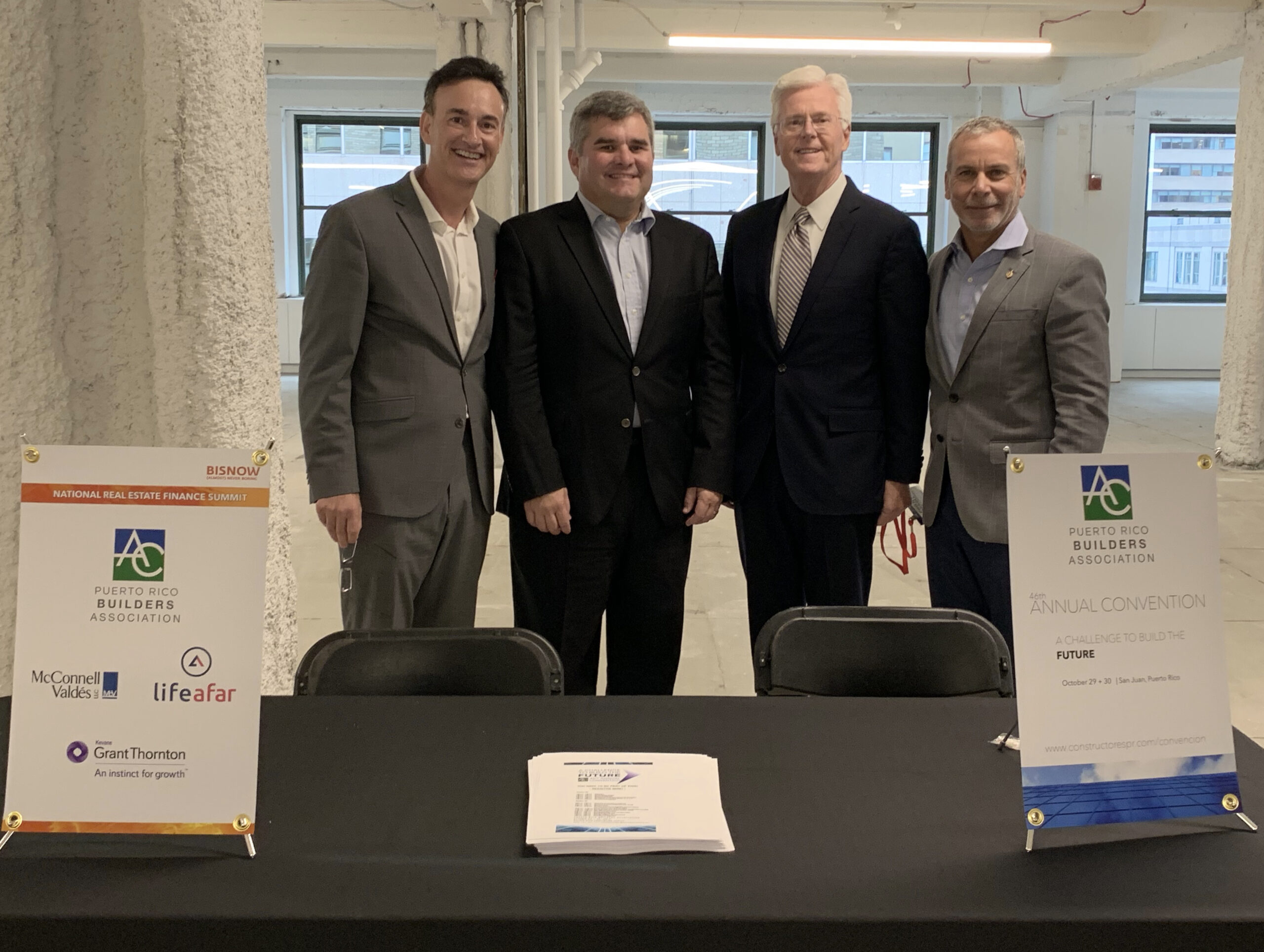
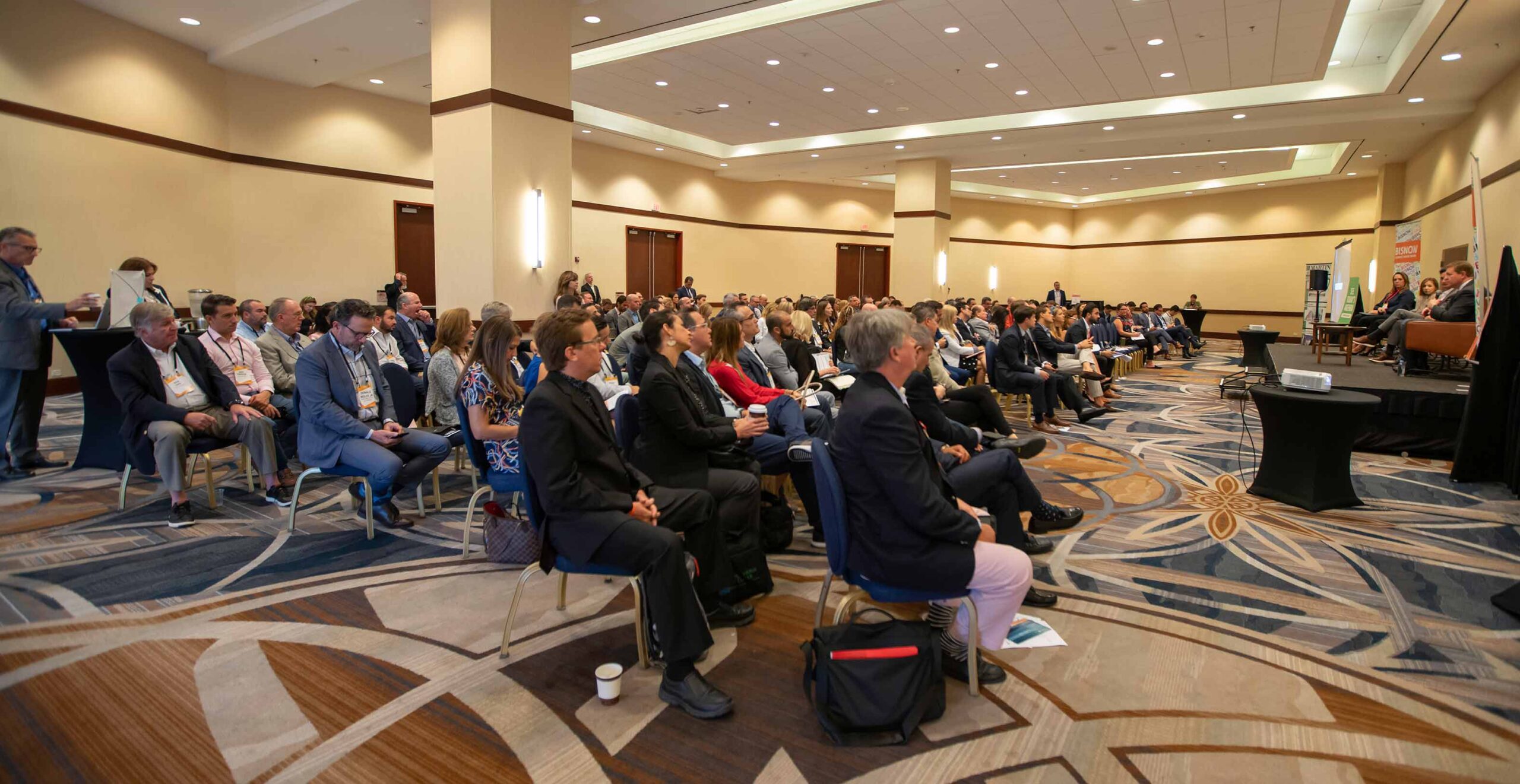
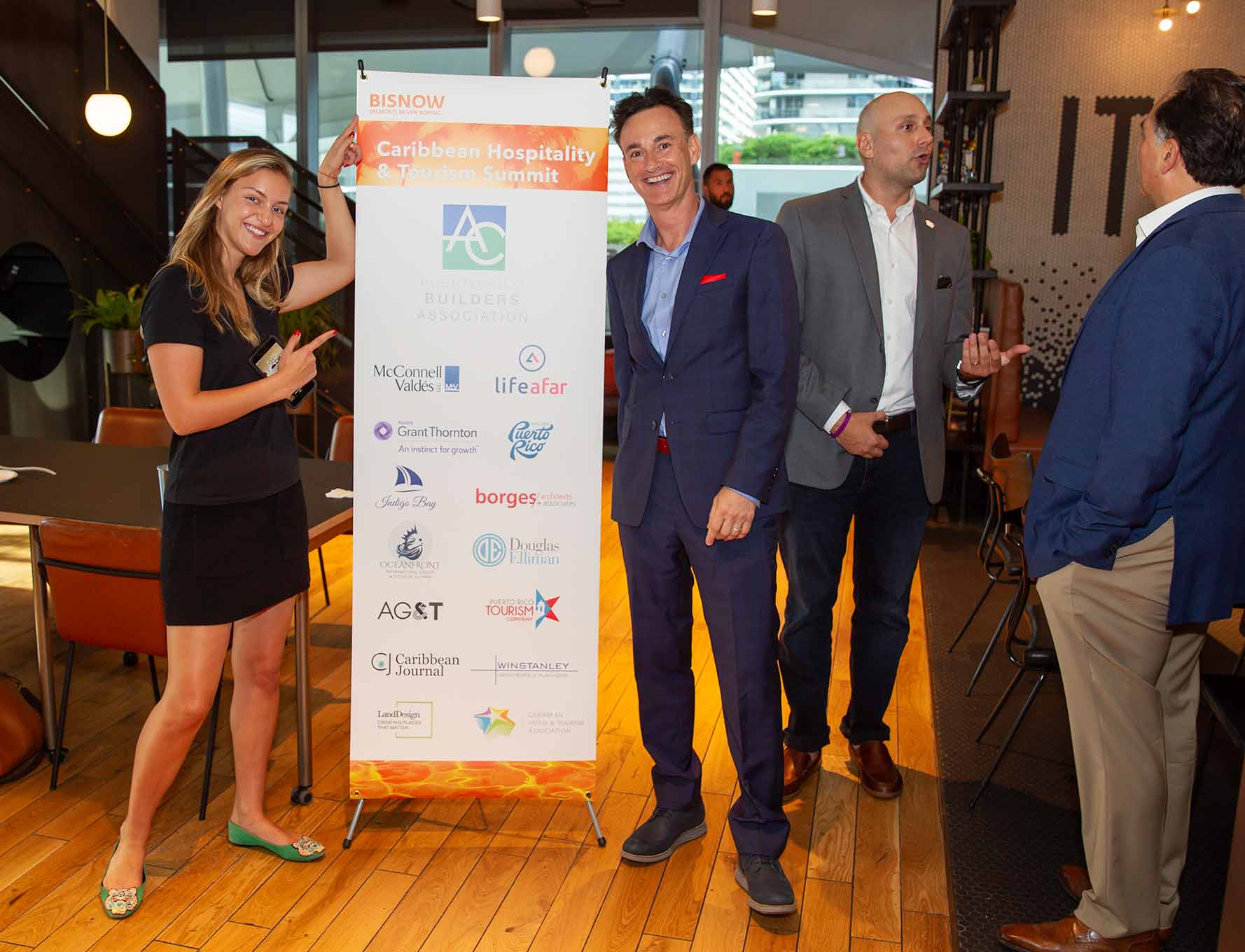
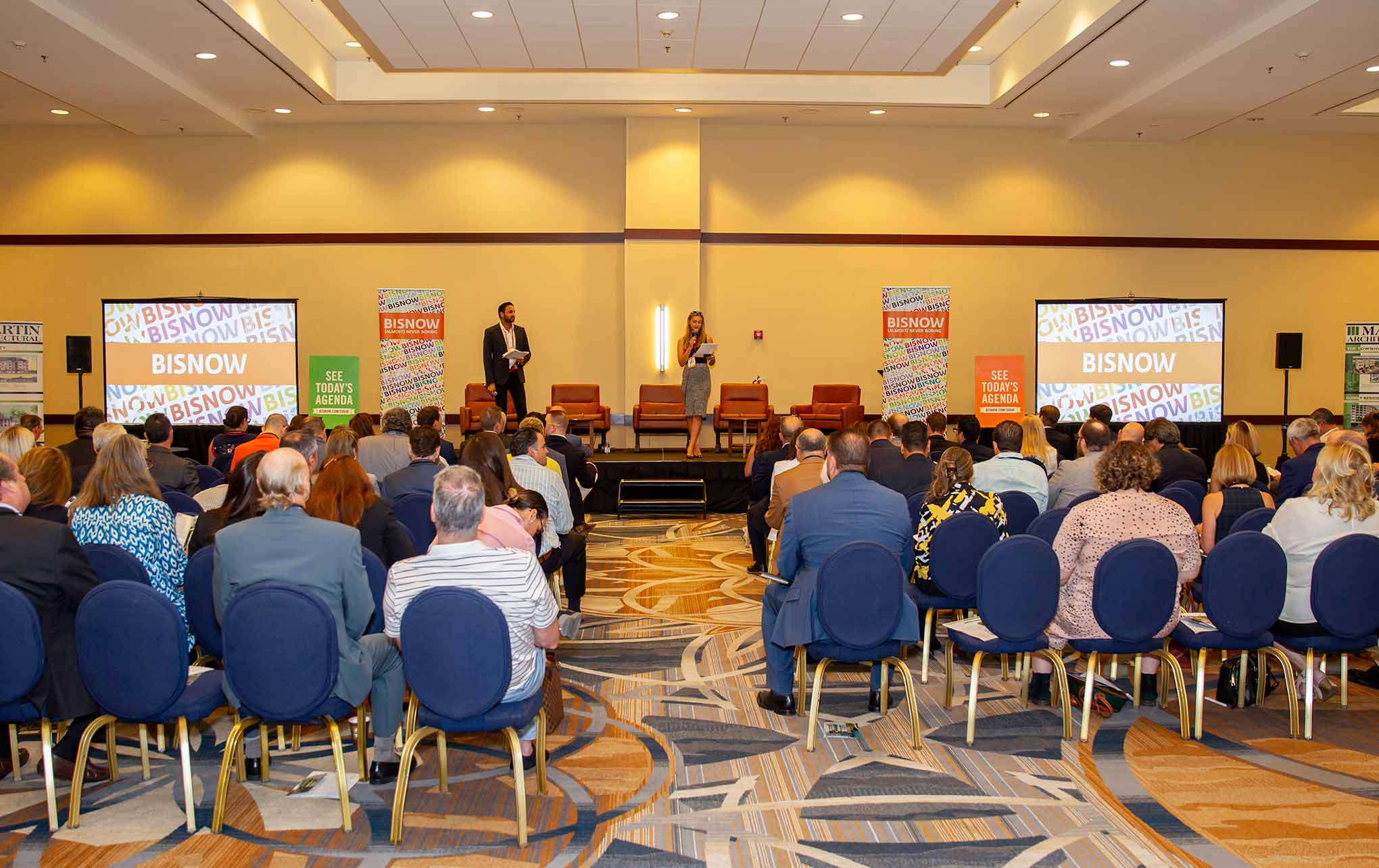
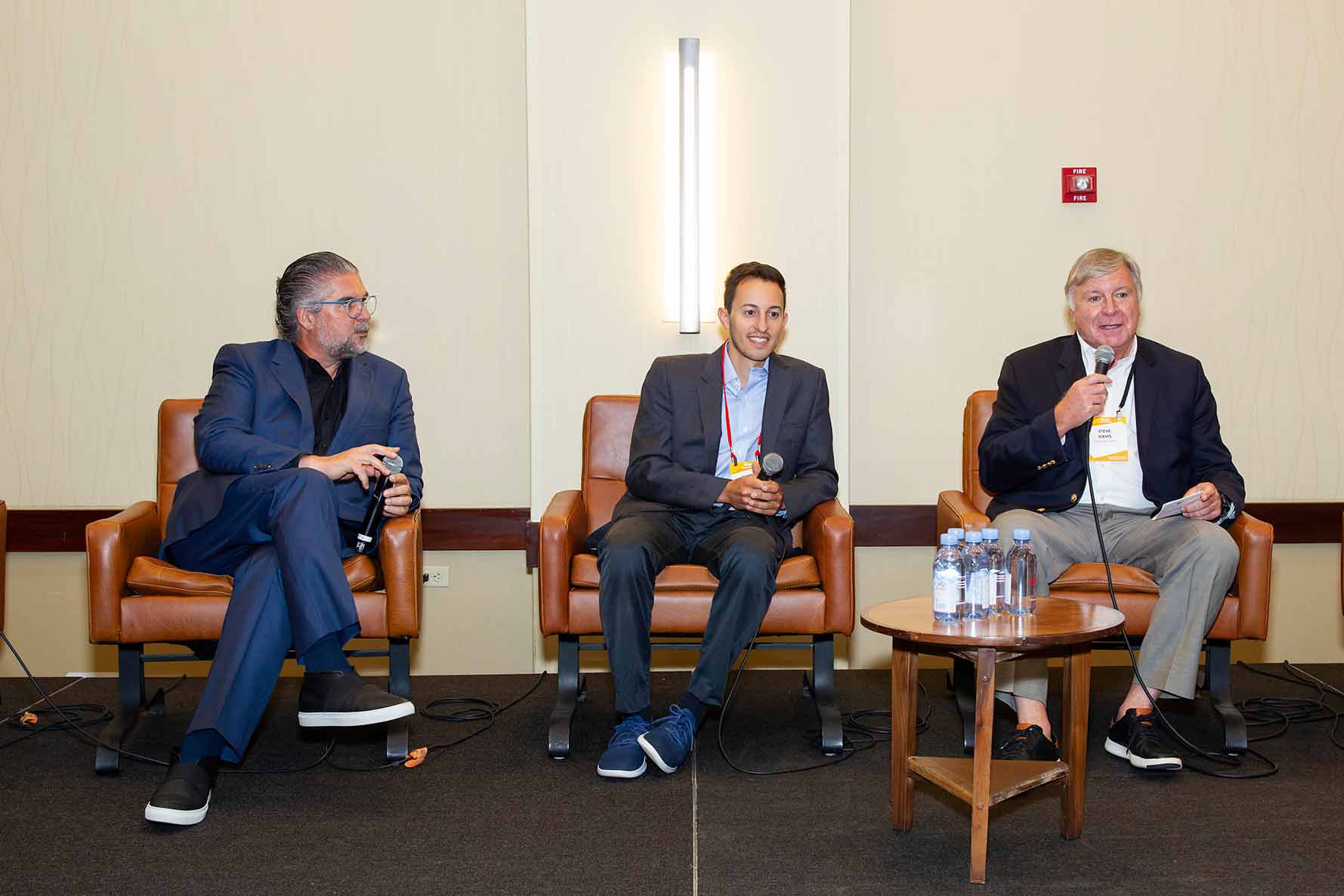
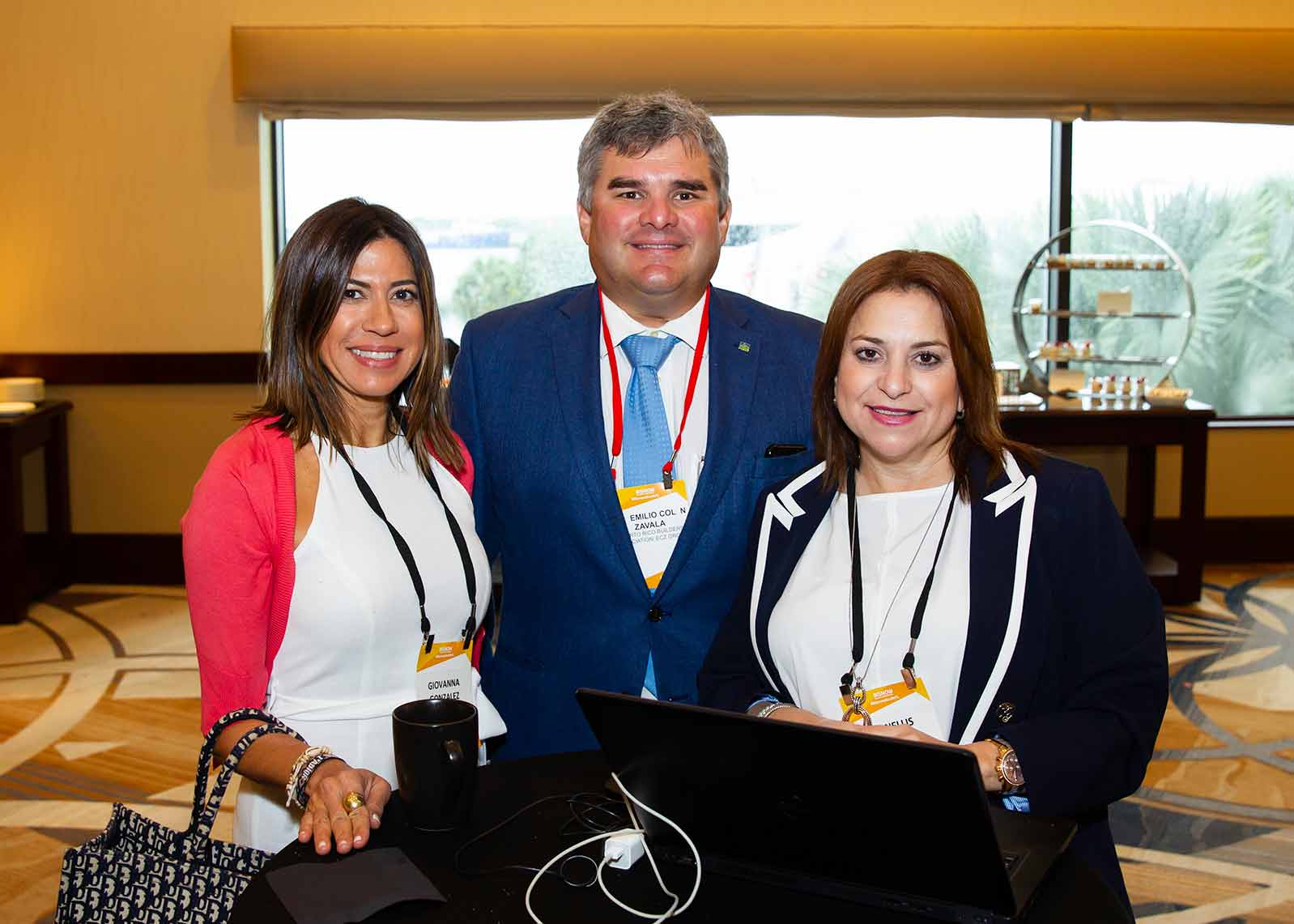
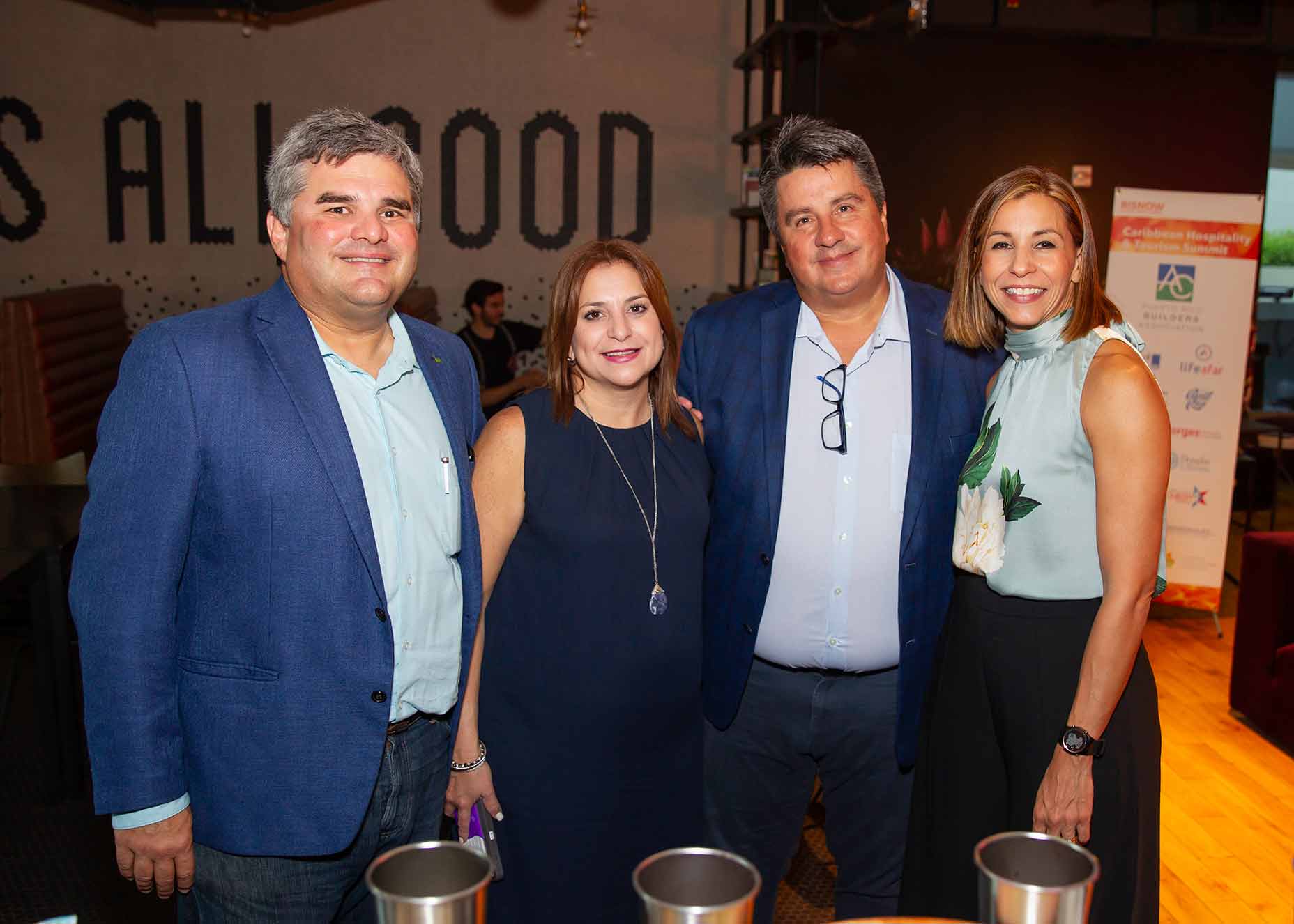
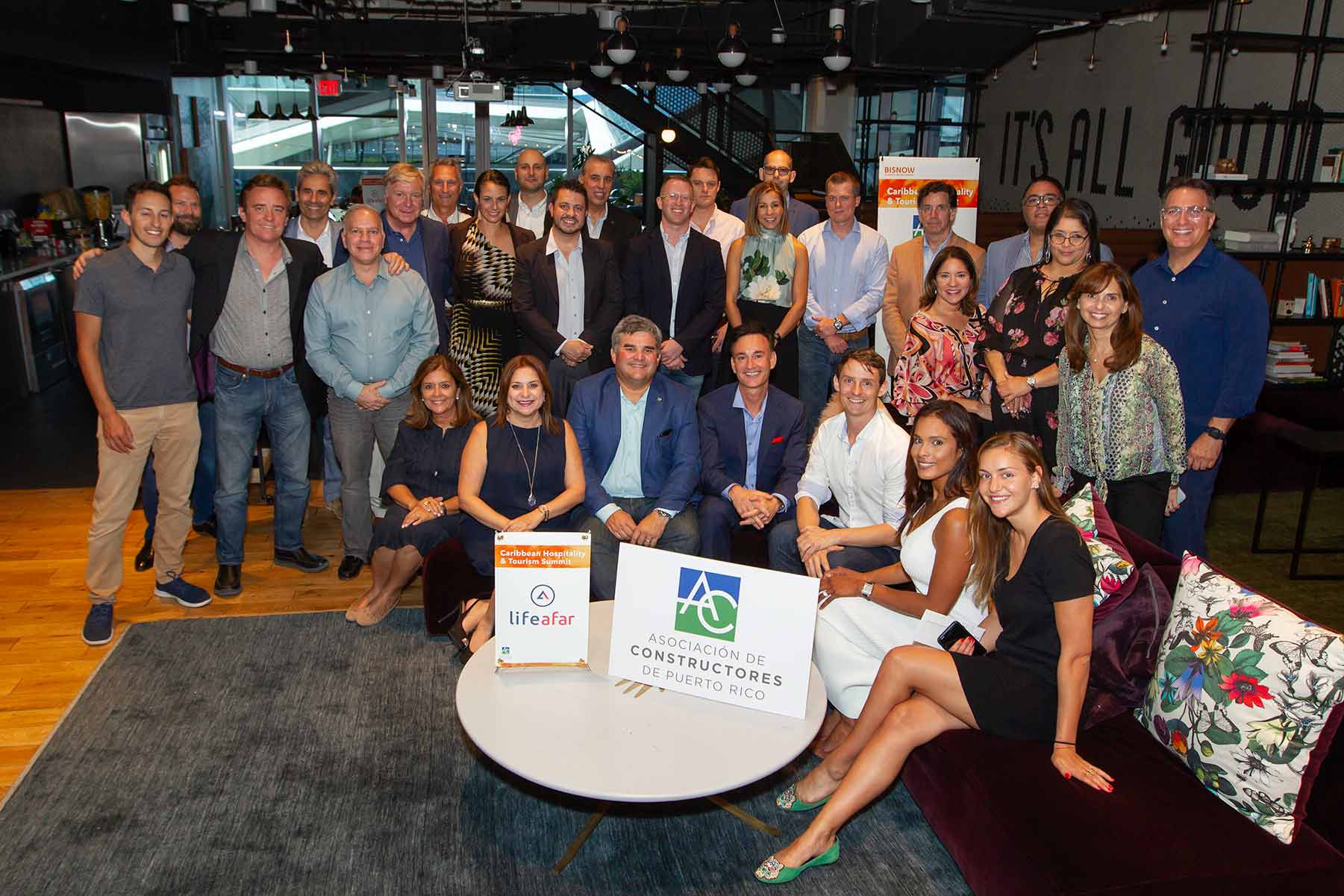
October 1, 2019, New York City– The Puerto Rico Builders Association takes a big bite of the Big Apple at the 2019 Bisnow National Real Estate Finance Summit. The National Real Estate Finance Summit is one of the most esteemed, high-level, and best attended event in the nation. This year was no exception with over 300 attendees from finance, capital markets, financial advisory, private equity, and real estate.
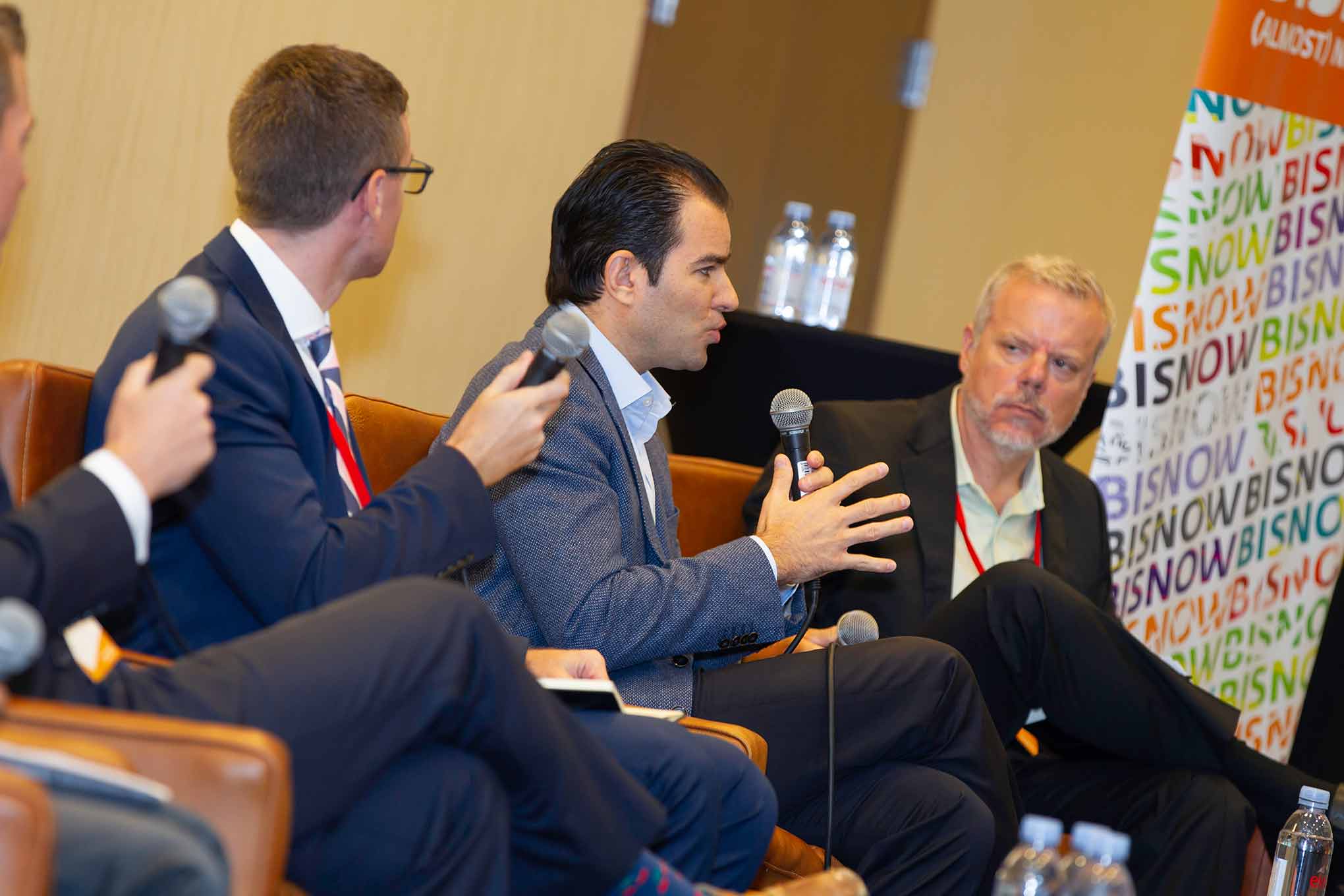
The Puerto Rico panel included Ing. Emilio Colón Zavala, President of the Puerto Rico Builders Association/ ECZ Group, Eric Berman, Chief Investment Officer at Lifeafar, Jorge Ruiz-Montilla, Capital Member and Chairman of the Real Estate & Finance Practice Group at MCconnell Valdes, Philip Carroll, Director of Finance at Royal Palm Companies and Adam Greenfader, Managing Partner of AG&T.
Ethan Penner, best known for creating the CMBS market, key noted the event with insight on “high conviction investment themes.” The Puerto Rico panel drew much interest at the Finance Summit. “We were impressed to hear from the leaders of the financial markets in New York that they see Puerto Rico as a great opportunity, explained Emilio Colón Zavala. With less than 7% tourism GDP, there is room for 15,000 more hotel keys.’
Philip Carroll of Royal Palm Companies , concurred with the assessment of hospitality demand and explained some of the island’s competitive advantages in Puerto Rico including the ability to leverage Tourism Tax credits with Opportunity Zone incentives. Royal Palm is currently developing a 1,000 key hotel and marina resort on the island.
Pictured Left to Right: Adam Greenfader, Emilio Colon Zavala, Philip Caroll, Marcial Diaz
The panel received multiple questions throughout the presentation. Of particular interest, was the level of detail and financial sophistication about Act 20/22. Jorge Ruiz-Montilla explained some of the benefits of the laws and highlighted the island’s economic and political stability.
When asked, “Why now, why invest in Puerto Rico today”, the consensus of the group was clear…the numbers speak for themselves. “Puerto Rico posted positive economic growth in 2019 and is forecasting a 2.5% GDP for 2020. We clearly hit bottom and with Billions of CDBG-DR money coming to the island in the next few years, the time is now”, quoted Adam Greenfader, who moderated the Panel.
Lifeafar, a real estate investment and hospitality firm, recently expanded their operations from Medellin, Colombia to Puerto Rico. “Puerto Rico is a place you can make a real change. Our investors want to make a good return on investment but also know they are helping to make a difference”, quoted Eric Berman.
For decades, the Caribbean has been recognized as one of the world’s premier tourism destinations. Today, it is emerging as one of the most compelling regions for hospitality investment, infrastructure development, and long-term capital deployment. At the center of that transformation is Puerto Rico—a market whose financial renaissance is helping redefine investment across the Caribbean.
At AG&T, we have had the privilege of participating in that evolution for more than three decades.
As a Caribbean real estate development and capital advisory firm, our mission extends well beyond individual transactions. We have worked to strengthen the economic ties between Puerto Rico, the U.S. mainland, and the broader Caribbean by bringing together developers, lenders, institutional investors, hospitality brands, family offices, government agencies, and industry leaders. We believe that successful hospitality markets are built on relationships, collaboration, and confidence in long-term investment.
This philosophy has guided AG&T’s partnerships with organizations such as the Puerto Rico Builders Association, the Urban Land Institute, Bisnow, hospitality conferences, investment forums, and numerous public and private initiatives designed to showcase the Caribbean as a world-class destination for investment as well as tourism.
One such milestone was the Puerto Rico Builders Association’s conference, where AG&T organized and moderated a discussion on the future of development finance featuring senior executives from FirstBank, the Economic Development Bank of Puerto Rico, and Acrecent Financial. While the conversation centered on financing new construction, it reflected something much larger: Puerto Rico’s financial sector was entering a new era, creating opportunities not only for the island, but for hospitality and real estate investment throughout the Caribbean.
Looking back today, that conversation marked the beginning of a broader transformation.
Puerto Rico has emerged from years of fiscal restructuring with renewed financial stability, strengthened institutions, and a growing ecosystem of capital providers. Traditional banks have returned to construction lending, private credit has expanded, institutional investors are increasingly active, and billions of dollars in federal investment have accelerated infrastructure modernization. Together, these developments have created one of the strongest investment environments the island has experienced in decades.
The implications extend far beyond Puerto Rico.
Hospitality has always been one of the Caribbean’s most important economic engines. Across the region, demand for luxury resorts, branded residences, mixed-use destinations, marinas, wellness communities, and experiential travel continues to grow. Meeting that demand requires sophisticated capital markets, experienced development partners, and trusted financial institutions.
Puerto Rico’s financial resurgence is helping create that foundation.
As capital markets mature and investor confidence grows, the island increasingly serves as a gateway for institutional investment into the Caribbean. International hotel brands, private equity firms, family offices, lenders, and developers are viewing the region with renewed optimism, supported by stronger financial structures and improved access to capital.
At AG&T, we have worked to help build those connections.
Through partnerships with organizations such as Bisnow, the Urban Land Institute, the Puerto Rico Builders Association, and numerous hospitality and investment organizations, we have organized conferences, investor forums, educational programs, and networking events that connect mainland U.S. capital with Caribbean opportunities. These initiatives are designed not simply to promote projects, but to foster meaningful dialogue between investors, public officials, hospitality leaders, financial institutions, and developers.
Our objective has remained remarkably consistent: position Puerto Rico and the Caribbean as globally competitive destinations for investment, innovation, and sustainable economic growth.
The Caribbean hospitality sector is entering a defining period. Record tourism, expanding airlift, increasing demand for luxury accommodations, resilient infrastructure, and growing interest from global investors are reshaping the region’s development landscape. At the same time, public-private partnerships, innovative financing structures, and collaborative leadership are creating opportunities that would have been difficult to imagine only a decade ago.
Economic transformation does not occur in isolation. It is the product of sustained collaboration among governments, financial institutions, developers, investors, and industry organizations that share a common vision.
Puerto Rico’s financial renaissance is strengthening not only the island’s economy, but also the future of Caribbean hospitality.
At AG&T, we are proud to continue serving as a bridge between Caribbean opportunity and global capital—helping build the relationships that will shape the region’s next generation of hospitality and real estate development.
A Landmark Puerto Rico Transaction: The Making of Hyatt Regency Grand Reserve
In 2019, one of the defining Caribbean hospitality transactions of the post-Maria recovery era was announced from the stage of the 41st NYU International Hospitality Industry Investment Conference by the Governor of Puerto Rico himself.
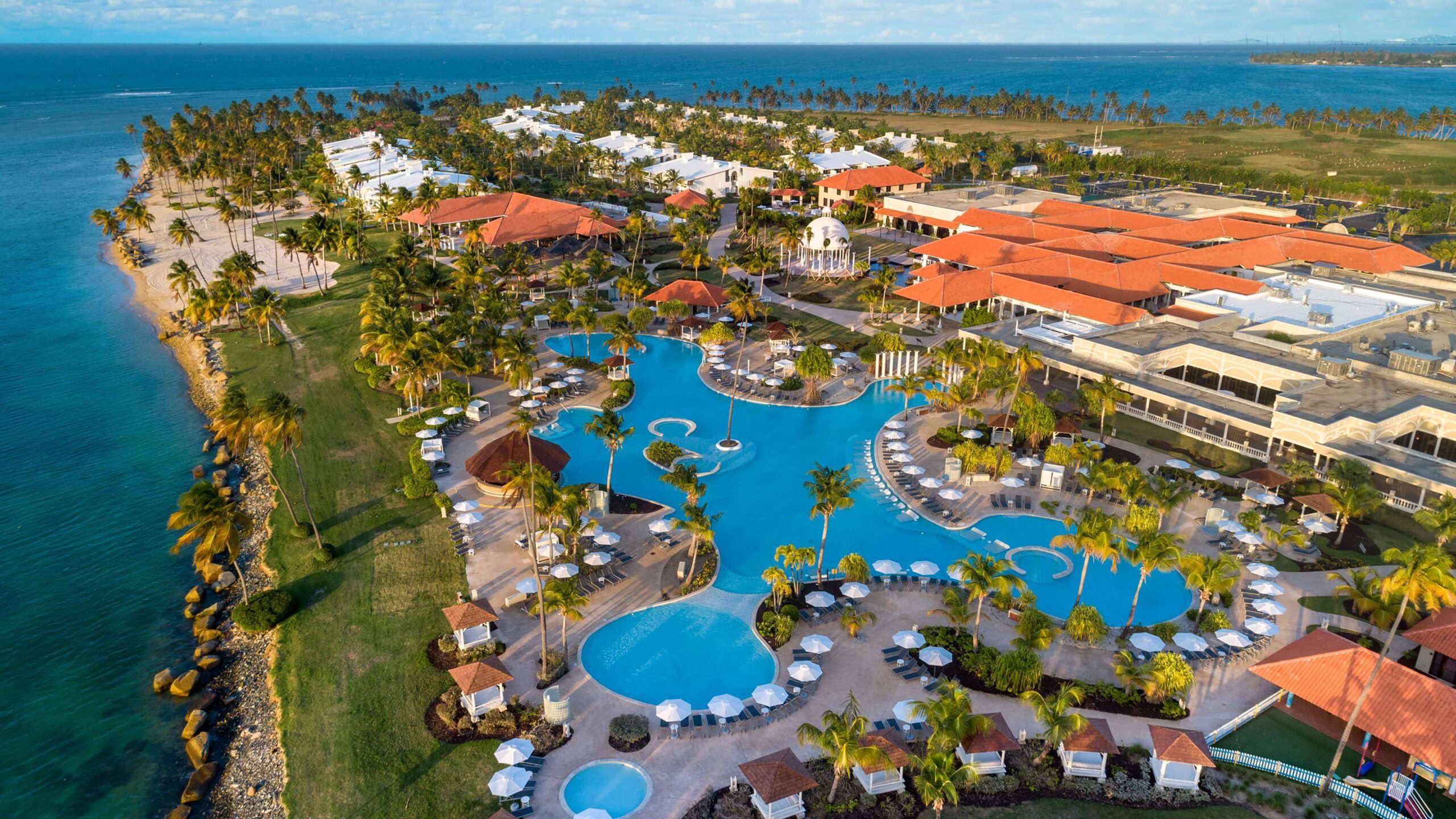
The sale of the former Gran Meliá Hotel to a partnership led by Monarch Alternative Capital, together with Royal Palm Companies and Aimbridge Hospitality, and its rebranding as the Hyatt Regency Grand Reserve marked one of the largest institutional hospitality investments in Puerto Rico’s modern history — and one of the earliest signals that global capital was returning to the island.
AG&T advised on the transaction.
Anatomy of the Deal
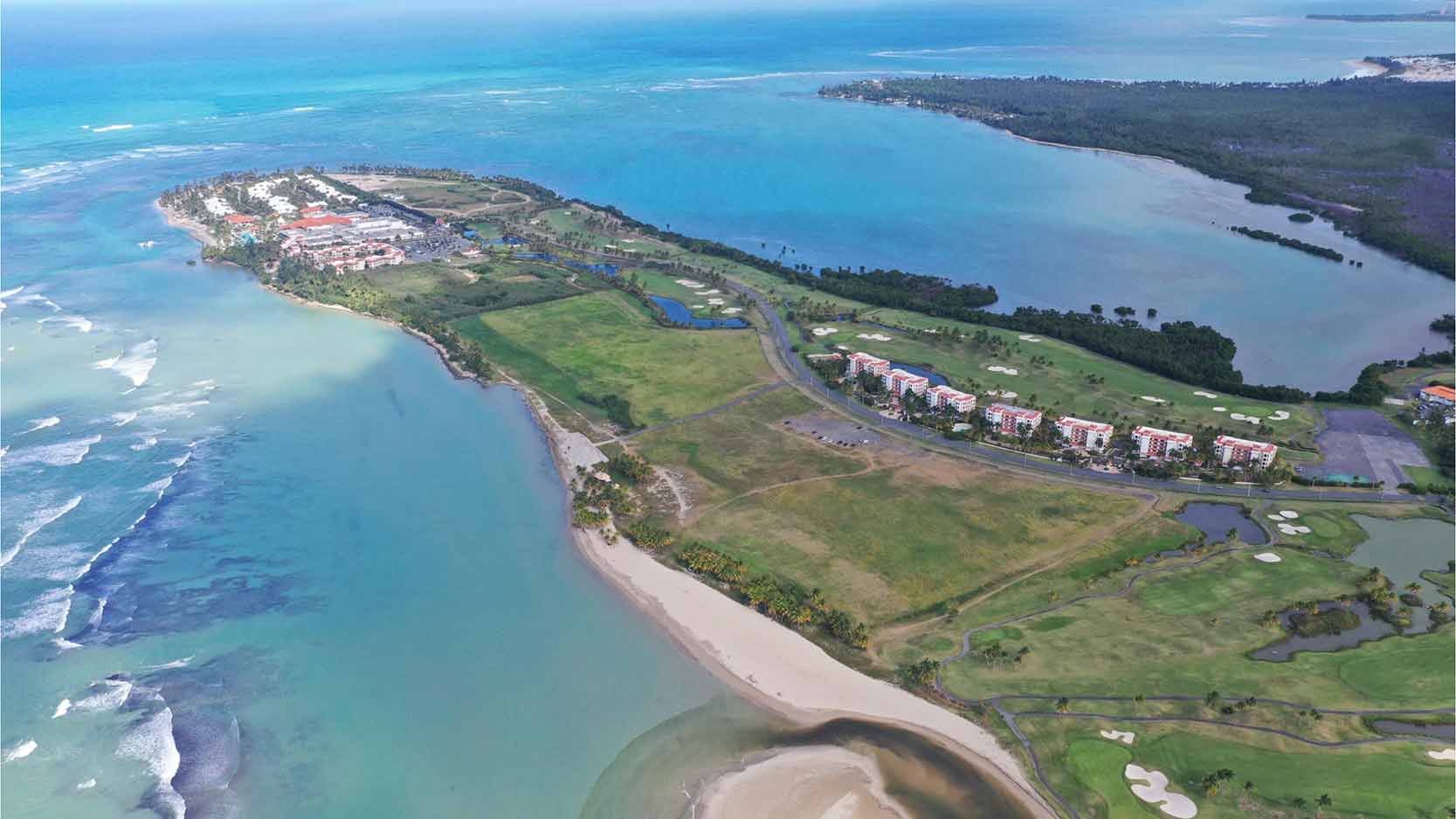
The $120 million transaction repositioned a 486-key luxury property with 135 bedroom units and 14 additional acres of developable land — part of the Grand Reserve (formerly Coco Beach) peninsula in Río Grande.
The capital structure combined:
Institutional equity from Monarch Alternative Capital
Development expertise from Royal Palm Companies
Operational scale from Aimbridge Hospitality
Global brand alignment with Hyatt Regency
Puerto Rico Tourism Company tax credits under the Puerto Rico Tourism Development Act (Act 74-2010)
Opportunity Zone benefits under the U.S. Tax Cuts and Jobs Act of 2017 — for which nearly all of Puerto Rico qualifies
Of the total investment, approximately $100 million was earmarked for renovation and repositioning to Hyatt’s luxury standards.
Beyond a Single Asset
What made the transaction significant was not its scale alone.
It was announced as Phase One of a ten-year master plan — one that would ultimately deliver six hotels, approximately 2,500 new hotel keys, and 1,500 new jobs across the Grand Reserve peninsula. Total planned investment: $1.5 billion.
At a time when many investors were still cautious about Puerto Rico following Hurricane Maria, Monarch’s willingness to double down — expanding its existing interests in the peninsula rather than exiting — sent a clear signal to the broader institutional community.
The Governor’s remarks at the NYU Conference reinforced the message: “Transactions such as these validate that our commitment to tourism is a successful one, and there is a positive environment for investment.”
Why This Transaction Mattered
The Hyatt Regency Grand Reserve deal represented several important firsts for Puerto Rico:
The first major post-Maria institutional hotel acquisition at scale
The first Puerto Rico transaction combining Act 74 tax credits with Opportunity Zone incentives — a capital stack that has since become a template for the region
The first Hyatt Regency in Puerto Rico, elevating the island’s brand standing among global travelers and allocators alike
For AG&T, transactions of this nature reflect our long-held conviction: Caribbean real estate matures when institutional capital, global operators, disciplined development, and government partnership align around long-term vision.
AG&T’s Perspective
We rarely discuss individual transactions publicly. But the Hyatt Regency Grand Reserve deal — announced on one of the industry’s largest stages, by a sitting Governor, involving some of the most respected names in institutional real estate — has become part of the public record of Puerto Rico’s hospitality recovery.
Seven years later, it stands as a marker of what became possible when patient capital, sophisticated developers, and forward-looking government partners committed to the island’s long-term future.
The playbook it established — combining federal Opportunity Zone benefits, Puerto Rico’s tourism incentives, institutional equity, and global operational partners — has since become a foundation for how the most sophisticated Caribbean hospitality transactions are structured today.
At AG&T, our role is quiet by design. But conviction about the Caribbean’s institutional future is not.
AG&T is a Caribbean real estate capital advisor founded in 1998. Principal-led, AG&T has been involved in over 55 development projects across Puerto Rico, Sint Maarten, Costa Rica, the Dominican Republic, and other Caribbean markets — connecting institutional capital with regional opportunity. Contact us to discuss Caribbean hospitality transactions and capital structuring.
The New Reality of Climate Risk: How the Insurance Industry Is Reshaping Caribbean Development
The Caribbean has always lived with hurricanes. What has changed is not the storms — it is how insurance markets, catastrophe modelers, lenders, and institutional investors evaluate the risk.
In the years following Hurricanes Irma and Maria in 2017, insurers and reinsurers fundamentally recalibrated how they assess climate exposure across the region. The consequences of that recalibration are now shaping how Caribbean real estate, hospitality, and infrastructure projects get financed, insured, and built.
In this interview with AM BestTV during the RMS Exceedance Conference in Miami, Adam Greenfader, Chairman of AG&T, discussed what this shift means for developers, allocators, and the future of Caribbean development.
A New Era of Catastrophe Modeling
The change that matters most has happened quietly, behind the scenes.
Insurance companies no longer rely on historical storm data alone. Modern underwriting uses high-resolution climate modeling, predictive analytics, flood and storm surge simulation, and forward-looking climate scenarios that evaluate individual assets with unprecedented precision.
The implication: climate risk has become measurable — and measurable risk is influential risk.
Underwriters and reinsurers now sit alongside institutional lenders and equity investors in shaping which projects get built, at what cost of capital, and under what terms.
The Rules Are Changing
The standards that governed Caribbean construction two decades ago may no longer serve projects entering planning today.
Climate scientists continue to document stronger hurricanes, more rapid storm intensification, heavier rainfall, higher storm surges, and storms that hold destructive strength longer than they used to. While the official Saffir-Simpson scale still stops at Category 5, researchers have begun asking whether an additional classification will be needed as wind speeds continue to exceed historical benchmarks.
Whether or not a formal Category 6 is ever adopted, the underlying message is already clear:
Projects designed to yesterday’s standards will not meet tomorrow’s underwriting.
Resilience as an Investment Strategy
The insurance industry has begun rewarding resilient design with better economics.
Projects incorporating stronger building envelopes, elevated finished-floor levels, impact-resistant materials, redundant utility systems, flood mitigation, backup power, and nature-based resilience strategies are increasingly attractive to insurers, lenders, and institutional investors.
These investments improve insurability, reduce long-term operating costs, and enhance asset value.
Resilience has moved from being a construction expense to being a financial input — one that materially affects returns.
Beyond Building Codes
Meeting current code is no longer the finish line.
Forward-thinking owners are designing beyond minimum standards — anticipating higher wind loads, longer-duration storms, greater rainfall intensity, coastal flooding, and the strategic importance of energy independence and infrastructure redundancy.
The question shaping the best Caribbean development projects today is no longer “Does this meet code?” but “How will this asset perform in 2050?”
That shift in framing — from present compliance to long-horizon performance — is quietly redefining what “institutional-grade” means in the region.
Implications for the Caribbean
For island economies dependent on tourism and hospitality, the stakes are exceptional.
Hotels, resorts, marinas, airports, residential communities, and critical infrastructure must now demonstrate their ability to withstand climate conditions that did not exist when many existing assets were designed.
Projects that fail to adapt face higher insurance costs, more restrictive financing, or reduced investor interest. Projects that get resilience right are increasingly viewed as lower-risk, more durable, capable of generating stronger long-term returns.
The gap between adaptive projects and legacy projects will widen — and capital will follow the adaptive side of the divide.
AG&T’s Perspective
At AG&T, we believe the insurance industry is quietly driving one of the most important transformations in Caribbean development.
By redefining how climate risk is measured and priced, insurers are pushing developers to rethink not only how projects are built — but how they are planned, financed, and operated across their full life cycle.
The next decade of Caribbean real estate will not be defined by architectural ambition or exceptional locations. It will be defined by resilience — by projects capable of remaining insurable, financeable, and operational through a climate regime that no longer resembles the one we designed for.
Developers who embrace higher design standards, smarter infrastructure, nature-based solutions, and long-term climate adaptation will be better positioned to attract institutional capital and create assets that endure for generations.
The conversation is no longer about recovering after the next storm. It is about building communities capable of thriving despite them.
AG&T is a Caribbean real estate capital advisor founded in 1998. Principal-led, AG&T has been involved in over 55 development projects across Puerto Rico, Sint Maarten, Costa Rica, the Dominican Republic, and other Caribbean markets — connecting institutional capital with regional opportunity. Contact us to discuss climate-resilient development in the Caribbean.
From Ideas to Action: Helping Rebuild Puerto Rico Through ULI Advisory Services
Thought leadership is important…But real leadership is measured by action.
Following the catastrophic devastation caused by Hurricane Maria in 2017, Puerto Rico faced one of the greatest rebuilding challenges in its modern history. Communities across the island were confronted not only with repairing damaged infrastructure and housing, but with a much larger question:
How do we rebuild stronger than before?
Rather than simply discussing resilience from the conference stage, AG&T joined a multidisciplinary team of national experts through the Urban Land Institute (ULI) Advisory Services Program to help answer that question.
Supported by The Kresge Foundation, ULI Southeast Florida/Caribbean, Alvarez-Díaz & Villalón, and the Puerto Rico Builders Association, the Advisory Services Panel traveled to the Municipality of Toa Baja to work directly with local government, business leaders, community organizations, and residents to develop a practical roadmap for long-term recovery and resilience.
Turning Expertise into Action
ULI’s Advisory Services Panels are among the organization’s highest forms of professional service.
Rather than serving as conferences or academic exercises, these panels assemble nationally recognized experts in planning, architecture, engineering, finance, economic development, housing, resilience, public policy, and real estate to solve complex urban challenges.
For one intensive week, the team immersed itself in Toa Baja meeting with local stakeholders, touring neighborhoods, evaluating damaged infrastructure, reviewing economic data, and identifying opportunities that could strengthen the municipality for generations to come.
For AG&T, organizing and participating in the panel reflected a core belief:
Knowledge creates value only when it leads to action.
The Challenge
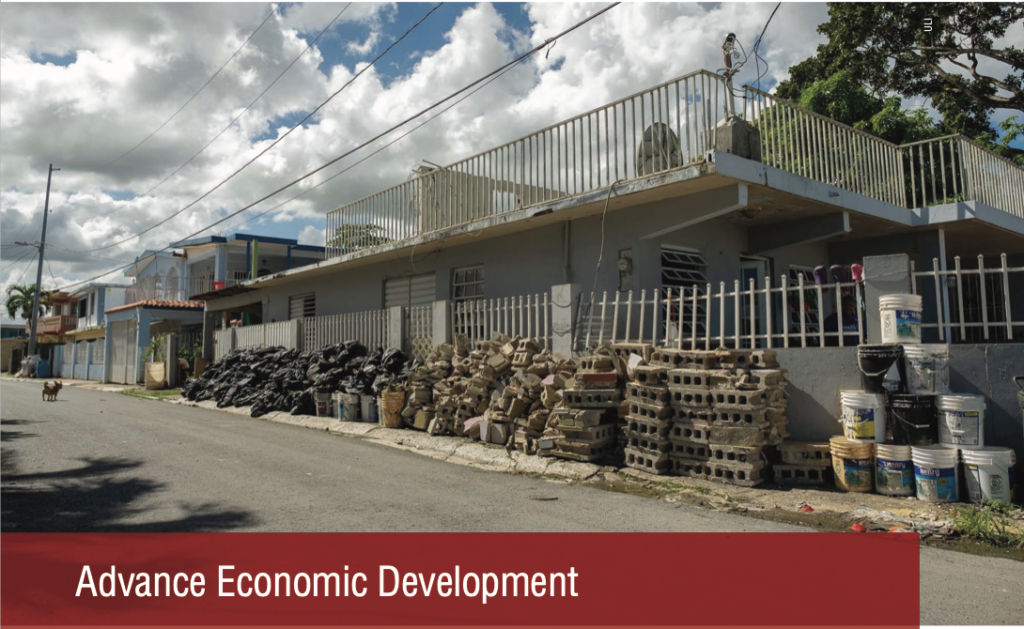
Among Puerto Rico’s municipalities, Toa Baja was one of the hardest hit by Hurricane Maria.
The municipality sustained more than $1.3 billion in damages, with widespread impacts to housing, businesses, transportation infrastructure, utilities, and public facilities.
Its geographic location also made it particularly vulnerable to future flooding, storm surge, sea-level rise, and other climate-related hazards.
The challenge extended well beyond reconstruction.
The objective was to create a strategy for a safer, stronger, and more economically resilient community.
Looking Beyond Recovery
The panel’s recommendations extended far beyond repairing damaged buildings.
Instead, the team examined how resilience could become a catalyst for economic development.
Among the key areas explored were:
Identifying Toa Baja’s long-term competitive advantages within Puerto Rico and the Caribbean.
Strengthening economic drivers capable of creating sustainable employment.
Improving land use planning to reduce exposure to flooding and future storm events.
Integrating resilience into future housing and commercial development.
Leveraging public-private partnerships to accelerate investment.
Creating more efficient land development processes.
Expanding access to resilient housing for residents across all income levels.
Aligning reconstruction efforts with long-term economic growth rather than short-term recovery.
The panel also examined how natural systems, coastal conditions, transportation networks, and infrastructure investments could work together to create a more resilient municipality.
Resilience as Economic Development
One of the panel’s most important conclusions was that resilience should not be viewed simply as disaster preparedness.
Well-designed resilient communities are also stronger economies.
Investments in flood mitigation, resilient infrastructure, modern utilities, housing, transportation, environmental restoration, and thoughtful land planning improve quality of life while making communities more attractive for residents, businesses, investors, and employers.
Today, that philosophy has become increasingly accepted throughout the development industry.
Institutional investors, lenders, insurers, and governments now recognize resilience as a critical component of long-term value creation.
From Recommendations to Lasting Impact
Although the Advisory Services Panel lasted only one week, its influence extended well beyond the final presentation.
The report continues to serve as a strategic resource for municipal planning, resilience initiatives, economic development discussions, and future investment opportunities.
More importantly, it demonstrated what can be achieved when the public sector, private industry, nonprofit organizations, and community leaders collaborate toward a common objective.
The challenges facing island communities require integrated solutions.
No single organization can solve them alone.
AG&T’s Commitment
For AG&T, participating in the Toa Baja Advisory Services Panel reflects the type of work we believe matters most.
Our role extends beyond advising individual developments. We are equally committed to helping strengthen the communities in which those projects exist.
Over the years, AG&T has contributed to numerous initiatives involving the Urban Land Institute, the Puerto Rico Builders Association, universities, government agencies, institutional investors, and nonprofit organizations, all with the shared objective of advancing sustainable economic development throughout Puerto Rico and the Caribbean.
Whether the challenge involves resilience, housing, hospitality, infrastructure, climate adaptation, or economic competitiveness, we believe meaningful progress begins with collaboration.
Because rebuilding communities is about more than replacing what was lost. It is about creating places that are stronger, safer, more prosperous, and better prepared for the future.
That is the kind of work that creates lasting impact.
Investing in the Next Generation of Caribbean Real Estate Leadership
At AG&T, we believe that one of the most important investments we can make is not in a development project, but in the people who will shape the future of our industry.
For many years, AG&T has proudly supported the University of Miami’s Master of Real Estate Development + Urbanism (MRED+U) Program by mentoring graduate students, providing internship opportunities, and exposing future industry leaders to the realities of real estate development throughout the Caribbean.
Our commitment goes well beyond offering a semester internship.
Each year, Adam Greenfader, Chairman of AG&T, personally mentors a graduate student, providing direct exposure to every aspect of the development process, from market analysis and capital structuring to hospitality development, public-private partnerships, investment strategy, and project execution. Interns are encouraged to participate as members of the AG&T team, working alongside developers, investors, architects, hotel operators, government officials, and financial institutions on active assignments across the Caribbean.
Many have had the unique opportunity to travel throughout the region, gaining firsthand experience in destinations including Puerto Rico, Sint Maarten, the Dominican Republic, and other Caribbean markets. Rather than learning solely through case studies, they experience the complexities of island development, hospitality investment, infrastructure planning, and capital markets in real time.
This philosophy is deeply personal.
Adam Greenfader’s own professional journey was profoundly influenced by his education in the Master of Real Estate Development program at the University of Southern California. The interdisciplinary approach of combining finance, planning, design, development, and public policy provided the foundation for a career spanning more than three decades and over fifty-five development projects throughout the Caribbean.
Having benefited from exceptional mentors early in his career, Adam has made it a priority to provide similar opportunities for the next generation.
Over the years, AG&T interns have gone on to build successful careers with leading development companies, investment firms, hospitality organizations, lenders, and advisory firms throughout the United States and the Caribbean. Several have remained active collaborators with AG&T long after completing their internships, reflecting relationships that extend well beyond a single academic semester.
The internship program is also a reflection of AG&T’s broader mission.
As a Caribbean real estate development and capital advisory firm, we believe the future of the region depends on cultivating talented professionals who understand both the global capital markets and the unique opportunities and responsibilities of developing within island economies. Technical skills are essential, but equally important are curiosity, integrity, collaboration, cultural awareness, and a long-term commitment to creating places that strengthen communities.
Each new class brings fresh perspectives, diverse backgrounds, and innovative ideas that challenge all of us to think differently about the future of real estate.
This year’s University of Miami MRED+U cohort is no exception.
We are excited to welcome another outstanding group of graduate students to AG&T. Representing a remarkable diversity of professional experiences, cultures, languages, and academic disciplines, they embody the global perspective that is increasingly defining our industry. Their curiosity, ambition, and willingness to engage with complex development challenges give us tremendous optimism for the future of Caribbean real estate and hospitality.
The exchange of ideas works both ways. While we hope to share our experience across the Caribbean, our interns continually bring new thinking, emerging technologies, and fresh approaches that enrich our own work. Mentorship is not simply about teaching—it is about learning together.
To this year’s class: welcome to AG&T.
We look forward to working alongside you, challenging you, learning from you, and helping you build the foundation for what we hope will be long and meaningful careers in real estate development.