The repeal of Section 936 resulted in lost manufacturing jobs for the USA and a 15 year economic crisis for Puerto Rico.
As we sit today in the middle of a world pandemic, a few things seem certain. COVID 19 is a health crisis that has forever changed our relationship with globalism. It is time for a new understanding of how manufacturing keeps us all safe. This is especially true of the pharmaceutical industry. With shortages of basic supplies, medicines and protective gear, is it time to bring critical manufacturing back to the United States?
In this AG&T Thought Leadership conversation, we speak with economics professor Zadia Feliciano (see bio)of Queens College and explore the consequences for the USA and Puerto Rico of eliminating the manufacturing tax incentives – Section 936.
Unfortunately, the elimination of Section 936 helped push critical manufacturing AWAY from the USA. Critical manufacturing left Puerto Rico (USA) and sought cheaper markets in Mexico, Ireland, Latin America and China.
Moving Forward.
The Food and Drug Administration has for some time been expressing concern that the United States is too dependent on China within the medical supply chain. Puerto Rico has 49 FDA-approved pharmaceutical plants in place, and produces not just one quarter of all U.S. pharmaceutical exports, but also significant amount of medical devices.
Puerto Rico’s manufacturing industry is in need of support, but is also in a position to blossom, similar to other areas of the country that used to have a strong manufacturing base. In the area of pharmaceuticals, Puerto Rico has the advantage of an educated workforce and many people experienced in the industry. Puerto Rico produces 25% of the pharmaceuticals exported by the United States. This is more than any State. The Island has the cold chain logistics for pharmaceuticals in place. The learning curve would be lower for Puerto Rico than for many other U.S. regions. The time to act is now.
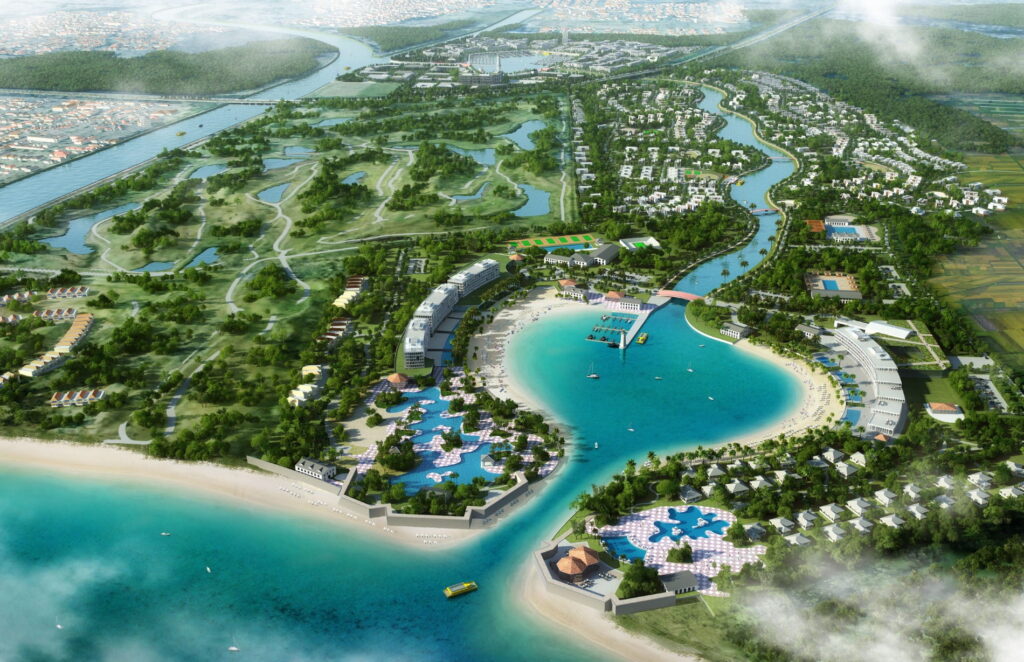
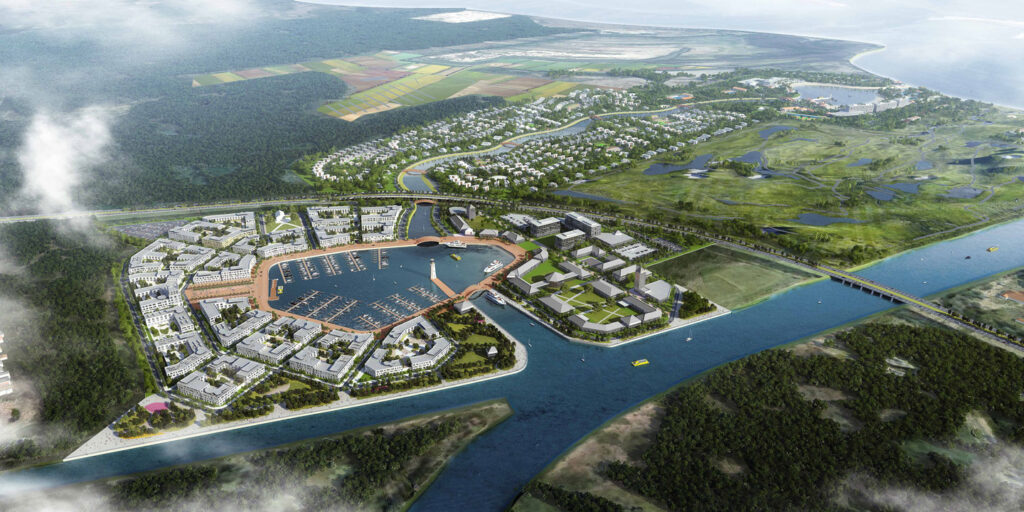
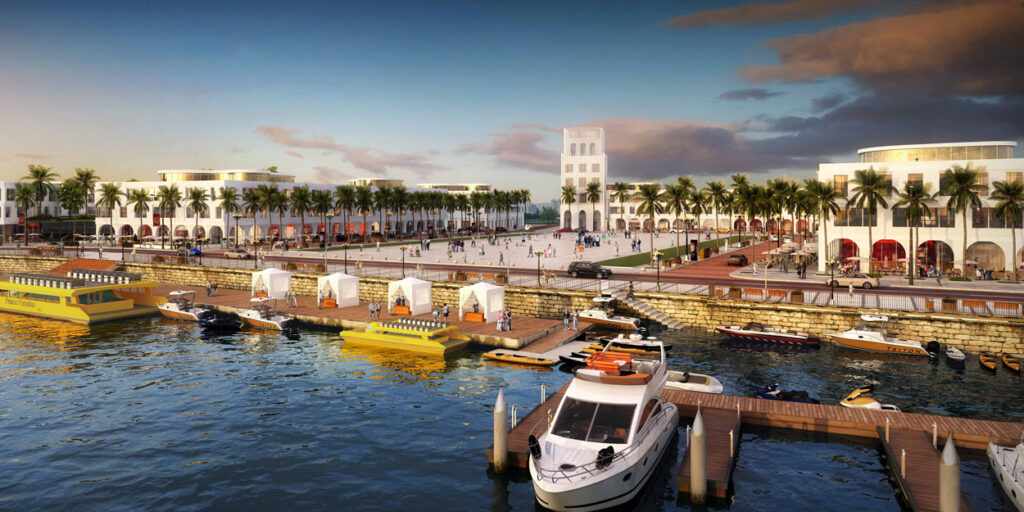
PONCE, PUERTO RICO—Ponce Paradise—a 900-acre resort, healthcare village and marina located here—is giving guests all the conveniences and amenities of mixed-use, but with a twist.
Adam Greenfader, managing partner, AG&T, the development firm behind Ponce Paradise, said, “There is a trend in hospitality development for travelers searching for a destination that offers a wellness package or amenities.”
Conceptualized by LandDesign and Winstanley Architects & Planners along with AG&T, the teams consulted engineering and aquatic architecture professionals to make the vision a reality, bringing together a mixed-use development and a wellness destination.
“Economies of scale seem to indicate mixed-use projects will be getting larger. The live-work-play concept is really taking hold as more people want to be in the center of it all,” Greenfader said.
Ponce Hospital and Wellness City
Still in its early design and community involvement phase, Ponce Paradise will comprise a hotel and spa, wellness community, farm-to-table agricultural setup, a micro-grid, residential neighborhoods, a town square and a university medical center, with a total investment of approximately $1 billion.
Specifically, the 166-acre Wellness City will have research, university and care facilities, which will include a branded hospital, rehabilitation centers, outpatient, recovery rooms, assisted living facilities, nursing home, short-term residential units and condominiums. The wellness lagoon will have restaurants and retail, and a plaza will be home to a worship center, park and entertainment venue.
The development will not only promote health and wellness but sustainability as well. About 60% of the site is untouched and will remain in its natural state, according to the Puerto Rico Conservation Easement Law. Additionally, the developed area has acres of green space, waterways and parks.
“Wellness tourism has been estimated as a $563 billion industry in 2018,” Greenfader said. “Puerto Rico is ideally situated to capture a large part of this market due to its central location, airlift and cruise traffic, U.S. medical doctors and great infrastructure.
“There are many medical treatments that can be done in Puerto Rico for a fraction of the cost—and you get to enjoy an amazing Caribbean vacation experience,” he added.
There are, of course, some challenges. “Less than 7% of Puerto Rico’s GDP is tourism based. For a Caribbean island with great beaches, people and infrastructure, this in incredibly low. The city of Ponce, in particular, has a convention center, port and airport that are highly underutilized,” Greenfader said, highlighting the project’s necessity.
He said the first challenge is to get the Municipality of Ponce and the Fiscal Board controlled by the U.S. Congress to fully use its assets. The second challenge—which is common in any large mixed-use project—is to provide the right combination of uses.
“The last challenge is financing,” he said. “In Puerto Rico, there are $20 billion of Community Development Block Grants for Disaster Relief. We trust some of that will be allocated to critical projects such as Ponce Paradise.”
Following meetings with the municipality, major medical associations, cruise lines and community leaders—each with their own concerns—Greenfader is confident that they will be able to address each group while also honoring Ponce’s natural surroundings.
Master Plan for Wellness City and Hospital
“Our job as project sponsors is to balance the concerns of each group with the stewardship of the environment,” he said. “The project must make economic sense but also be a valuable contributor to the local region, protecting and enhancing natural assets.”
Greenfader said that as hospitality as a whole faces its own challenges, differentiators like mixed-use developments are gaining more momentum.
“Airbnb and other disruptors have proven that the market is changing and that guests are seeking new experiences. Budget allocations, the desire to be together in large groups and ease of booking a reservation are just a few reasons the hotel industry is adding more residential units,” he said.
According to Greenfader, residential space generates revenue that can assist with the financing capital stack, while also creating a rental pool of additional units for the high seasons.
Ponce Paradise plans to offer three residential options: single-family homes, smaller vacation rentals and affordable “shotgun-style” housing, all with their own facilities and security.
Its attention to health, however, is the real differentiator, with nature serving as both the basis for its design and Ponce Paradise’s mantra.
“Everyone realizes that wellness is holistic; we don’t just treat the physical but the whole mind, body and spirit,” Greenfader said. “Doctors know that a patient’s success rate is often a result of a positive mental attitude. A cold, sterile room doesn’t necessarily lend itself to great health. Great architecture, beautiful landscaping, water vistas, amazing smells, community, etc., can make the difference between success and failure in a person’s treatment.”
Wellness extends far beyond simple offerings here. “Doing yoga with goats may not prove to have ‘legs,’ but resort wellness has just begun to take off. The reasons are simple: Industrialized nations are getting older, people are living longer, and with two billion new tourists coming from India and China, there are many more potential people for this market niche,” he said. “Some experts say the wellness resort industry is expected to double within the next 20 years and become a $1-trillion industry.”
The sustainability factor is also attracting hoteliers, especially in an area that’s been struck by natural disasters.
“Developers are starting to realize that a weather-related crisis can have a devastating effect on operational risk,” he said. “If a hotel cannot withstand hurricane-force winds, floods and mold, then it will suffer huge downtimes and repairs. In fact, hotels may not ever come back online at all.”
Greenfader said that hotel buyers are now evaluating their portfolios for climate risk and realizing that initially spending 15-20% more in construction costs to make a project resilient and sustainable makes good business sense.
“Developers also realize that if they can stay open during a crisis, their occupancy will be 100% or more,” Greenfader said. “During a relief and rebuilding period, hotels host thousands of relief workers, insurance adjusters and other critical workers. It’s a win-win to be resilient and sustainable.”
This couldn’t be more clear than at the current time, when Puerto Rico is beginning to recover from a series of earthquakes, which Greenfader noted had hit the south particularly hard—especially structures built before 1990, when codes were updated to bolster construction for seismic activity.
“The earthquake reaffirms that a project like Ponce Paradise needs to build a resilient infrastructure into its master plan and be forward-looking in its design,” he said. HB
The Future of Caribbean Tourism: A Conversation That Helped Shape the Next Decade
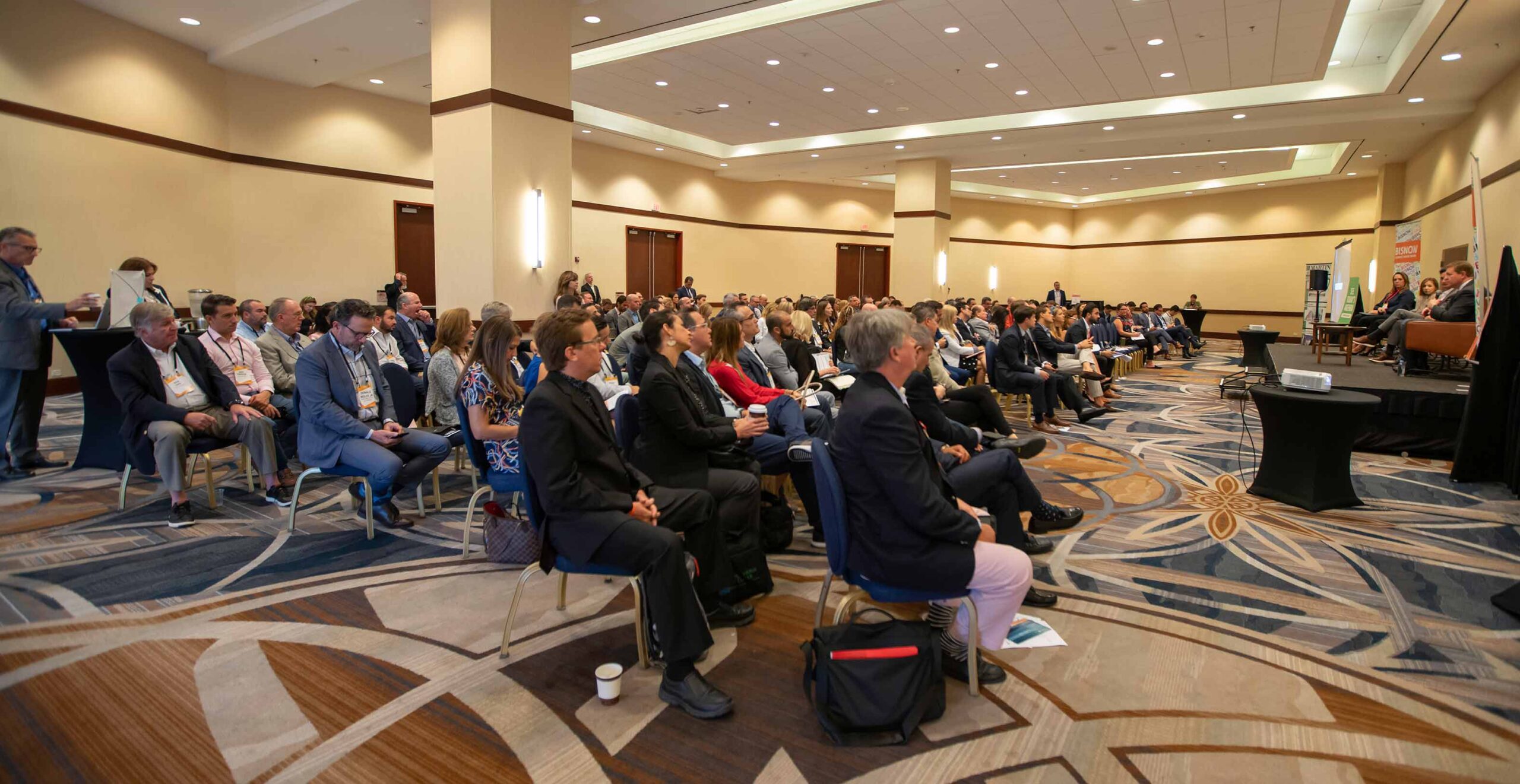
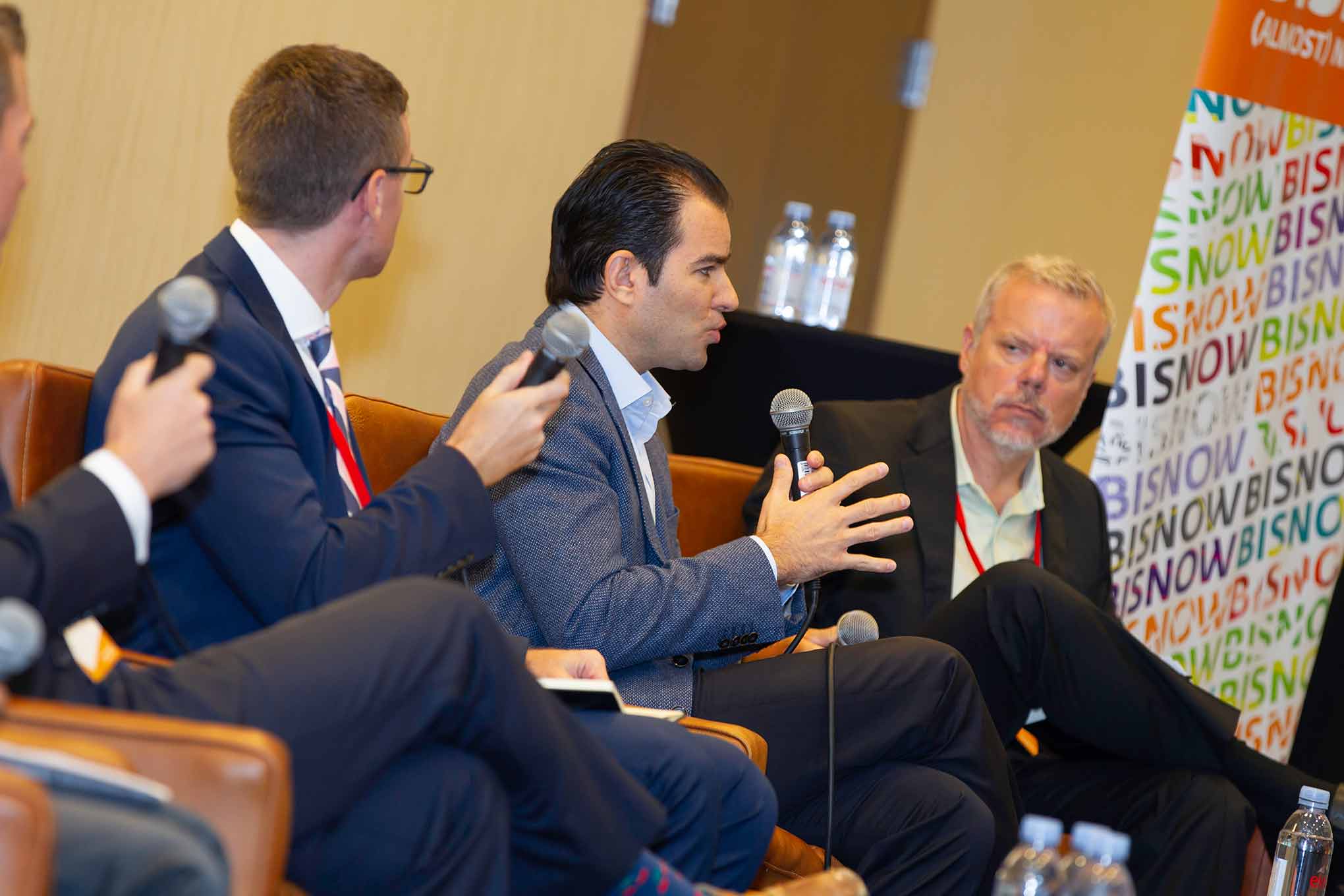
As part of the Puerto Rico Builders Association’s Annual Convention, AG&T Chairman Adam Greenfader moderated a distinguished panel of leaders from government, global hospitality, development, alternative accommodations, and investment to discuss the future of tourism in Puerto Rico and the Caribbean.
The conversation brought together Carla Campos (Puerto Rico Tourism Company), Pablo Maturana (Hilton), Rachel DeLevis (Airbnb), Federico Stubbe (PRISA Group), Federico Sánchez (Grupo Interlink), and Eric Berman (Lifeafar) to explore how Puerto Rico could strengthen its position as one of the Caribbean’s leading tourism and investment destinations. Topics included evolving traveler preferences, hotel development, branded hospitality, airlift, alternative accommodations, public-private collaboration, and the critical role tourism plays in driving long-term economic growth.
Looking Beyond Traditional Tourism
One of the central themes of the discussion was the recognition that tourism was becoming far more than a leisure industry.
Hospitality had evolved into one of Puerto Rico’s most important economic development strategies—supporting construction, infrastructure, transportation, retail, food and beverage, entertainment, healthcare, and entrepreneurship throughout the island.
The conversation emphasized that future competitiveness would depend upon creating differentiated experiences rather than simply increasing hotel inventory.
New Trends Reshaping Hospitality
The panel examined several emerging trends that have since transformed the industry.
Global hotel brands were expanding their presence throughout the Caribbean.
Alternative accommodation platforms such as Airbnb were changing how visitors experienced destinations.
Developers were increasingly focusing on mixed-use communities, branded residences, wellness, experiential travel, and lifestyle-driven hospitality.
The discussion also highlighted the growing importance of airlift, destination marketing, public-private collaboration, and investment in supporting infrastructure—all factors that continue to shape Puerto Rico’s tourism economy today.
Looking Back
In many respects, the themes discussed during this panel proved remarkably prescient.
Since then, Puerto Rico has experienced record tourism performance, expanded international air service, significant new hotel investment, the growth of luxury hospitality, and increased private-sector participation across the tourism ecosystem.
Hospitality has become one of the island’s principal economic drivers, supporting thousands of jobs while attracting billions of dollars in private investment.

AG&T’s Perspective
For more than three decades, AG&T has been committed to advancing conversations that shape the future of Caribbean hospitality.
Whether through the Puerto Rico Builders Association, the Urban Land Institute, CHICOS, Discover Puerto Rico, Bisnow, or numerous investment forums throughout the Caribbean, our objective has remained consistent: bringing together government leaders, developers, investors, hotel brands, financial institutions, and entrepreneurs to explore the ideas that will define the region’s next generation of growth.
Tourism is no longer simply about attracting visitors.
It is about creating resilient destinations, vibrant communities, sustainable economic development, and long-term investment opportunities.
Puerto Rico has demonstrated that when the public and private sectors work together, hospitality can become far more than an industry—it can become a catalyst for economic transformation.
As Puerto Rico continues to strengthen its position within the global tourism marketplace, the conversations that began years ago remain just as relevant today. The difference is that many of the ideas discussed have now become reality.
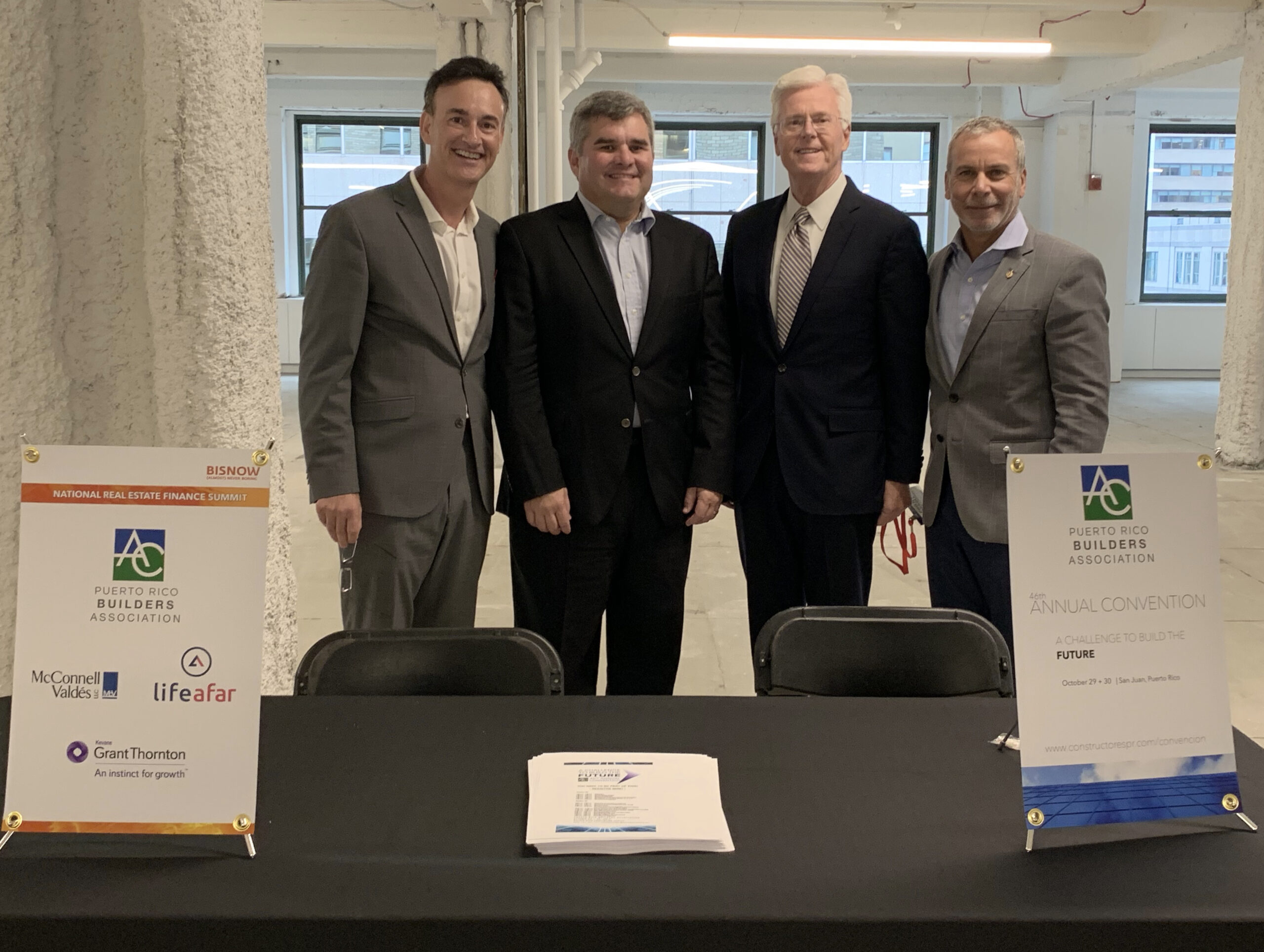
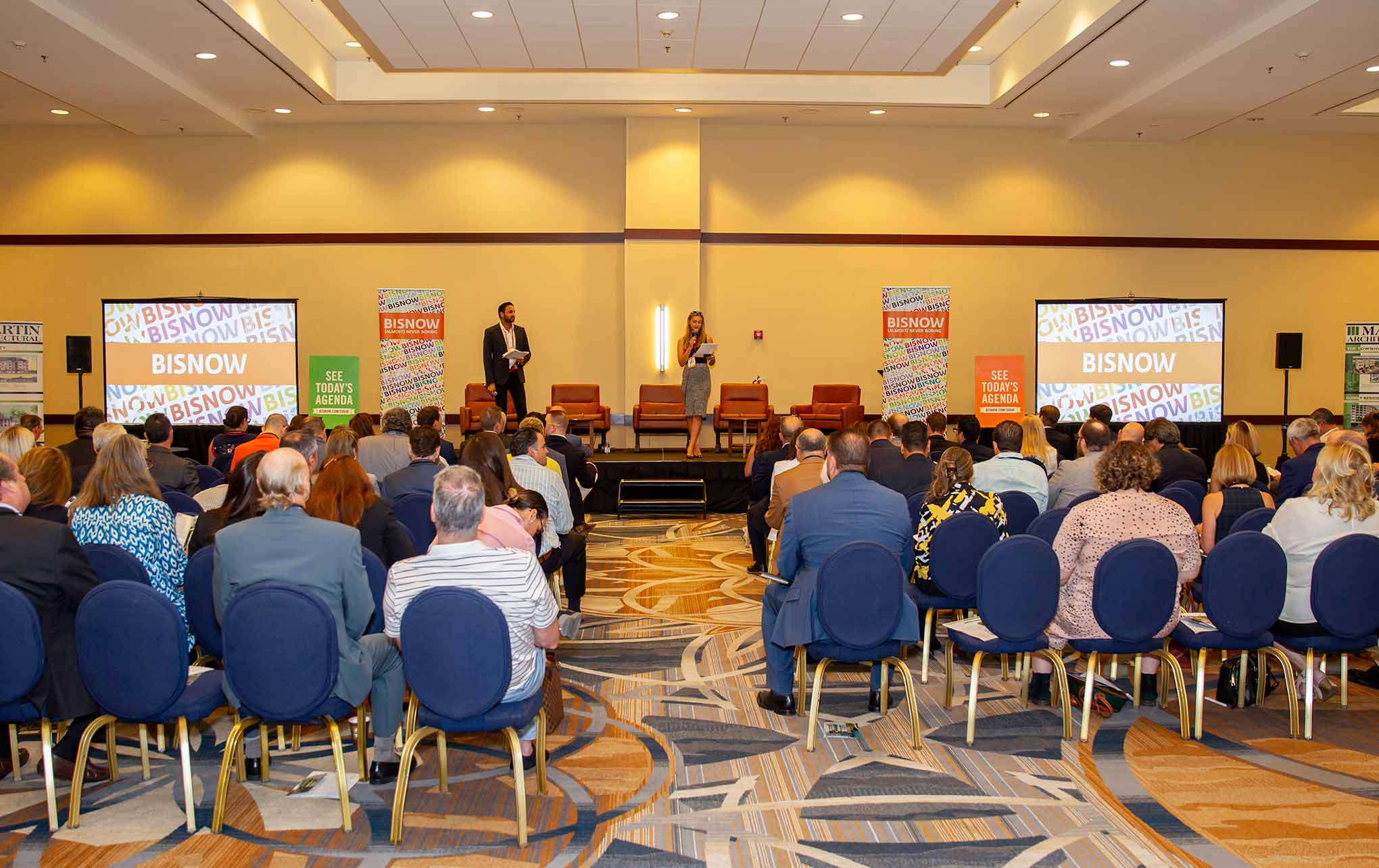
October 1, 2019, New York City– The Puerto Rico Builders Association takes a big bite of the Big Apple at the 2019 Bisnow National Real Estate Finance Summit. The National Real Estate Finance Summit is one of the most esteemed, high-level, and best attended event in the nation. This year was no exception with over 300 attendees from finance, capital markets, financial advisory, private equity, and real estate.
The Puerto Rico panel included Ing. Emilio Colón Zavala, President of the Puerto Rico Builders Association/ ECZ Group, Eric Berman, Chief Investment Officer at Lifeafar, Jorge Ruiz-Montilla, Capital Member and Chairman of the Real Estate & Finance Practice Group at MCconnell Valdes, Philip Carroll, Director of Finance at Royal Palm Companies and Adam Greenfader, Managing Partner of AG&T.
Ethan Penner, best known for creating the CMBS market, key noted the event with insight on “high conviction investment themes.” The Puerto Rico panel drew much interest at the Finance Summit. “We were impressed to hear from the leaders of the financial markets in New York that they see Puerto Rico as a great opportunity, explained Emilio Colón Zavala. With less than 7% tourism GDP, there is room for 15,000 more hotel keys.’
Philip Carroll of Royal Palm Companies , concurred with the assessment of hospitality demand and explained some of the island’s competitive advantages in Puerto Rico including the ability to leverage Tourism Tax credits with Opportunity Zone incentives. Royal Palm is currently developing a 1,000 key hotel and marina resort on the island.
Pictured Left to Right: Adam Greenfader, Emilio Colon Zavala, Philip Caroll, Marcial Diaz
The panel received multiple questions throughout the presentation. Of particular interest, was the level of detail and financial sophistication about Act 20/22. Jorge Ruiz-Montilla explained some of the benefits of the laws and highlighted the island’s economic and political stability.
When asked, “Why now, why invest in Puerto Rico today”, the consensus of the group was clear…the numbers speak for themselves. “Puerto Rico posted positive economic growth in 2019 and is forecasting a 2.5% GDP for 2020. We clearly hit bottom and with Billions of CDBG-DR money coming to the island in the next few years, the time is now”, quoted Adam Greenfader, who moderated the Panel.
Lifeafar, a real estate investment and hospitality firm, recently expanded their operations from Medellin, Colombia to Puerto Rico. “Puerto Rico is a place you can make a real change. Our investors want to make a good return on investment but also know they are helping to make a difference”, quoted Eric Berman.
We are honored to have been selected to represent Ponce Paradise – a magnificent parcel in Ponce, Puerto Rico within the land of great history, arts, culture, energy, and elegance. Due to the volume of messages our team has received from recent Puerto Rico publications in El Nuevo Día and La Perla del Sur, we humbly extend our gratitude for the passionate letters of support, hope, and mutual environmental awareness. We share in the excitement for Ponce’s growth.
Our dedicated team was recently commissioned by several Puerto Rican families that have been living in Ponce for generations. At AG&T- Puerto Rico, we are a development and boutique brokerage firm and have active on the island for the over 25 years. Together with Douglas Elliman’s Oceanfront International group, a leading National brokerage company, we have been entrusted to manage the sales and marketing for Ponce Paradise. In order to honor, preserve and elevate Ponce’s unique resources, we sought the collaboration of a two internationally recognized architecture and land planning firms, Winstanley Architects & Planners and Land Design.
Together we have created some initial development concepts for a world class medical and tourism destination. Ponce Paradise is undoubtedly a grand and lofty vision that will necessitate the input from community, government, and other key stakeholders alike. We understand this is a long process but one that together can lead to the creation of a once in a lifetime iconic development.
Our guiding principles for the conceptual drawings are:
to preserve and elevate Ponce’s unique resources with sustainable and eco-friendly land planning leaving over 60% of the site intact.
to help maximize Ponce’s already existing 21st century infrastructure, airport, port, and convention center.
to offer robust opportunities of beneficial economic prosperity with services catering to Puerto Rican communities and tourists alike
to attract quality developers and investors with strong visions of sustainability and resilience to natural environmental forces
to build upon a longstanding sense of community pride and appreciation for Ponce’s existing regality
The potential of Ponce Paradise is one that cherishes the past, respects the present, and paves the way for a new future. We are humbled to be part of this vision.
–
–
Nos honra haber sido seleccionados para representar y mercadear para la venta a Ponce Paradise, una magnífica parcela privada en Ponce, una ciudad de gran historia, arte, cultura, energía y elegancia. Debido al volumen de mensajes que nuestro equipo ha recibido por las publicaciones recientes en los periódicos El Nuevo Día y La Perla del Sur, les extendemos nuestro agradecimiento por las apasionadas cartas de apoyo, esperanza y conciencia ambiental mutua.
Compartimos en el entusiasmo por el crecimiento económico de Ponce. Nuestro dedicado equipo fue contratado por varias familias puertorriqueñas que llevan décadas viviendo en la isla y en Ponce. Nosotros en AG&T- Puerto Rico tenemos más de 25 años en Puerto Rico y estamos trabajando en colaboración con un grupo de corredores de los Estados Unidos – OceanFront International Group de Douglas Elliman y los arquitectos Winstanley Architects y Land Design.
Este concepto inicial busca ofrecer una idea preliminar de como podría desarrollarse estos predios en Ponce resaltando la sostenibilidad, su proximidad a la facilidades de transportación y su potencial. Estamos claros que algunos de los conceptos iniciales se descartaran y otros se incorporaran. Siempre hemos estado abiertos a los comentarios que se nos han brindado y el deseo final es que se desarrolle algo que sea de beneficio para Ponce y por esto nos sentimos honrados de ser parte de esta visión.
Nuestros principios para el diseño conceptual generado son:
Honrar, preservar y elevar los recursos únicos de Ponce con una planificación sostenible y ecológica donde se incorpora energía sostenible, cosechas en sitio para el uso directo e indirecto del desarrollo propuesto y dejando intactos mas del 60% de los predios en su totalidad.
Por su localización única próxima al aeropuerto, puerto maritimo, centro de convenciones y playas únicas de Ponce, se desea continuar incentivando y darle uso adicional a estos grandes recursos
Ofrecer oportunidades sólidas de prosperidad económica beneficiosa con servicios que atienden tanto a las comunidades puertorriqueñas como a los turistas.
Atraer a desarrolladores e inversionistas de calidad con visiones sólidas de sostenibilidad y resiliencia a las fuerzas ambientales.
Inculcar un sentido de orgullo y aprecio de comunidad por la rica historia y vida cultural de Ponce.
El potencial de Ponce Paradise es uno que aprecia el pasado, respeta el presente y prepara el camino para un nuevo futuro.
For decades, the Caribbean has been recognized as one of the world’s premier tourism destinations. Today, it is emerging as one of the most compelling regions for hospitality investment, infrastructure development, and long-term capital deployment. At the center of that transformation is Puerto Rico—a market whose financial renaissance is helping redefine investment across the Caribbean.
At AG&T, we have had the privilege of participating in that evolution for more than three decades.
As a Caribbean real estate development and capital advisory firm, our mission extends well beyond individual transactions. We have worked to strengthen the economic ties between Puerto Rico, the U.S. mainland, and the broader Caribbean by bringing together developers, lenders, institutional investors, hospitality brands, family offices, government agencies, and industry leaders. We believe that successful hospitality markets are built on relationships, collaboration, and confidence in long-term investment.
This philosophy has guided AG&T’s partnerships with organizations such as the Puerto Rico Builders Association, the Urban Land Institute, Bisnow, hospitality conferences, investment forums, and numerous public and private initiatives designed to showcase the Caribbean as a world-class destination for investment as well as tourism.
One such milestone was the Puerto Rico Builders Association’s conference, where AG&T organized and moderated a discussion on the future of development finance featuring senior executives from FirstBank, the Economic Development Bank of Puerto Rico, and Acrecent Financial. While the conversation centered on financing new construction, it reflected something much larger: Puerto Rico’s financial sector was entering a new era, creating opportunities not only for the island, but for hospitality and real estate investment throughout the Caribbean.
Looking back today, that conversation marked the beginning of a broader transformation.
Puerto Rico has emerged from years of fiscal restructuring with renewed financial stability, strengthened institutions, and a growing ecosystem of capital providers. Traditional banks have returned to construction lending, private credit has expanded, institutional investors are increasingly active, and billions of dollars in federal investment have accelerated infrastructure modernization. Together, these developments have created one of the strongest investment environments the island has experienced in decades.
The implications extend far beyond Puerto Rico.
Hospitality has always been one of the Caribbean’s most important economic engines. Across the region, demand for luxury resorts, branded residences, mixed-use destinations, marinas, wellness communities, and experiential travel continues to grow. Meeting that demand requires sophisticated capital markets, experienced development partners, and trusted financial institutions.
Puerto Rico’s financial resurgence is helping create that foundation.
As capital markets mature and investor confidence grows, the island increasingly serves as a gateway for institutional investment into the Caribbean. International hotel brands, private equity firms, family offices, lenders, and developers are viewing the region with renewed optimism, supported by stronger financial structures and improved access to capital.
At AG&T, we have worked to help build those connections.
Through partnerships with organizations such as Bisnow, the Urban Land Institute, the Puerto Rico Builders Association, and numerous hospitality and investment organizations, we have organized conferences, investor forums, educational programs, and networking events that connect mainland U.S. capital with Caribbean opportunities. These initiatives are designed not simply to promote projects, but to foster meaningful dialogue between investors, public officials, hospitality leaders, financial institutions, and developers.
Our objective has remained remarkably consistent: position Puerto Rico and the Caribbean as globally competitive destinations for investment, innovation, and sustainable economic growth.
The Caribbean hospitality sector is entering a defining period. Record tourism, expanding airlift, increasing demand for luxury accommodations, resilient infrastructure, and growing interest from global investors are reshaping the region’s development landscape. At the same time, public-private partnerships, innovative financing structures, and collaborative leadership are creating opportunities that would have been difficult to imagine only a decade ago.
Economic transformation does not occur in isolation. It is the product of sustained collaboration among governments, financial institutions, developers, investors, and industry organizations that share a common vision.
Puerto Rico’s financial renaissance is strengthening not only the island’s economy, but also the future of Caribbean hospitality.
At AG&T, we are proud to continue serving as a bridge between Caribbean opportunity and global capital—helping build the relationships that will shape the region’s next generation of hospitality and real estate development.
Puerto Rico was already struggling from decades of fiscal mismanagement and had just declared bankruptcy over its $123B debt when it was hit by two hurricanes in September 2017 — only to run into a botched disaster response. The way some see it, though, rock bottom is behind Puerto Rico, and the island is in the early stages of an upswing. “Puerto Rico is setting an incredible pace for economic recovery,” said Brad Dean, CEO of Discover Puerto Rico, a destination marketing organization that promotes the commonwealth. “Airport arrivals are exceeding pre-Hurricane Maria levels, as are lodging revenues. Given the quick rebound, reinvestment in hotel product and tremendous potential for the island’s tourism industry, this is Puerto Rico’s time. From an investor’s perspective, there’s never been a better time to invest in the island’s tourism industry.”
Buildings and infrastructure are still being repaired and upgraded, and the government has instituted a full slate of tax incentives to lure investors, said AG&T Managing Partner Adam Greenfader, who advises clients from his base in Miami. “You can still acquire assets for 50 cents on the dollar,” he said. “Beachfront land in Puerto Rico today can still be acquired at $30K an acre.” Dean and Greenfader will be panelists at Bisnow’s Caribbean Hospitality & Tourism Summit Aug. 1. Puerto Rico’s economic spiral goes back decades. After World War II, it gave big tax breaks to manufacturers, and to cover for revenue shortfalls, issued more bonds than it could repay. In turn, it implemented austerity measures that did little except drive the population away. Its problems were exacerbated by that fact that it has no voting power in Congress.
Greenfader outlined some key developments toward a turnaround. Puerto Rico’s cash-strapped government has tried to lure investors with laws like Acts 20 and 22, passed in 2012 and designed so that people who move to the island pay little or no federal income tax, even on passive investments. Greenfader said this has attracted 250 to 500 families per year, including big names such as billionaire John Paulson. Other incentives include one that lets people with tourism-related projects get back 40% or 50% of their acquisition costs.
80 Acres in Naguabo, Puerto Rico
Puerto Rico’s massive government debt is currently being sorted out by a federal oversight board. “The major bonds, COFINA and GO, have been renegotiated and the bondholders have been put into payment plans,” Greenfader said. Since the 2017 hurricanes, federal disaster aid — including $1.4B authorized in June — has trickled in. Hotels damaged in the storms were forced to remodel or rebuild and are now offering better products at higher rates. Many are incorporating solar and microgrids to be resilient for the future. The storms raised the profile of Puerto Rico — one study found that prior to them hitting, about half of Americans hadn’t known the commonwealth was part of the U.S. Airport arrivals and tourism revenue have already set records this year. On top of this, Puerto Rico is the beneficiary of community development block grant funding, and 97% of the entire commonwealth — much of it beachfront — has been designated a qualified opportunity zone. “Puerto Rico never had a 1031 exchange, so from a tax perspective, it’s the first time it’s getting capital gains money,” Greenfader said.
Lifeafar Investments Chief Financial Officer Cole Shephard, who will also be a panelist at the Bisnow event, said his Colombia-based company is already taking advantage of Puerto Rico’s investment climate, raising $16M in an opportunity fund to reposition a 61-room hotel. Shephard said Lifeafar, which started by offering real estate services to expats in Medellín, was drawn by the tax incentives and that the opportunity zone designation was a bonus. He is now doing due diligence on additional properties. “I see the sophisticated money chasing metro San Juan,” he said, suggesting that there is a lot of opportunity for small to mid-market projects outside of the city. Not everything in Puerto Rico is rosy.
29 Acres in Isabella, Puerto Rico
As the government has scrambled to generate revenue, sales tax was raised to 11.5%, pensions have been cut, college tuition increased and some 300 public schools closed. Critics have complained that wealthy investors have been protected while ordinary Puerto Ricans suffer. “The locals have had to carry the brunt of these austerity measures,” Greenfader acknowledged. “I’d understand completely, if I see a guy who’s a hedge fund manager with $500M earnings pay hardly any taxes, versus the regular guy paying 35% taxes who’s a salaried worker at Bacardi,” Shepherd said. But Shepherd added that conversations with Puerto Rican officials convinced him they have carefully calculated the tradeoff and found that luring private investment now will help island residents long-term, even though it may take years for the effects to be obvious.
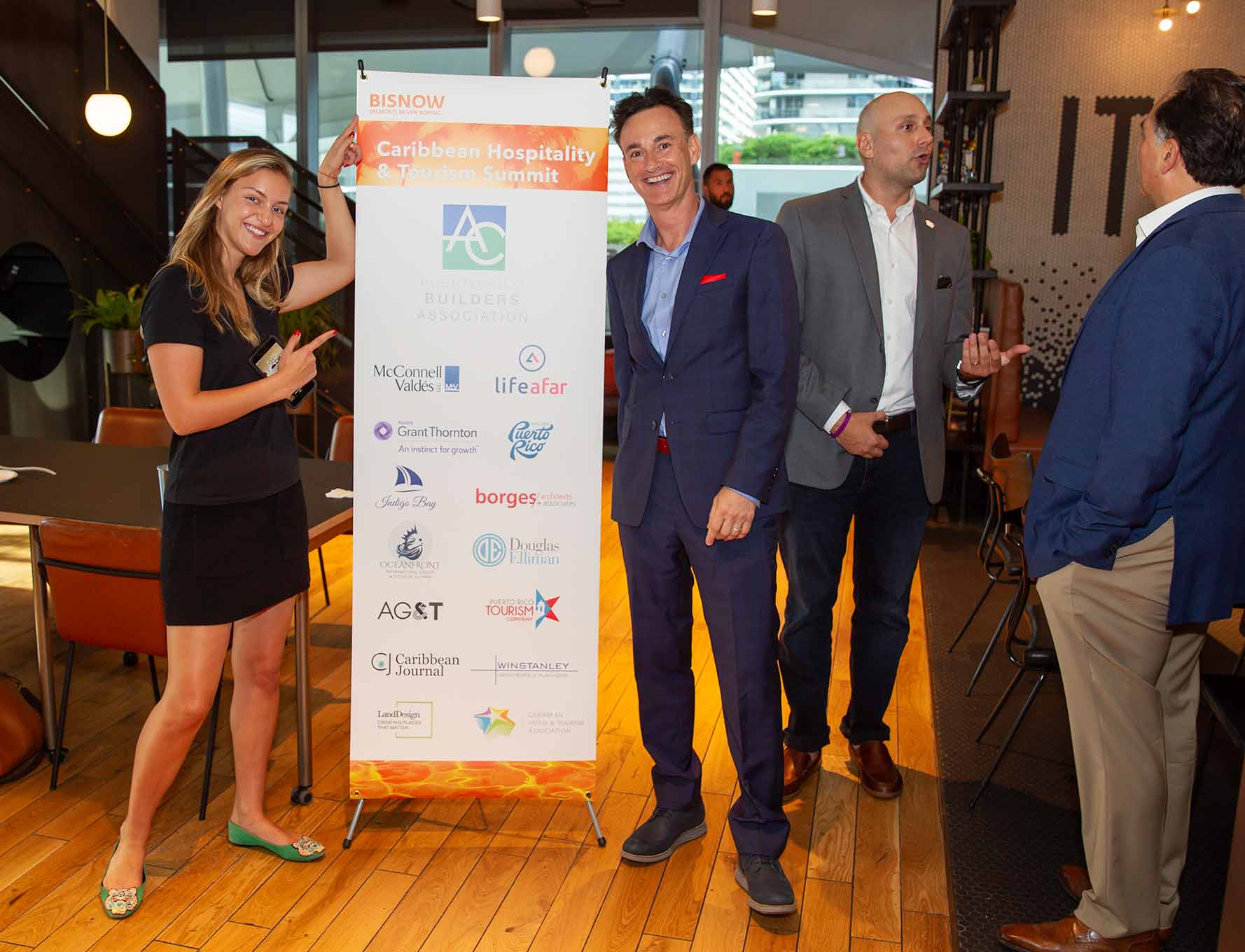
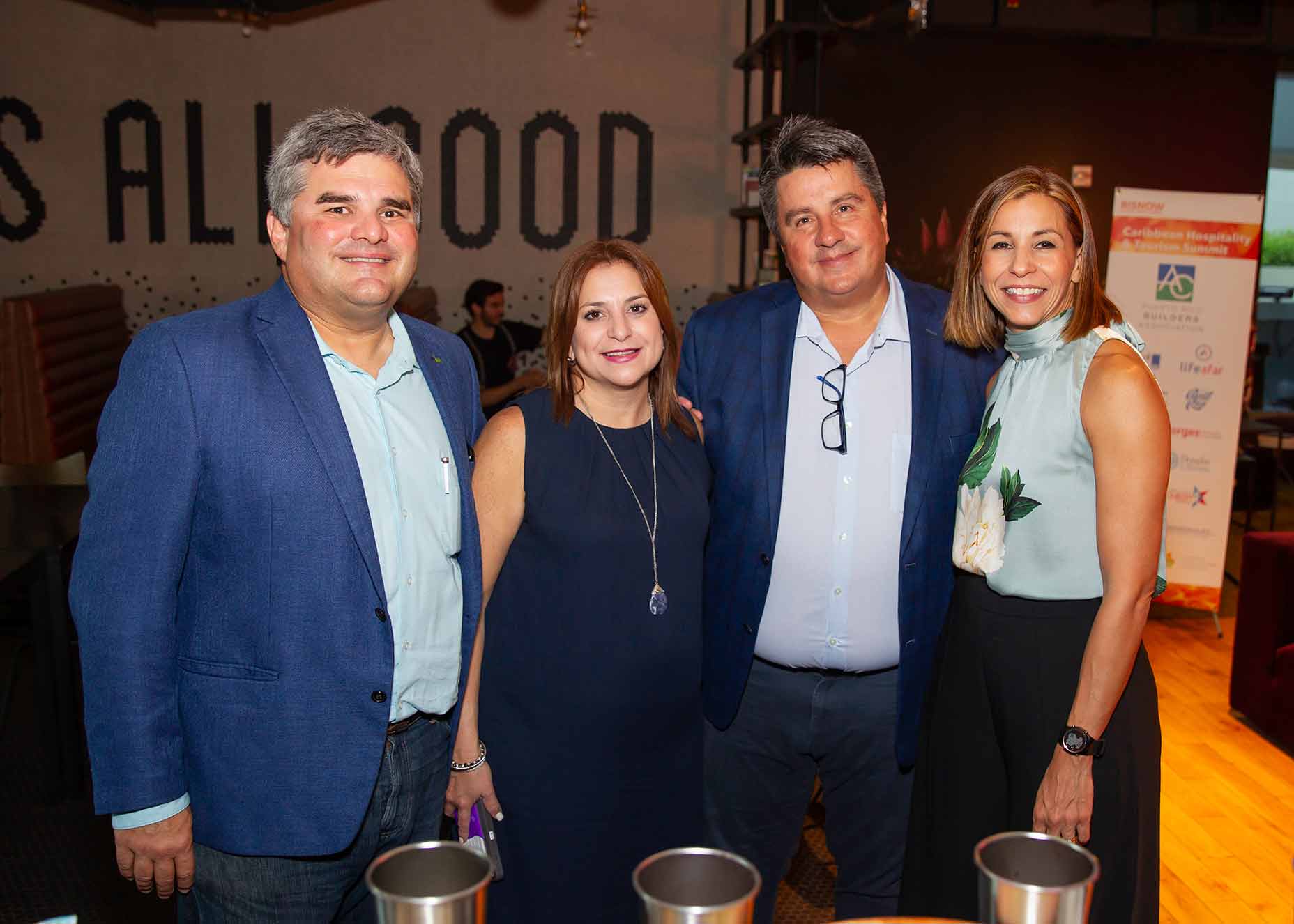
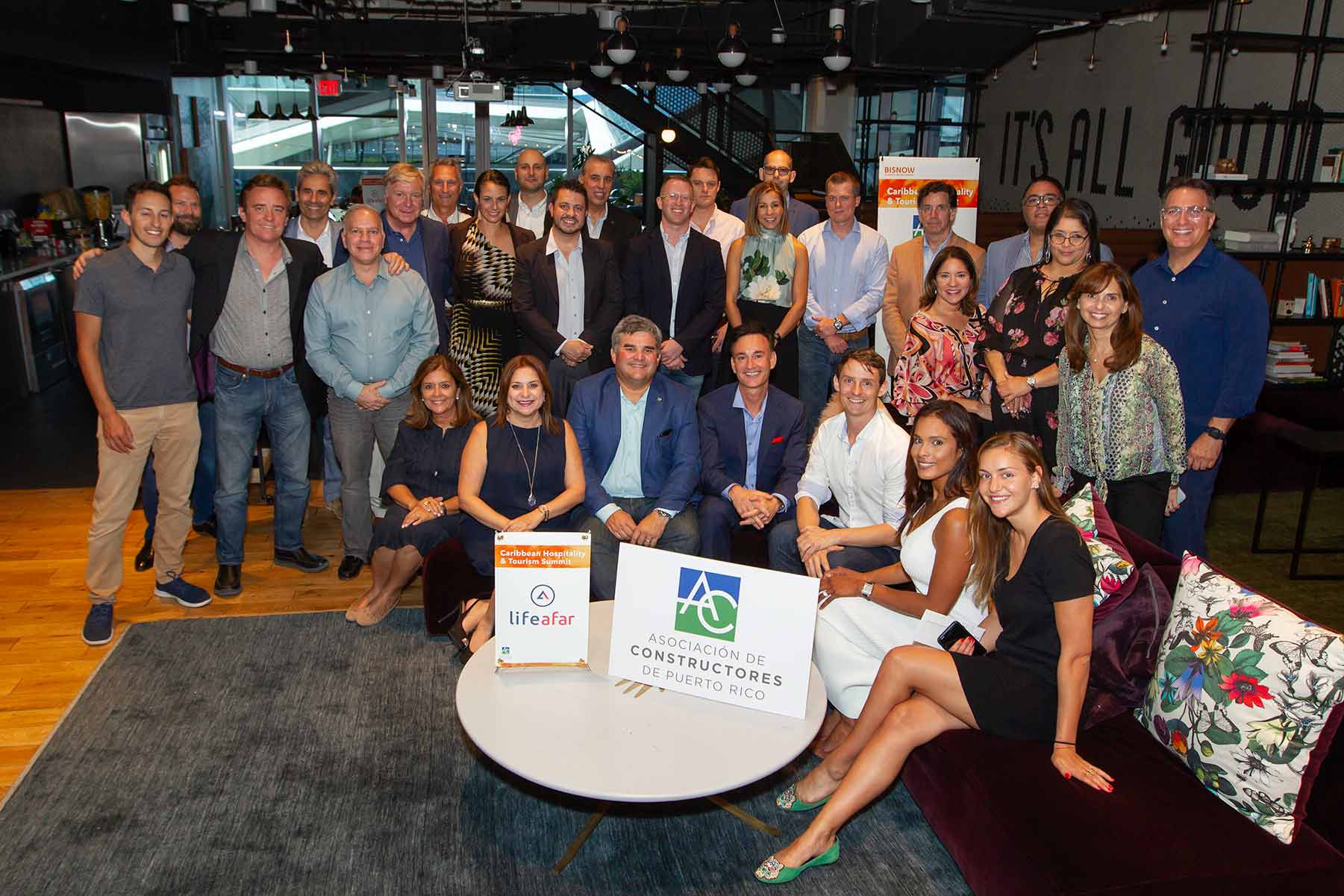
Greenfader suggested that boosting tourism is a winning solution for both investors and residents. Because Puerto Rico since the Kennedy era has been focused on manufacturing, its tourism industry was relatively neglected. The industry now accounts for less than 7% of Puerto Rico’s gross domestic product. In other Caribbean islands, that number is typically between 30% and 80%. Dean’s destination marketing organization, Discover Puerto Rico, was established last year to actively promote tourism. Bisnow’s Aug. 1 Caribbean Hospitality & Tourism Summit will also include Puerto Rico Tourism Co. Executive Director Carla Campos, Hilton VP for Development Juan Corvinos Solans, Puerto Rico Builders Association President Ing. Emilio Colón Zavala and more.
Governor Announces Puerto Rico’s First Hyatt Regency
The Weekly Journal Staff 6-4-19
Gov. Ricardo Rosselló announced that Gran Meliá Hotel was bought by Monarch Alternative Capital in partnership with Royal Palm Companies and Ambridge Hospitality. Together they will rebrand and relaunch the hotel as the Hyatt Regency Grand Reserve. The governor announced that the developers are contemplating a 10-year master plan. This will include six hotels in the Grand Reserve (Coco Beach) peninsula in Río Grande, of which three are expected to be opening by 2022. “Transactions such as these that are happening now validate that our commitment to tourism is a successful one, and there is a positive environment for investment,” Rosselló said at the 41st International Hospitality Industry Investment Conference by New York University (NYU). The governor added, “we have managed to streamline processes to grant tax benefits and permits, which proves that this administration maintains a bureaucratic battle so that the private sector may have better investment opportunities.”
New Project
The Hyatt Regency Grand Reserve Resort will have five new restaurants and will create roughly 200 new jobs. The average rate is expected to fluctuate by $300 per night. During his presentation, Rosselló revealed blueprints and mockups for the property. He stressed that Puerto Rico’s “fertile and positive” environment for investments in the hotel industry. The Hyatt Regency Coco Beach Resort is part of a $120 million deal made possible through an agreement with the Puerto Rico Tourism Co. (PRTC), which granted tax credits conforming to the P.R. Tourism Development Act (Act No. 74-2010). Of the total investment, $100 million correspond to development costs to elevate the property to Hyatt’s luxury standards. The PRTC has been working on this business deal along investors for several months. PRTC Executive Director Carla Campos assures that Tourism is focused on increasing the island’s hotel inventory in the short term, emphasizing Puerto Rico’s “competitive and incomparable” investment advantages.
After damages caused by Hurricane Maria in 2017, Monarch Alternative Capital, which already had interests in the peninsula, seized the opportunity to acquire the Gran Meliá Resort, with 486 rooms, 135 bedroom units, and 14 more terrain acres. In order to proceed with the transaction, Monarch made a conjoint agreement with Royal Palm Companies and Ambridge Hospitality. According to Campos, this project makes part of a “long-term master plan” that seeks to add 2,500 new rooms to the island’s hotel inventory and 1,500 new jobs. “This will result in a total investment of roughly $1.5 billion, when the six hotels are finished,” she added.Both the governor and the PRTC executive director stressed Puerto Rico’s strategic position as a connector between the United States and Latin America and the island’s structural reforms, which they claim positions Puerto Rico as the most competitive U.S. jurisdiction for hotel investment.
The officials also highlighted the investment tools that provide a combination of tax benefits at state level, in addition to the competitive advantage of being almost entirely eligible for certain benefits and exemptions under the Opportunity Zones incentive as included in the U.S. Tax Cuts and Jobs Act of 2017.
The Caribbean has always lived with hurricanes.What has changed is not simply the storms themselves—but how the insurance and capital markets evaluate risk.
Following the unprecedented destruction caused by Hurricanes Irma and Maria in 2017, insurers, reinsurers, catastrophe modelers, lenders, and institutional investors fundamentally changed the way they assess climate exposure throughout the region.
In this interview with AM BestTV during the RMS Exceedance Conference in Miami, Adam Greenfader, Chairman of AG&T, discusses how these historic storms marked a turning point for Caribbean real estate, hospitality, and infrastructure development.
A New Era of Catastrophe Modeling
One of the most significant changes has occurred behind the scenes.
Insurance companies are no longer relying solely on historical storm data to price risk.
These tools allow insurers and reinsurers to evaluate individual assets with far greater precision than ever before.
As a result, climate risk is becoming increasingly measurable—and increasingly influential in investment decisions.
The Rules Are Changing
The conversation highlighted an important reality for developers.
The standards used to design projects twenty years ago may no longer be sufficient for the decades ahead.
Climate scientists continue to observe stronger hurricanes, more rapid storm intensification, heavier rainfall, higher storm surges, and storms that maintain destructive strength for longer periods.
While the official Saffir-Simpson Hurricane Wind Scale currently ends at Category 5, researchers have begun discussing whether future storms may warrant an additional classification as wind speeds continue to exceed historical benchmarks.
Whether or not a formal Category 6 is ever adopted, the message for developers is already clear.
Projects entering planning today should anticipate more demanding environmental conditions over their operating lives.
Resilience as an Investment Strategy
The insurance industry is increasingly rewarding resilient design.
Developments that incorporate stronger building envelopes, elevated finished-floor elevations, impact-resistant materials, redundant utility systems, flood mitigation, backup power, and nature-based resilience strategies are becoming more attractive to insurers, lenders, and institutional investors.
In many cases, these investments can improve insurability, reduce long-term operating costs, and enhance asset value.
Resilience is no longer viewed simply as a construction expense. It has become part of the financial equation.
Beyond Building Codes
One of the key lessons emerging from the discussion is that simply meeting today’s building code may not be enough.
Developers increasingly need to ask a broader question:
How will this project perform thirty or fifty years from now?
Forward-thinking owners are designing beyond minimum standards by considering higher wind loads, longer-duration storms, greater rainfall intensity, coastal flooding, and the increasing importance of energy independence and infrastructure redundancy.
Those decisions are becoming critical not only for public safety but also for financing, insurance availability, and long-term investment performance.
Implications for the Caribbean
For island economies that depend heavily on tourism and hospitality, these changes have profound implications.
Hotels, resorts, marinas, airports, residential communities, and critical infrastructure must increasingly demonstrate their ability to withstand future climate conditions.
Institutional investors, lenders, and insurers are placing greater emphasis on resilience during underwriting and due diligence.
Projects that fail to adapt may face higher insurance costs, more restrictive financing terms, or reduced investor interest. Conversely, resilient projects are increasingly viewed as lower-risk, more durable investments capable of generating stronger long-term returns.
AG&T’s Perspective
At AG&T, we believe the insurance industry is helping drive one of the most important transformations in Caribbean development.
By redefining how climate risk is measured and priced, insurers are encouraging developers to rethink not only how projects are built—but how they are planned, financed, and operated over their entire lifecycle. The future of Caribbean real estate will not be defined solely by beautiful architecture or exceptional locations. It will be defined by resilience.
Developers who embrace higher design standards, smarter infrastructure, nature-based solutions, and long-term climate adaptation will be better positioned to attract capital, secure insurance, and create projects that endure for generations.
The conversation is no longer about recovering after the next storm. It is about building communities capable of thriving despite them.
From Ideas to Action: Helping Rebuild Puerto Rico Through ULI Advisory Services
Thought leadership is important…But real leadership is measured by action.
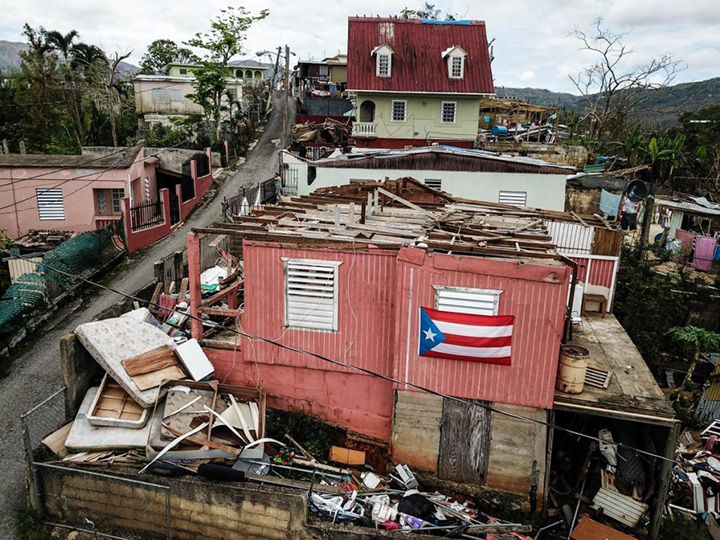
Following the catastrophic devastation caused by Hurricane Maria in 2017, Puerto Rico faced one of the greatest rebuilding challenges in its modern history. Communities across the island were confronted not only with repairing damaged infrastructure and housing, but with a much larger question:
How do we rebuild stronger than before?
Rather than simply discussing resilience from the conference stage, AG&T joined a multidisciplinary team of national experts through the Urban Land Institute (ULI) Advisory Services Program to help answer that question.
Supported by The Kresge Foundation, ULI Southeast Florida/Caribbean, Alvarez-Díaz & Villalón, and the Puerto Rico Builders Association, the Advisory Services Panel traveled to the Municipality of Toa Baja to work directly with local government, business leaders, community organizations, and residents to develop a practical roadmap for long-term recovery and resilience.
Turning Expertise into Action
ULI’s Advisory Services Panels are among the organization’s highest forms of professional service.
Rather than serving as conferences or academic exercises, these panels assemble nationally recognized experts in planning, architecture, engineering, finance, economic development, housing, resilience, public policy, and real estate to solve complex urban challenges.
For one intensive week, the team immersed itself in Toa Baja meeting with local stakeholders, touring neighborhoods, evaluating damaged infrastructure, reviewing economic data, and identifying opportunities that could strengthen the municipality for generations to come.
For AG&T, organizing and participating in the panel reflected a core belief:
Knowledge creates value only when it leads to action.
The Challenge
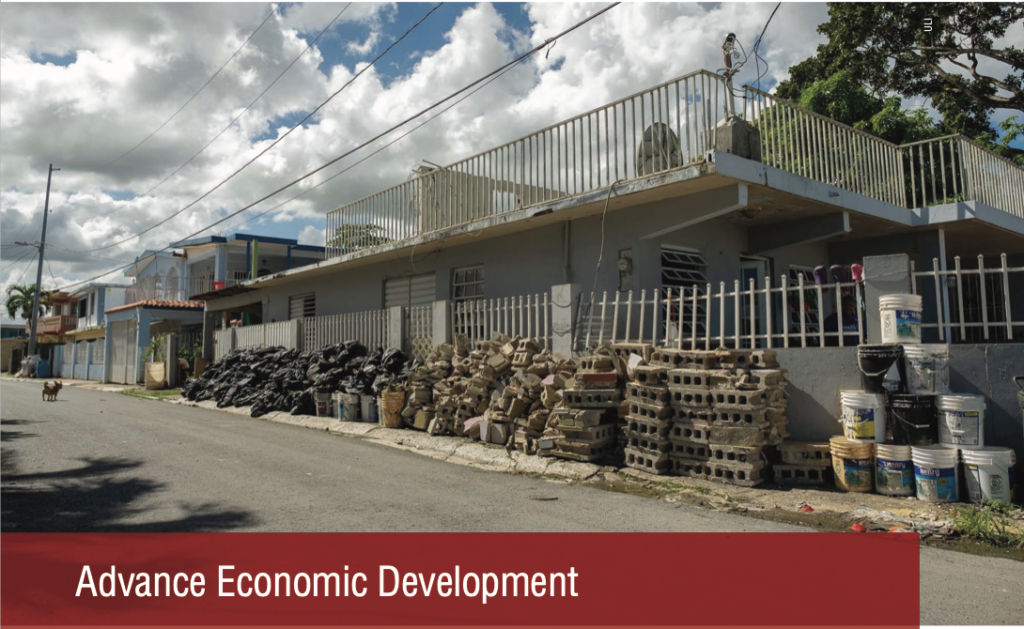
Among Puerto Rico’s municipalities, Toa Baja was one of the hardest hit by Hurricane Maria.
The municipality sustained more than $1.3 billion in damages, with widespread impacts to housing, businesses, transportation infrastructure, utilities, and public facilities.
Its geographic location also made it particularly vulnerable to future flooding, storm surge, sea-level rise, and other climate-related hazards.
The challenge extended well beyond reconstruction.
The objective was to create a strategy for a safer, stronger, and more economically resilient community.
Looking Beyond Recovery
The panel’s recommendations extended far beyond repairing damaged buildings.
Instead, the team examined how resilience could become a catalyst for economic development.
Among the key areas explored were:
Identifying Toa Baja’s long-term competitive advantages within Puerto Rico and the Caribbean.
Strengthening economic drivers capable of creating sustainable employment.
Improving land use planning to reduce exposure to flooding and future storm events.
Integrating resilience into future housing and commercial development.
Leveraging public-private partnerships to accelerate investment.
Creating more efficient land development processes.
Expanding access to resilient housing for residents across all income levels.
Aligning reconstruction efforts with long-term economic growth rather than short-term recovery.
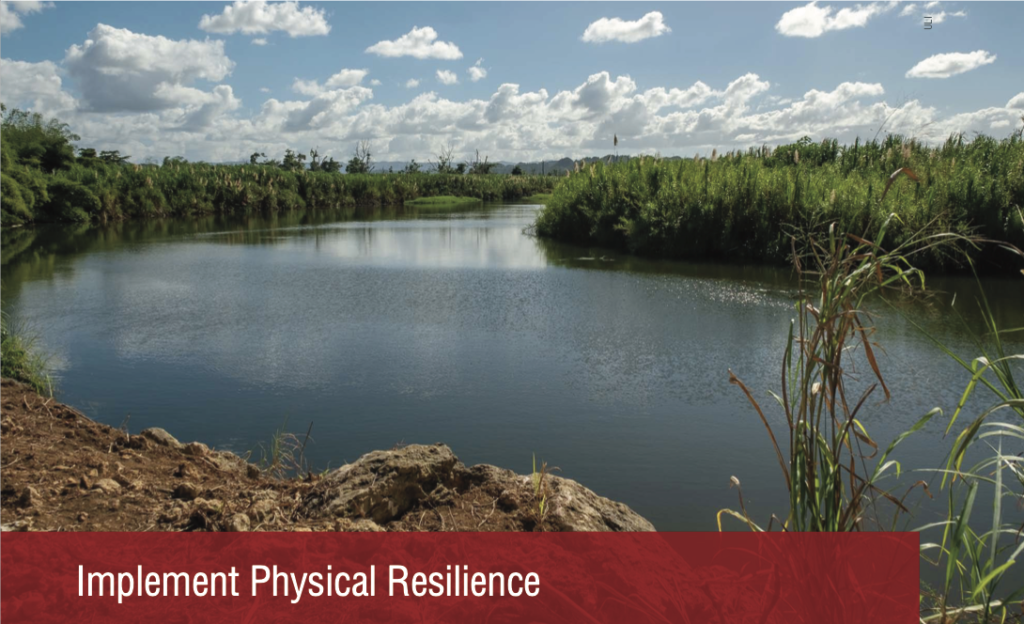
The panel also examined how natural systems, coastal conditions, transportation networks, and infrastructure investments could work together to create a more resilient municipality.
Resilience as Economic Development
One of the panel’s most important conclusions was that resilience should not be viewed simply as disaster preparedness.
Well-designed resilient communities are also stronger economies.
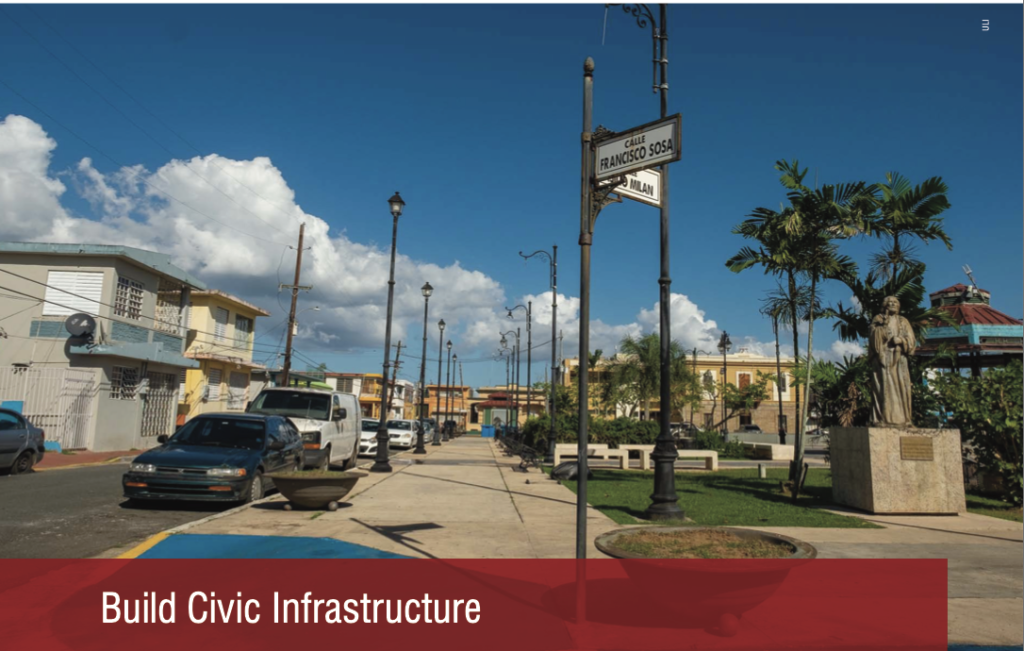
Investments in flood mitigation, resilient infrastructure, modern utilities, housing, transportation, environmental restoration, and thoughtful land planning improve quality of life while making communities more attractive for residents, businesses, investors, and employers.
Today, that philosophy has become increasingly accepted throughout the development industry.
Institutional investors, lenders, insurers, and governments now recognize resilience as a critical component of long-term value creation.
From Recommendations to Lasting Impact
Although the Advisory Services Panel lasted only one week, its influence extended well beyond the final presentation.
The report continues to serve as a strategic resource for municipal planning, resilience initiatives, economic development discussions, and future investment opportunities.
More importantly, it demonstrated what can be achieved when the public sector, private industry, nonprofit organizations, and community leaders collaborate toward a common objective.
The challenges facing island communities require integrated solutions.
No single organization can solve them alone.
AG&T’s Commitment
For AG&T, participating in the Toa Baja Advisory Services Panel reflects the type of work we believe matters most.
Our role extends beyond advising individual developments. We are equally committed to helping strengthen the communities in which those projects exist.
Over the years, AG&T has contributed to numerous initiatives involving the Urban Land Institute, the Puerto Rico Builders Association, universities, government agencies, institutional investors, and nonprofit organizations, all with the shared objective of advancing sustainable economic development throughout Puerto Rico and the Caribbean.
Whether the challenge involves resilience, housing, hospitality, infrastructure, climate adaptation, or economic competitiveness, we believe meaningful progress begins with collaboration.
Because rebuilding communities is about more than replacing what was lost. It is about creating places that are stronger, safer, more prosperous, and better prepared for the future.
That is the kind of work that creates lasting impact.