Puerto Rico Takes a Big Bite of the Big Apple

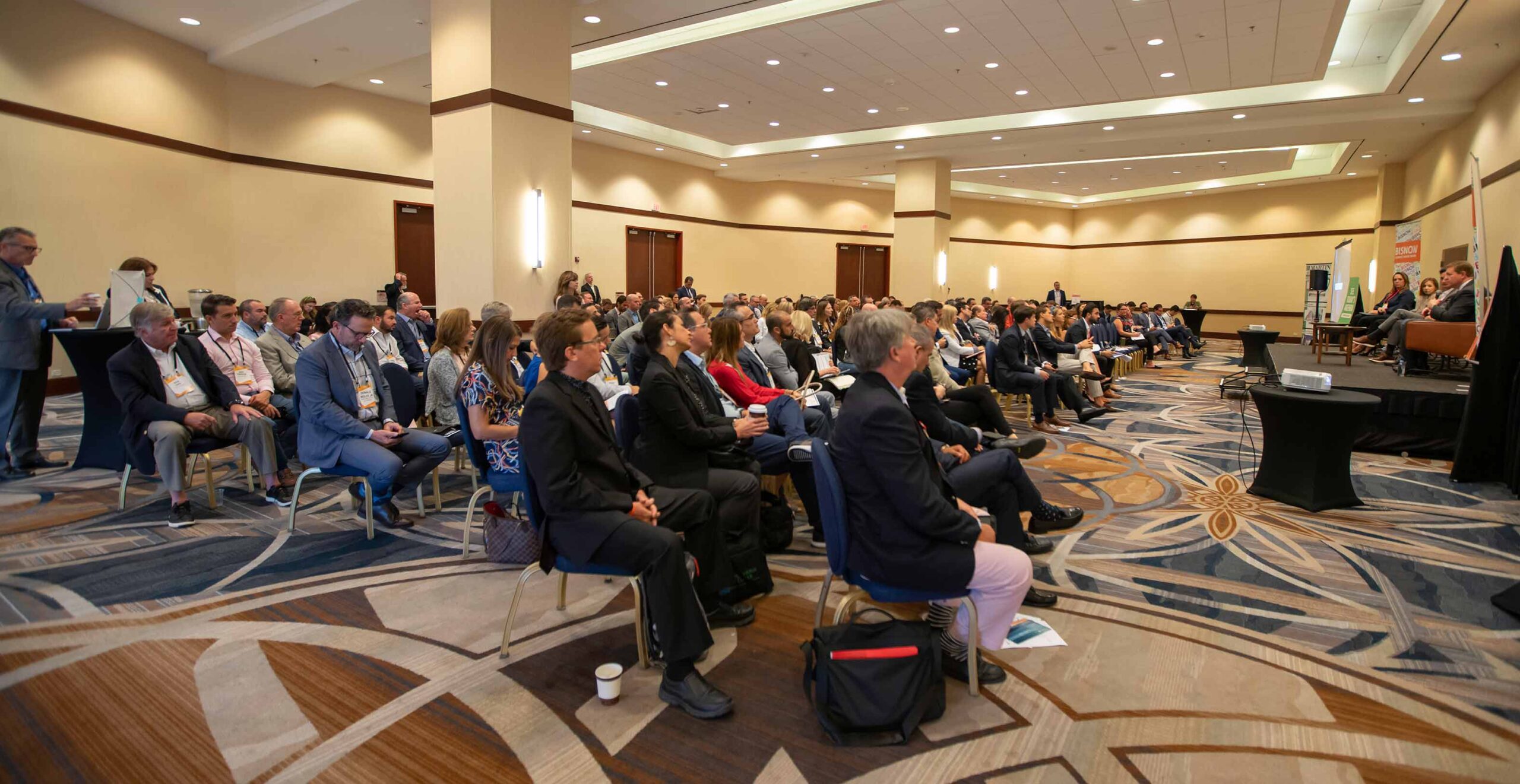
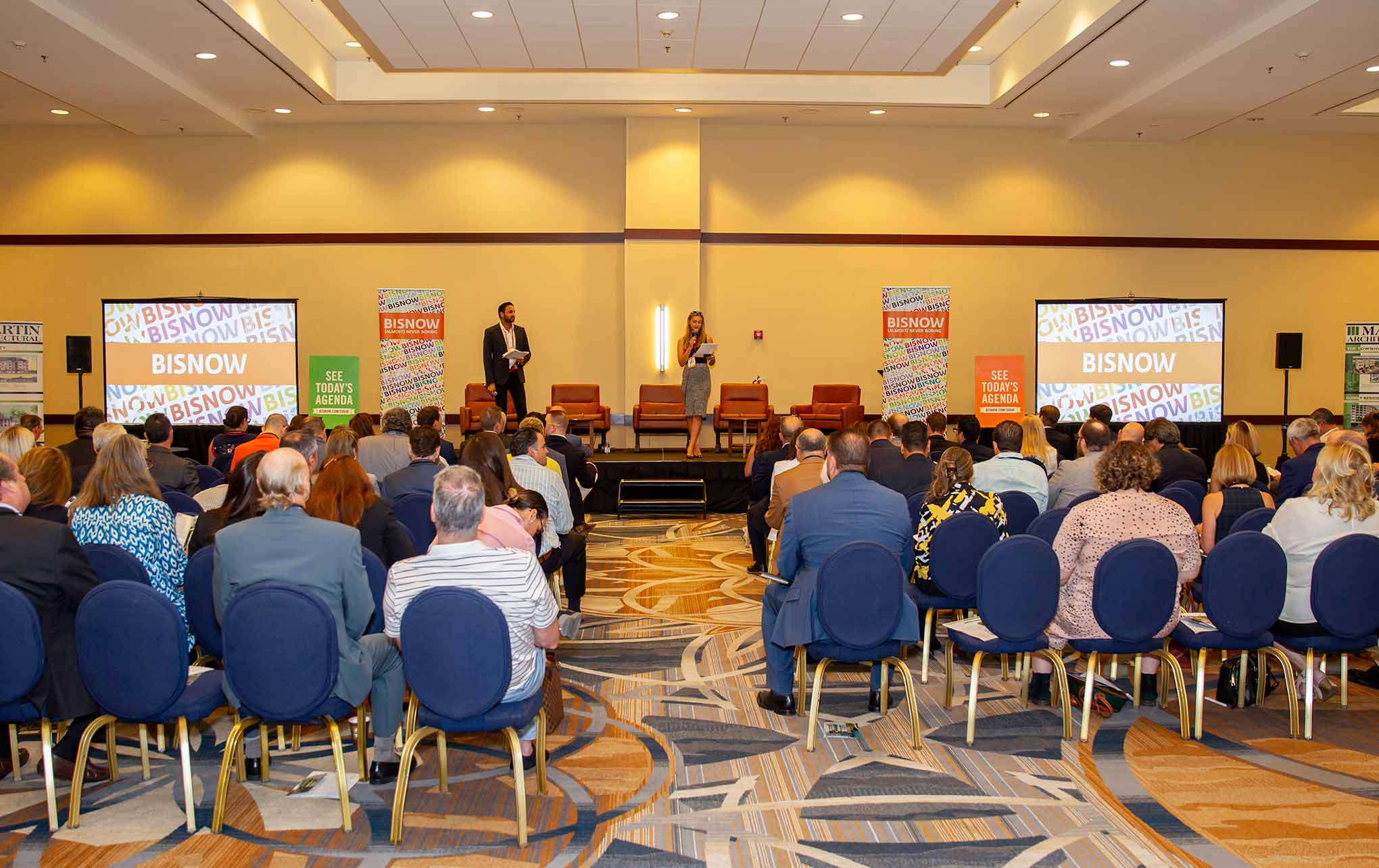
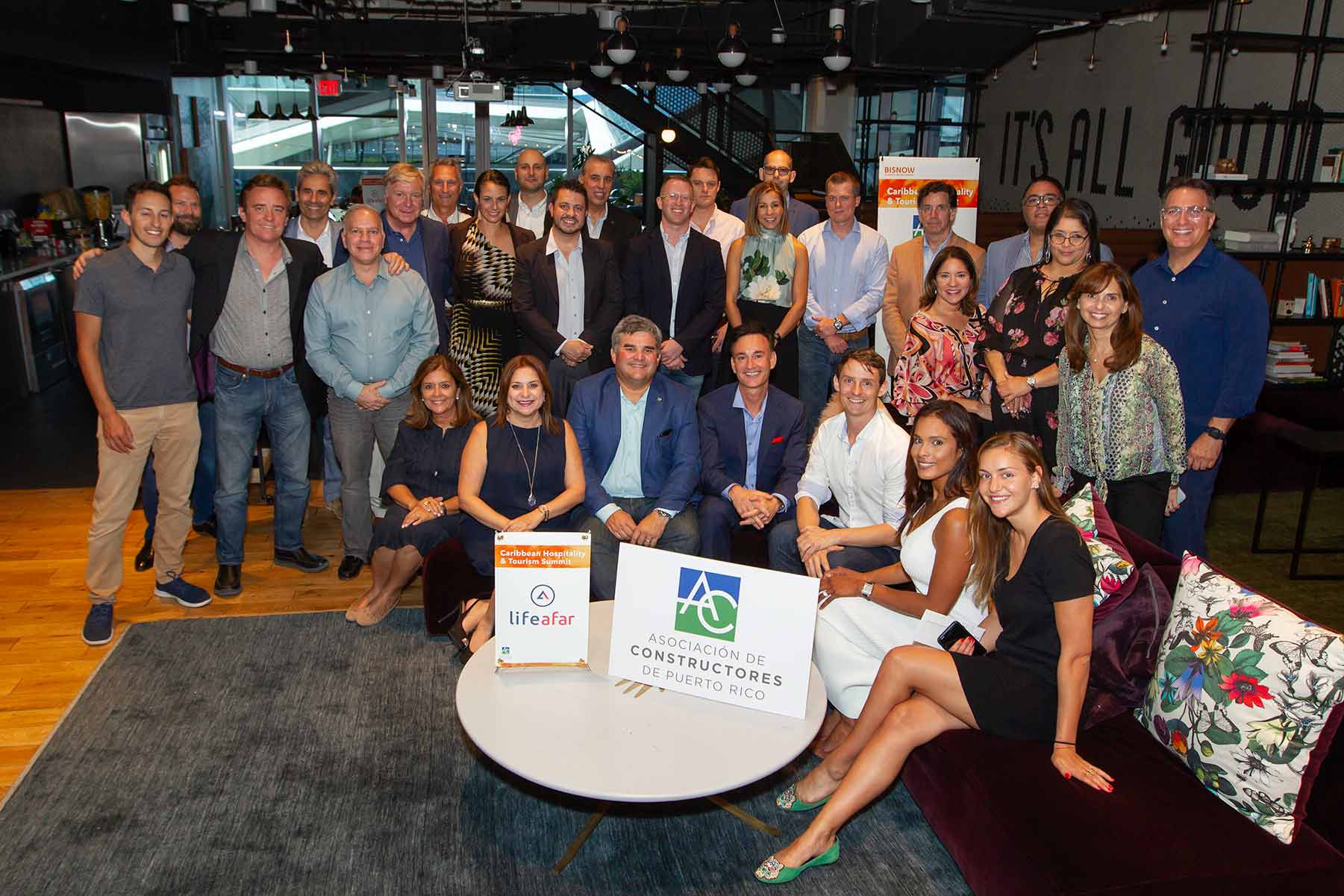
October 1, 2019, New York CityThe Puerto Rico Builders Association takes a  big bite of the Big Apple at the 2019 Bisnow National Real Estate Finance Summit. The National Real Estate Finance Summit is one of the most esteemed, high-level, and best attended event in the nation. This year was no exception with over 300 attendees from finance, capital markets, financial advisory, private equity, and real estate.

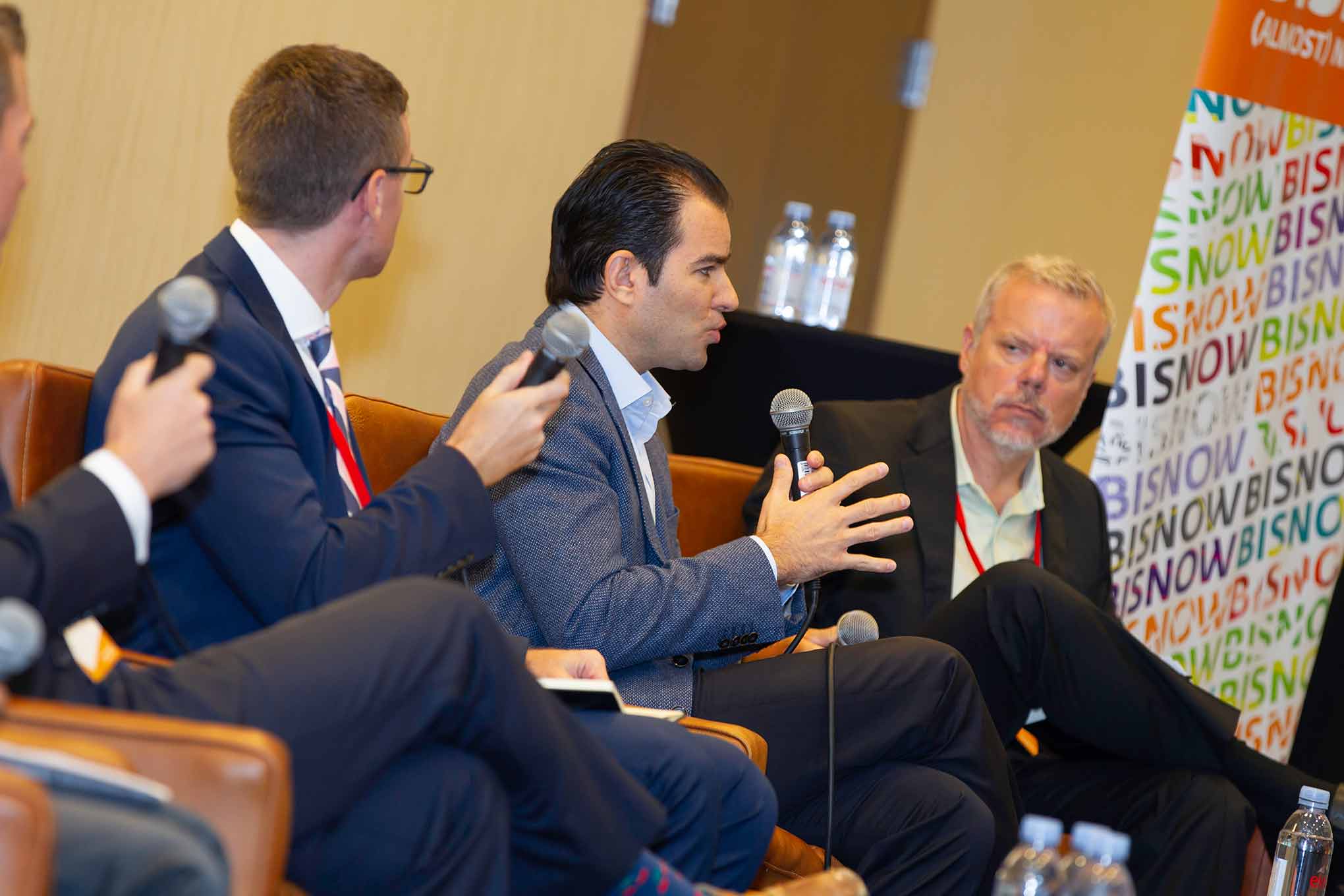
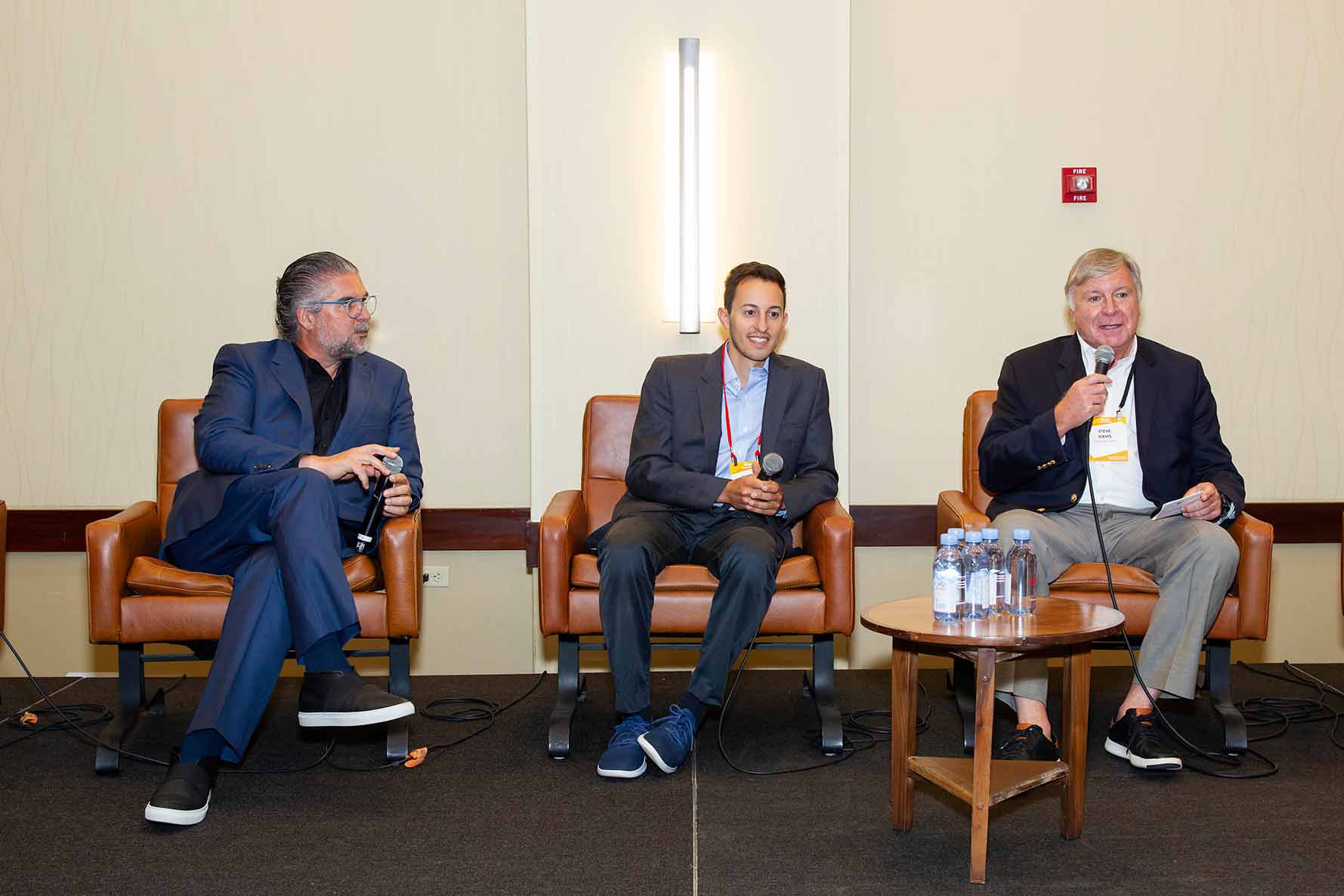
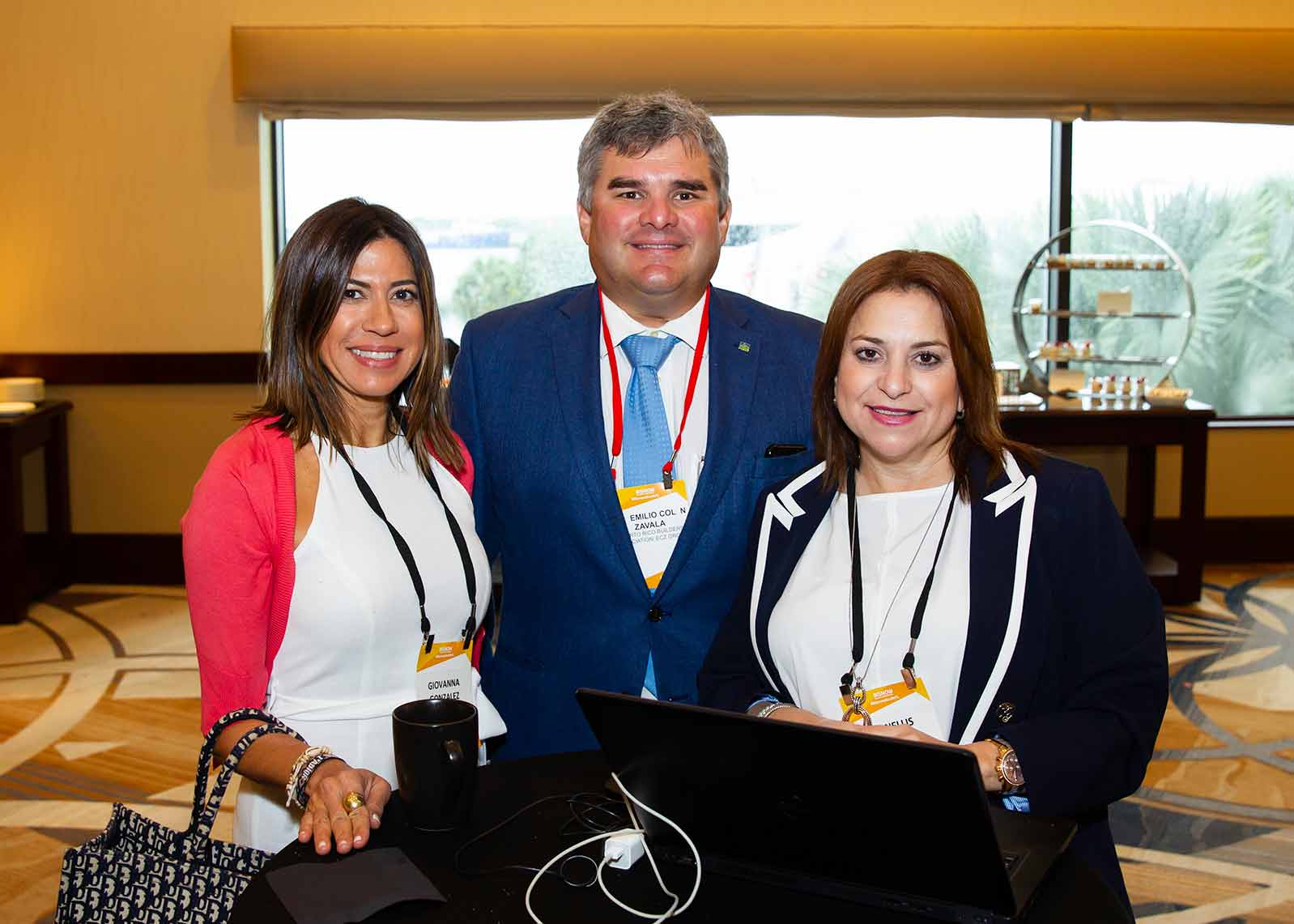
The Puerto Rico panel included Ing. Emilio Colón Zavala,  President of the Puerto Rico Builders Association/ ECZ Group,  Eric Berman,  Chief Investment Officer at Lifeafar, Jorge Ruiz-Montilla, Capital Member and Chairman of the Real Estate & Finance Practice Group at MCconnell Valdes, Philip Carroll,  Director of Finance at Royal Palm Companies and Adam Greenfader, Managing Partner of AG&T.

Ethan Penner, best known  for creating the CMBS  market, key noted the event with insight on “high conviction investment themes.”  The Puerto Rico panel drew much interest at the Finance Summit. “We were impressed to hear from the leaders of the financial markets in New York that they see Puerto Rico as a great opportunity,  explained Emilio Colón Zavala. With less than 7% tourism GDP, there is room for 15,000 more hotel keys.’

Philip Carroll of Royal Palm Companies , concurred with the assessment of hospitality demand and explained some of the island’s competitive advantages in Puerto Rico including the ability to leverage Tourism Tax credits with Opportunity Zone incentives. Royal Palm is currently developing a 1,000 key hotel and marina resort on the island.  


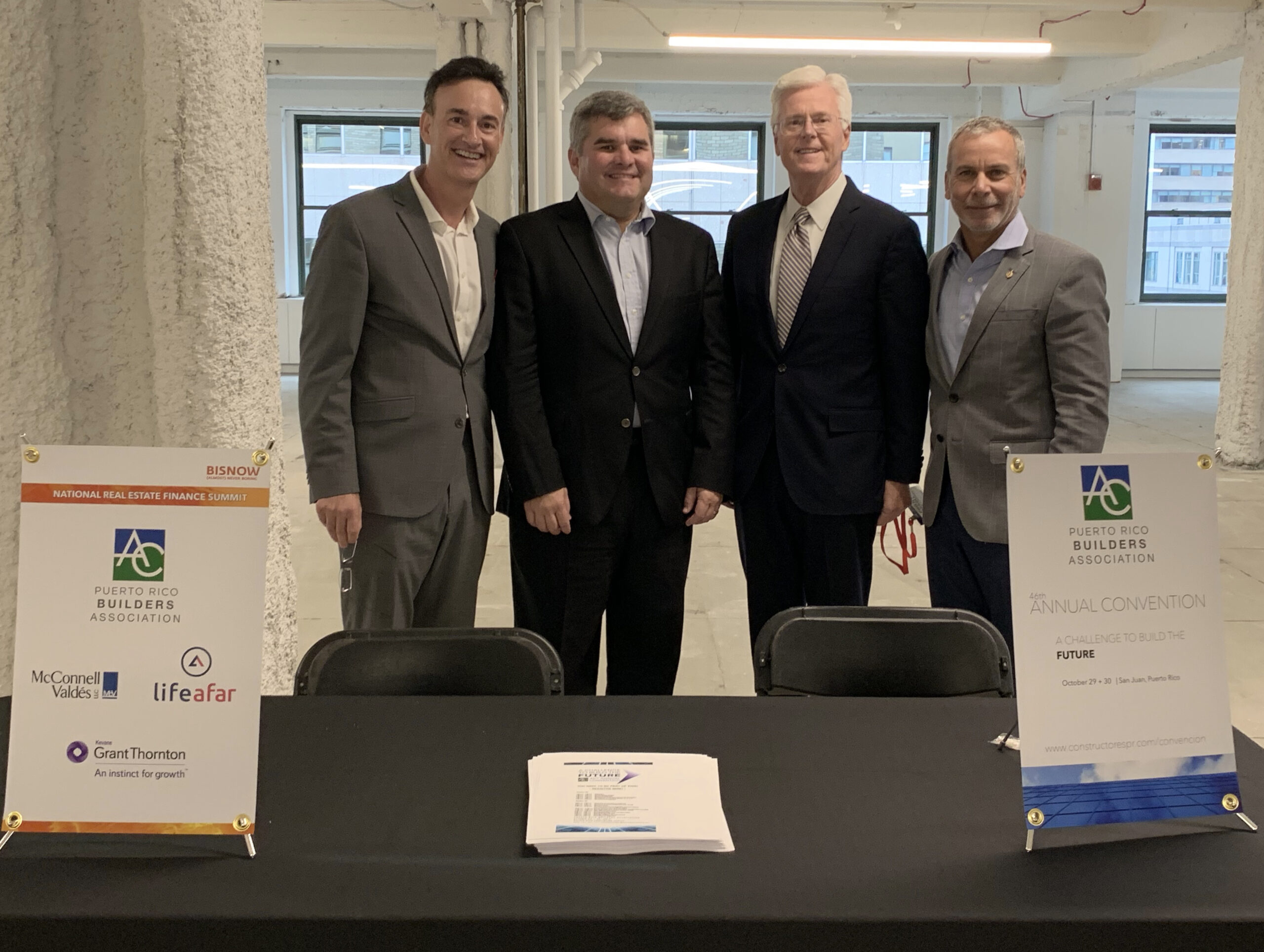
Pictured Left to Right: Adam Greenfader, Emilio Colon Zavala, Philip Caroll, Marcial Diaz


The panel received multiple questions throughout the presentation.  Of particular interest, was the level of detail and financial sophistication about Act 20/22. Jorge Ruiz-Montilla explained some of the benefits of the laws and highlighted the island’s economic and political stability.

When asked, “Why now, why invest in Puerto Rico today”, the consensus of the group was clear…the numbers speak for themselves. “Puerto Rico  posted positive economic growth in 2019 and is forecasting a 2.5% GDP for 2020. We clearly hit bottom and with Billions of CDBG-DR money coming to the island in the next few years,  the time is now”, quoted Adam Greenfader, who moderated the Panel.

Lifeafar, a real estate investment and hospitality firm, recently expanded their operations from Medellin, Colombia to Puerto Rico.  “Puerto Rico is a place you can make a real change. Our investors want to make a good return on investment but also know they are helping to make a difference”, quoted Eric Berman.  

For more information about Puerto Rico,. You can join the Puerto Rico Builders Association on October 29-30 at their annual conference. See link attached. https://www.constructorespr.com/convencion/#eventbrite


About The Puerto Rico Builders Association

The Puerto Rico Builders Association is a non-profit organization established in 1951. The PRBA is the local chapter for the National Association of Home Builders (NAHB) and the Urban Land Institute (ULI). We proudly represent the leaders in housing, commercial and industrial and tourism sectors. We also represent investors and professionals related to the Puerto Rico’s real estate development and the construction industries. Our main objective is to promote and lead planned development, that is safe and sustainable, as to serve as an a principal productive economic driver motor for our island, in collaboration with the private and public sectors in Puerto Rico.

About AG&T

AG&T is a real estate development and consulting company founded in 1998 with headquarters in Miami, Florida. Our  track record spans over 55 real estate development projects in Puerto Rico, Sint Maarten, Costa Rica, Panama, Mexico, Dominican Republic, and various other Caribbean islands.


Caribbean Hospitality Summit Draws Record Numbers

The Caribbean’s Hospitality Renaissance:


For decades, the Caribbean has been recognized as one of the world’s premier tourism destinations. Today, it is emerging as one of the most compelling regions for hospitality investment, infrastructure development, and long-term capital deployment. At the center of that transformation is Puerto Rico—a market whose financial renaissance is helping redefine investment across the Caribbean.

At AG&T, we have had the privilege of participating in that evolution for more than three decades.

As a Caribbean real estate development and capital advisory firm, our mission extends well beyond individual transactions. We have worked to strengthen the economic ties between Puerto Rico, the U.S. mainland, and the broader Caribbean by bringing together developers, lenders, institutional investors, hospitality brands, family offices, government agencies, and industry leaders. We believe that successful hospitality markets are built on relationships, collaboration, and confidence in long-term investment.

This philosophy has guided AG&T’s partnerships with organizations such as the Puerto Rico Builders Association, the Urban Land Institute, Bisnow, hospitality conferences, investment forums, and numerous public and private initiatives designed to showcase the Caribbean as a world-class destination for investment as well as tourism.

One such milestone was the Puerto Rico Builders Association’s conference, where AG&T organized and moderated a discussion on the future of development finance featuring senior executives from FirstBank, the Economic Development Bank of Puerto Rico, and Acrecent Financial. While the conversation centered on financing new construction, it reflected something much larger: Puerto Rico’s financial sector was entering a new era, creating opportunities not only for the island, but for hospitality and real estate investment throughout the Caribbean.

Looking back today, that conversation marked the beginning of a broader transformation.

Puerto Rico has emerged from years of fiscal restructuring with renewed financial stability, strengthened institutions, and a growing ecosystem of capital providers. Traditional banks have returned to construction lending, private credit has expanded, institutional investors are increasingly active, and billions of dollars in federal investment have accelerated infrastructure modernization. Together, these developments have created one of the strongest investment environments the island has experienced in decades.

The implications extend far beyond Puerto Rico.

Hospitality has always been one of the Caribbean’s most important economic engines. Across the region, demand for luxury resorts, branded residences, mixed-use destinations, marinas, wellness communities, and experiential travel continues to grow. Meeting that demand requires sophisticated capital markets, experienced development partners, and trusted financial institutions.

Puerto Rico’s financial resurgence is helping create that foundation.

As capital markets mature and investor confidence grows, the island increasingly serves as a gateway for institutional investment into the Caribbean. International hotel brands, private equity firms, family offices, lenders, and developers are viewing the region with renewed optimism, supported by stronger financial structures and improved access to capital.

At AG&T, we have worked to help build those connections.

Through partnerships with organizations such as Bisnow, the Urban Land Institute, the Puerto Rico Builders Association, and numerous hospitality and investment organizations, we have organized conferences, investor forums, educational programs, and networking events that connect mainland U.S. capital with Caribbean opportunities. These initiatives are designed not simply to promote projects, but to foster meaningful dialogue between investors, public officials, hospitality leaders, financial institutions, and developers.

Our objective has remained remarkably consistent: position Puerto Rico and the Caribbean as globally competitive destinations for investment, innovation, and sustainable economic growth.

The Caribbean hospitality sector is entering a defining period. Record tourism, expanding airlift, increasing demand for luxury accommodations, resilient infrastructure, and growing interest from global investors are reshaping the region’s development landscape. At the same time, public-private partnerships, innovative financing structures, and collaborative leadership are creating opportunities that would have been difficult to imagine only a decade ago.

Economic transformation does not occur in isolation. It is the product of sustained collaboration among governments, financial institutions, developers, investors, and industry organizations that share a common vision.

Puerto Rico’s financial renaissance is strengthening not only the island’s economy, but also the future of Caribbean hospitality.

At AG&T, we are proud to continue serving as a bridge between Caribbean opportunity and global capital—helping build the relationships that will shape the region’s next generation of hospitality and real estate development.

A Landmark Puerto Rico Transaction: The Making of Hyatt Regency Grand Reserve


A Landmark Puerto Rico Transaction: The Making of Hyatt Regency Grand Reserve


In 2019, one of the defining Caribbean hospitality transactions of the post-Maria recovery era was announced from the stage of the 41st NYU International Hospitality Industry Investment Conference by the Governor of Puerto Rico himself.

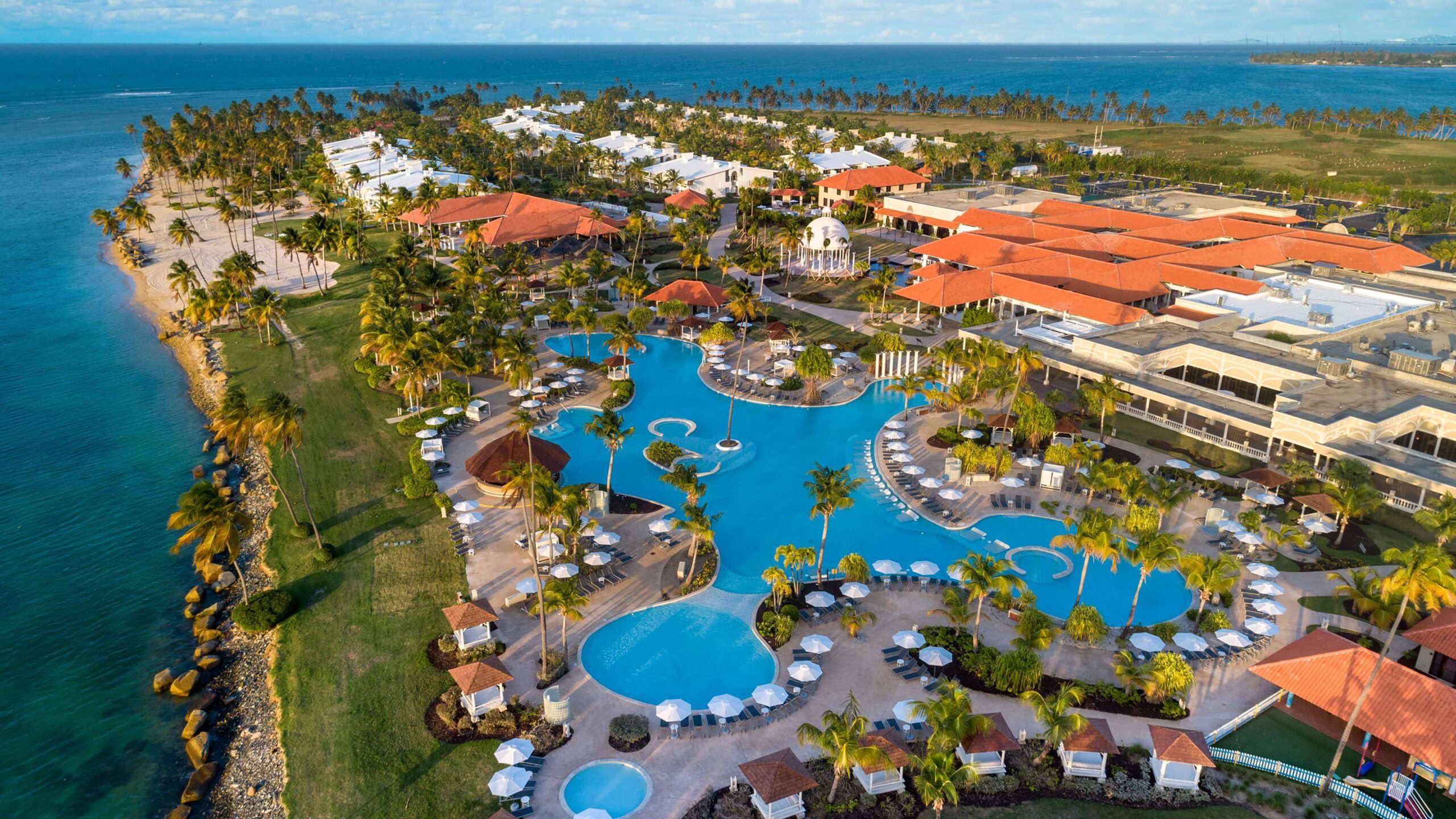
The sale of the former Gran Meliá Hotel to a partnership led by Monarch Alternative Capital, together with Royal Palm Companies and Aimbridge Hospitality, and its rebranding as the Hyatt Regency Grand Reserve marked one of the largest institutional hospitality investments in Puerto Rico’s modern history — and one of the earliest signals that global capital was returning to the island.

AG&T advised on the transaction.

Anatomy of the Deal

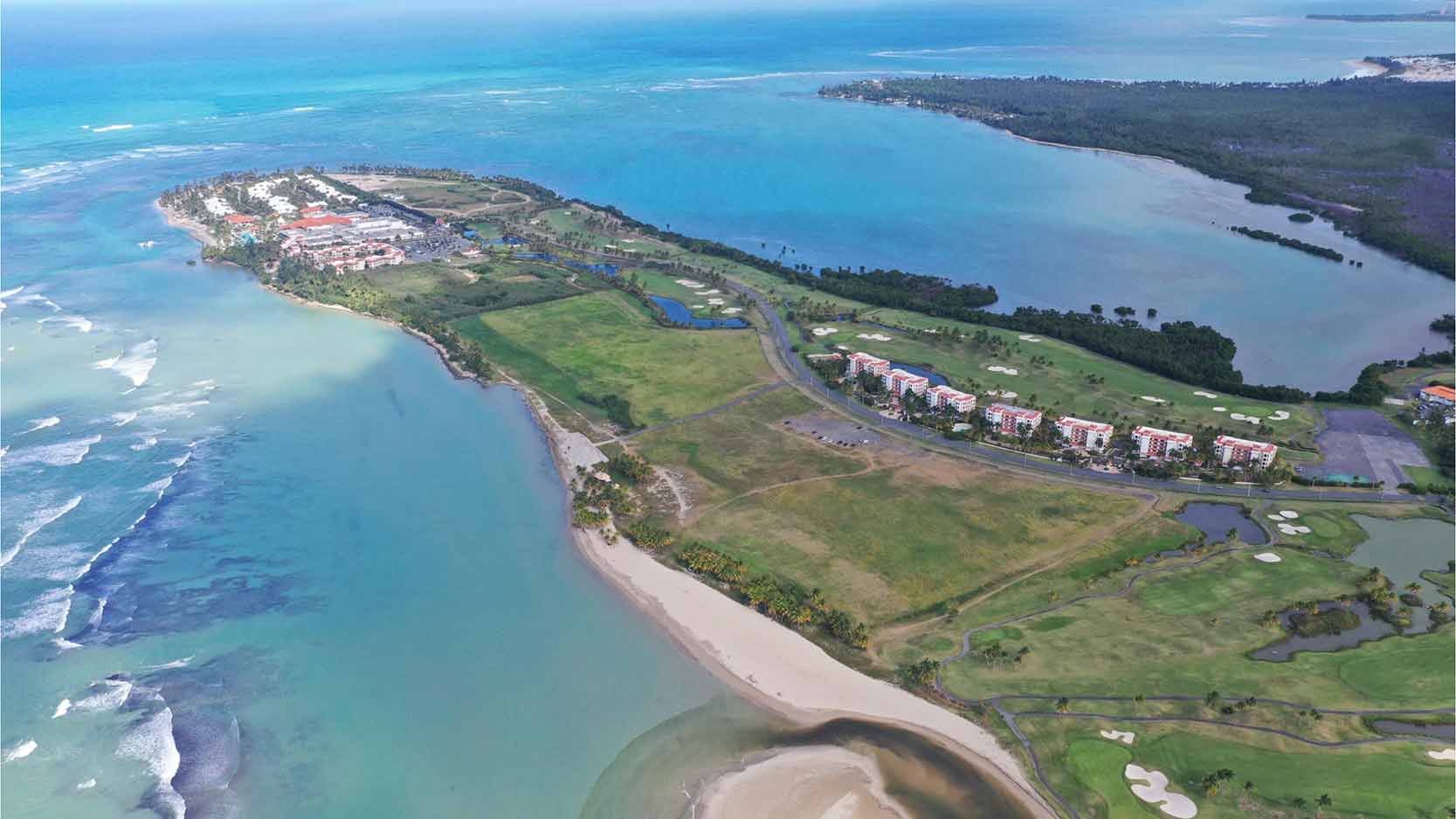
The $120 million transaction repositioned a 486-key luxury property with 135 bedroom units and 14 additional acres of developable land — part of the Grand Reserve (formerly Coco Beach) peninsula in Río Grande.

The capital structure combined:

  • Institutional equity from Monarch Alternative Capital
  • Development expertise from Royal Palm Companies
  • Operational scale from Aimbridge Hospitality
  • Global brand alignment with Hyatt Regency
  • Puerto Rico Tourism Company tax credits under the Puerto Rico Tourism Development Act (Act 74-2010)
  • Opportunity Zone benefits under the U.S. Tax Cuts and Jobs Act of 2017 — for which nearly all of Puerto Rico qualifies

Of the total investment, approximately $100 million was earmarked for renovation and repositioning to Hyatt’s luxury standards.

Beyond a Single Asset

What made the transaction significant was not its scale alone.

It was announced as Phase One of a ten-year master plan — one that would ultimately deliver six hotels, approximately 2,500 new hotel keys, and 1,500 new jobs across the Grand Reserve peninsula. Total planned investment: $1.5 billion.

At a time when many investors were still cautious about Puerto Rico following Hurricane Maria, Monarch’s willingness to double down — expanding its existing interests in the peninsula rather than exiting — sent a clear signal to the broader institutional community.

The Governor’s remarks at the NYU Conference reinforced the message: “Transactions such as these validate that our commitment to tourism is a successful one, and there is a positive environment for investment.”

Why This Transaction Mattered

The Hyatt Regency Grand Reserve deal represented several important firsts for Puerto Rico:

  • The first major post-Maria institutional hotel acquisition at scale
  • The first Puerto Rico transaction combining Act 74 tax credits with Opportunity Zone incentives — a capital stack that has since become a template for the region
  • The first Hyatt Regency in Puerto Rico, elevating the island’s brand standing among global travelers and allocators alike

For AG&T, transactions of this nature reflect our long-held conviction: Caribbean real estate matures when institutional capital, global operators, disciplined development, and government partnership align around long-term vision.

AG&T’s Perspective

We rarely discuss individual transactions publicly. But the Hyatt Regency Grand Reserve deal — announced on one of the industry’s largest stages, by a sitting Governor, involving some of the most respected names in institutional real estate — has become part of the public record of Puerto Rico’s hospitality recovery.

Seven years later, it stands as a marker of what became possible when patient capital, sophisticated developers, and forward-looking government partners committed to the island’s long-term future.

The playbook it established — combining federal Opportunity Zone benefits, Puerto Rico’s tourism incentives, institutional equity, and global operational partners — has since become a foundation for how the most sophisticated Caribbean hospitality transactions are structured today.

At AG&T, our role is quiet by design. But conviction about the Caribbean’s institutional future is not.


AG&T is a Caribbean real estate capital advisor founded in 1998. Principal-led, AG&T has been involved in over 55 development projects across Puerto Rico, Sint Maarten, Costa Rica, the Dominican Republic, and other Caribbean markets — connecting institutional capital with regional opportunity. Contact us to discuss Caribbean hospitality transactions and capital structuring.

The New Reality of Climate Risk: How the Insurance Industry Is Reshaping Caribbean Development

The New Reality of Climate Risk: How the Insurance Industry Is Reshaping Caribbean Development

The New Reality of Climate Risk: How the Insurance Industry Is Reshaping Caribbean Development

The New Reality of Climate Risk: How the Insurance Industry Is Reshaping Caribbean Development

The Caribbean has always lived with hurricanes. What has changed is not the storms — it is how insurance markets, catastrophe modelers, lenders, and institutional investors evaluate the risk.

In the years following Hurricanes Irma and Maria in 2017, insurers and reinsurers fundamentally recalibrated how they assess climate exposure across the region. The consequences of that recalibration are now shaping how Caribbean real estate, hospitality, and infrastructure projects get financed, insured, and built.

In this interview with AM BestTV during the RMS Exceedance Conference in Miami, Adam Greenfader, Chairman of AG&T, discussed what this shift means for developers, allocators, and the future of Caribbean development.

A New Era of Catastrophe Modeling

The change that matters most has happened quietly, behind the scenes.

Insurance companies no longer rely on historical storm data alone. Modern underwriting uses high-resolution climate modeling, predictive analytics, flood and storm surge simulation, and forward-looking climate scenarios that evaluate individual assets with unprecedented precision.

The implication: climate risk has become measurable — and measurable risk is influential risk.

Underwriters and reinsurers now sit alongside institutional lenders and equity investors in shaping which projects get built, at what cost of capital, and under what terms.

The Rules Are Changing

The standards that governed Caribbean construction two decades ago may no longer serve projects entering planning today.

Climate scientists continue to document stronger hurricanes, more rapid storm intensification, heavier rainfall, higher storm surges, and storms that hold destructive strength longer than they used to. While the official Saffir-Simpson scale still stops at Category 5, researchers have begun asking whether an additional classification will be needed as wind speeds continue to exceed historical benchmarks.

Whether or not a formal Category 6 is ever adopted, the underlying message is already clear:

Projects designed to yesterday’s standards will not meet tomorrow’s underwriting.

Resilience as an Investment Strategy

The insurance industry has begun rewarding resilient design with better economics.

Projects incorporating stronger building envelopes, elevated finished-floor levels, impact-resistant materials, redundant utility systems, flood mitigation, backup power, and nature-based resilience strategies are increasingly attractive to insurers, lenders, and institutional investors.

These investments improve insurability, reduce long-term operating costs, and enhance asset value.

Resilience has moved from being a construction expense to being a financial input — one that materially affects returns.

Beyond Building Codes

Meeting current code is no longer the finish line.

Forward-thinking owners are designing beyond minimum standards — anticipating higher wind loads, longer-duration storms, greater rainfall intensity, coastal flooding, and the strategic importance of energy independence and infrastructure redundancy.

The question shaping the best Caribbean development projects today is no longer “Does this meet code?” but “How will this asset perform in 2050?”

That shift in framing — from present compliance to long-horizon performance — is quietly redefining what “institutional-grade” means in the region.

Implications for the Caribbean

For island economies dependent on tourism and hospitality, the stakes are exceptional.

Hotels, resorts, marinas, airports, residential communities, and critical infrastructure must now demonstrate their ability to withstand climate conditions that did not exist when many existing assets were designed.

Projects that fail to adapt face higher insurance costs, more restrictive financing, or reduced investor interest. Projects that get resilience right are increasingly viewed as lower-risk, more durable, capable of generating stronger long-term returns.

The gap between adaptive projects and legacy projects will widen — and capital will follow the adaptive side of the divide.

AG&T’s Perspective

At AG&T, we believe the insurance industry is quietly driving one of the most important transformations in Caribbean development.

By redefining how climate risk is measured and priced, insurers are pushing developers to rethink not only how projects are built — but how they are planned, financed, and operated across their full life cycle.

The next decade of Caribbean real estate will not be defined by architectural ambition or exceptional locations. It will be defined by resilience — by projects capable of remaining insurable, financeable, and operational through a climate regime that no longer resembles the one we designed for.

Developers who embrace higher design standards, smarter infrastructure, nature-based solutions, and long-term climate adaptation will be better positioned to attract institutional capital and create assets that endure for generations.

The conversation is no longer about recovering after the next storm. It is about building communities capable of thriving despite them.


AG&T is a Caribbean real estate capital advisor founded in 1998. Principal-led, AG&T has been involved in over 55 development projects across Puerto Rico, Sint Maarten, Costa Rica, the Dominican Republic, and other Caribbean markets — connecting institutional capital with regional opportunity. Contact us to discuss climate-resilient development in the Caribbean.


From Ideas to Action: Helping Rebuild Puerto Rico Through ULI Advisory Services

From Ideas to Action: Helping Rebuild Puerto Rico Through ULI Advisory Services


Thought leadership is important…But real leadership is measured by action.

Following the catastrophic devastation caused by Hurricane Maria in 2017, Puerto Rico faced one of the greatest rebuilding challenges in its modern history. Communities across the island were confronted not only with repairing damaged infrastructure and housing, but with a much larger question:

How do we rebuild stronger than before?

Rather than simply discussing resilience from the conference stage, AG&T joined a multidisciplinary team of national experts through the Urban Land Institute (ULI) Advisory Services Program to help answer that question.


Supported by The Kresge Foundation, ULI Southeast Florida/Caribbean, Alvarez-Díaz & Villalón, and the Puerto Rico Builders Association, the Advisory Services Panel traveled to the Municipality of Toa Baja to work directly with local government, business leaders, community organizations, and residents to develop a practical roadmap for long-term recovery and resilience.

Turning Expertise into Action

ULI’s Advisory Services Panels are among the organization’s highest forms of professional service.

Rather than serving as conferences or academic exercises, these panels assemble nationally recognized experts in planning, architecture, engineering, finance, economic development, housing, resilience, public policy, and real estate to solve complex urban challenges.

For one intensive week, the team immersed itself in Toa Baja meeting with local stakeholders, touring neighborhoods, evaluating damaged infrastructure, reviewing economic data, and identifying opportunities that could strengthen the municipality for generations to come.

For AG&T, organizing and participating in the panel reflected a core belief:

Knowledge creates value only when it leads to action.

The Challenge

Among Puerto Rico’s municipalities, Toa Baja was one of the hardest hit by Hurricane Maria.

The municipality sustained more than $1.3 billion in damages, with widespread impacts to housing, businesses, transportation infrastructure, utilities, and public facilities.

Its geographic location also made it particularly vulnerable to future flooding, storm surge, sea-level rise, and other climate-related hazards.

The challenge extended well beyond reconstruction.

The objective was to create a strategy for a safer, stronger, and more economically resilient community.

Looking Beyond Recovery

The panel’s recommendations extended far beyond repairing damaged buildings.

Instead, the team examined how resilience could become a catalyst for economic development.

Among the key areas explored were:

  • Identifying Toa Baja’s long-term competitive advantages within Puerto Rico and the Caribbean.

  • Strengthening economic drivers capable of creating sustainable employment.

  • Improving land use planning to reduce exposure to flooding and future storm events.

  • Integrating resilience into future housing and commercial development.

  • Leveraging public-private partnerships to accelerate investment.

  • Creating more efficient land development processes.

  • Expanding access to resilient housing for residents across all income levels.

  • Aligning reconstruction efforts with long-term economic growth rather than short-term recovery.

The panel also examined how natural systems, coastal conditions, transportation networks, and infrastructure investments could work together to create a more resilient municipality.


Resilience as Economic Development

One of the panel’s most important conclusions was that resilience should not be viewed simply as disaster preparedness.

Well-designed resilient communities are also stronger economies.

Investments in flood mitigation, resilient infrastructure, modern utilities, housing, transportation, environmental restoration, and thoughtful land planning improve quality of life while making communities more attractive for residents, businesses, investors, and employers.

Today, that philosophy has become increasingly accepted throughout the development industry.

Institutional investors, lenders, insurers, and governments now recognize resilience as a critical component of long-term value creation.

From Recommendations to Lasting Impact

Although the Advisory Services Panel lasted only one week, its influence extended well beyond the final presentation.

The report continues to serve as a strategic resource for municipal planning, resilience initiatives, economic development discussions, and future investment opportunities.

More importantly, it demonstrated what can be achieved when the public sector, private industry, nonprofit organizations, and community leaders collaborate toward a common objective.

The challenges facing island communities require integrated solutions.

No single organization can solve them alone.

AG&T’s Commitment

For AG&T, participating in the Toa Baja Advisory Services Panel reflects the type of work we believe matters most.

Our role extends beyond advising individual developments. We are equally committed to helping strengthen the communities in which those projects exist.

Over the years, AG&T has contributed to numerous initiatives involving the Urban Land Institute, the Puerto Rico Builders Association, universities, government agencies, institutional investors, and nonprofit organizations, all with the shared objective of advancing sustainable economic development throughout Puerto Rico and the Caribbean.

Whether the challenge involves resilience, housing, hospitality, infrastructure, climate adaptation, or economic competitiveness, we believe meaningful progress begins with collaboration.

Because rebuilding communities is about more than replacing what was lost. It is about creating places that are stronger, safer, more prosperous, and better prepared for the future.

That is the kind of work that creates lasting impact.

Download the complete ULI Advisory Services Panel Report for the Municipality of Toa Baja to explore the team’s recommendations for building a more resilient and economically vibrant community.

Investing in the Next Generation of Caribbean Real Estate Leadership

Thought leadership

Investing in the Next Generation of Caribbean Real Estate Leadership


At AG&T, we believe that one of the most important investments we can make is not in a development project, but in the people who will shape the future of our industry.

For many years, AG&T has proudly supported the University of Miami’s Master of Real Estate Development + Urbanism (MRED+U) Program by mentoring graduate students, providing internship opportunities, and exposing future industry leaders to the realities of real estate development throughout the Caribbean.

Our commitment goes well beyond offering a semester internship.

Each year, Adam Greenfader, Chairman of AG&T, personally mentors a graduate student, providing direct exposure to every aspect of the development process, from market analysis and capital structuring to hospitality development, public-private partnerships, investment strategy, and project execution. Interns are encouraged to participate as members of the AG&T team, working alongside developers, investors, architects, hotel operators, government officials, and financial institutions on active assignments across the Caribbean.

Many have had the unique opportunity to travel throughout the region, gaining firsthand experience in destinations including Puerto Rico, Sint Maarten, the Dominican Republic, and other Caribbean markets. Rather than learning solely through case studies, they experience the complexities of island development, hospitality investment, infrastructure planning, and capital markets in real time.

This philosophy is deeply personal.

Adam Greenfader’s own professional journey was profoundly influenced by his education in the Master of Real Estate Development program at the University of Southern California. The interdisciplinary approach of combining finance, planning, design, development, and public policy provided the foundation for a career spanning more than three decades and over fifty-five development projects throughout the Caribbean.

Having benefited from exceptional mentors early in his career, Adam has made it a priority to provide similar opportunities for the next generation.

Over the years, AG&T interns have gone on to build successful careers with leading development companies, investment firms, hospitality organizations, lenders, and advisory firms throughout the United States and the Caribbean. Several have remained active collaborators with AG&T long after completing their internships, reflecting relationships that extend well beyond a single academic semester.

The internship program is also a reflection of AG&T’s broader mission.

As a Caribbean real estate development and capital advisory firm, we believe the future of the region depends on cultivating talented professionals who understand both the global capital markets and the unique opportunities and responsibilities of developing within island economies. Technical skills are essential, but equally important are curiosity, integrity, collaboration, cultural awareness, and a long-term commitment to creating places that strengthen communities.

Each new class brings fresh perspectives, diverse backgrounds, and innovative ideas that challenge all of us to think differently about the future of real estate.

This year’s University of Miami MRED+U cohort is no exception.

We are excited to welcome another outstanding group of graduate students to AG&T. Representing a remarkable diversity of professional experiences, cultures, languages, and academic disciplines, they embody the global perspective that is increasingly defining our industry. Their curiosity, ambition, and willingness to engage with complex development challenges give us tremendous optimism for the future of Caribbean real estate and hospitality.

The exchange of ideas works both ways. While we hope to share our experience across the Caribbean, our interns continually bring new thinking, emerging technologies, and fresh approaches that enrich our own work. Mentorship is not simply about teaching—it is about learning together.

To this year’s class: welcome to AG&T.

We look forward to working alongside you, challenging you, learning from you, and helping you build the foundation for what we hope will be long and meaningful careers in real estate development.

The future of our industry is in good hands.

Caroline Cozzi – See Linkedin Profile 

Francisco Masso –  See Linkedin Profile

Xiaoyun Jiang 


If you are interested in joining our internship program contact us


Creating a Forum for Caribbean Thought Leadership: The First ULI Caribbean Roundtable

Creating a Forum for Caribbean Thought Leadership: The First ULI Caribbean Roundtable


Great ideas rarely emerge in isolation. They are born through conversation, collaboration, and the willingness to bring together people with different perspectives to solve shared challenges.

That belief inspired the launch of the ULI Caribbean Roundtable, an initiative created to establish a regular forum where leaders from across the Caribbean real estate, hospitality, finance, planning, and development industries could exchange ideas and discuss the opportunities shaping the region’s future.

Chaired by Adam Greenfader, Chairman of AG&T and then Chair of the ULI Southeast Florida/Caribbean Council, the inaugural Roundtable brought together a diverse group of developers, investors, architects, financial advisors, and industry leaders committed to advancing thoughtful, sustainable growth throughout the Caribbean.

Among the featured speakers were:

  • Emilio Colón Zavala, President, Puerto Rico Builders Association

  • Ricardo Álvarez-Díaz, Founder and CEO, Álvarez-Díaz & Villalón (AD&V)

  • Robbie Karver, Ernst & Young (EY), Hospitality Advisory

The event was made possible through the collaboration of the Urban Land Institute Southeast Florida/Caribbean District Council and its outstanding leadership team, whose commitment helped establish what would become an ongoing series of conversations focused on the future of Caribbean development.

A Region Entering a New Chapter

The discussion took place during a pivotal moment for the Caribbean.

Only two years after Hurricanes Irma and Maria, the region was rebuilding with renewed optimism while simultaneously attracting increased interest from institutional investors, global hotel brands, and international developers.

Despite recent challenges, the panel shared a remarkably optimistic outlook.

  1. Tourism fundamentals remained strong.
  2. Airlift continued to expand.
  3. Hotel occupancy was recovering rapidly.
  4. Luxury travel demand remained resilient.
  5. Most importantly, investors continued to believe in the long-term strength of the Caribbean hospitality market.


Key Themes That Continue to Shape the Region

Several observations made during the Roundtable remain remarkably relevant today.

Access Drives Investment

The panel agreed that air connectivity remains one of the most important drivers of tourism and hospitality investment.

Destinations with strong international airlift continue to outperform, creating greater confidence among developers, lenders, hotel operators, and institutional investors.

The Caribbean Is Maturing

Rather than being viewed as a collection of isolated resort destinations, the Caribbean has increasingly evolved into a sophisticated investment market offering diverse opportunities across hospitality, branded residences, mixed-use development, marinas, logistics, and infrastructure.

This maturation has attracted increasingly sophisticated sources of capital seeking long-term investment opportunities.

Puerto Rico’s Competitive Position

The discussion also highlighted Puerto Rico’s unique advantages.

Federal disaster recovery funding, Opportunity Zones, tourism incentives, and the island’s attractive tax framework were already positioning Puerto Rico for renewed investment.

Many of those early observations have since materialized, with Puerto Rico experiencing record tourism performance, significant hospitality investment, and growing institutional interest.

Resilience Creates Value

One of the most encouraging conclusions reached during the Roundtable was that resilience does not necessarily reduce investment returns.

Developers increasingly recognized that resilient design, stronger construction standards, and sustainable planning can enhance long-term asset performance while reducing future risk.

Today, resilience has become a central component of hospitality development throughout the Caribbean.

Building More Than Conversations

Looking back, the greatest achievement of the Caribbean Roundtable was not any single discussion.

It was the creation of an ongoing community.

Over the following years, the Roundtable welcomed leaders from organizations including Hilton, CBRE Hotels, IDB Invest, Discover Puerto Rico, Apple Leisure Group, Sculptor Real Estate, major financial institutions, developers, architects, government agencies, and global investors.

Each conversation expanded the dialogue around the issues shaping Caribbean development—from hospitality and branded residences to climate resilience, institutional capital, infrastructure, manufacturing, tourism, and public-private partnerships.

AG&T’s Perspective

For AG&T, organizing the Caribbean Roundtable reflected a long-standing philosophy.

Economic development begins by bringing people together.

Throughout our history, we have sought to connect government leaders, investors, developers, hotel brands, universities, planners, architects, financial institutions, and entrepreneurs around one common objective: creating a stronger, more resilient Caribbean.

The Roundtable became one of many platforms through which those conversations could occur.

Today, those discussions continue to influence the way we think about hospitality, resilience, investment, and sustainable development across the region.

Because while individual projects may define skylines, it is collaboration that ultimately shapes the future of communities.

ULI Panel To Advise Puerto Rico on Hurricane Resilience

The Urban Land Institute to Advise Toa Baja, Puerto Rico on Hurricane Preparedness and Resilience

POSTED ON NOVEMBER 29, 2018 BY JUSTIN ARNOLD

https://americas.uli.org/advisory-service-panels/toa-baja-puerto-rico-resilience-advisory-services-panel/

Nationally Renowned Panel of Land Use and Urban Planning Experts to Visit Area December 3-7.

For more information contact Adam Greenfader at adam@agandt.net.

WASHINGTON (November 29, 2018) – A group of nationally renowned land use, real estate, and urban planning experts representing the Urban Land Institute (ULI) will be providing strategic recommendations and advice next week to the municipality of Toa Baja, Puerto Rico, on how to best improve preparedness for extreme weather events and ensure all residents benefit from investments in resilience.

ULI is a global, multidisciplinary real estate organization whose work is driven by 42,000-plus members dedicated to responsible land use and building thriving, sustainable communities. The ULI representatives, convened through ULI’s renowned Advisory Services program, will be visiting Toa Baja, Puerto Rico from Sunday, December 3 through Friday, December 7. The panel will provide strategic advice on resilience, economic development, housing, and land use protocols. Items to be addressed include:

  • implementing land use processes to mitigate environmental risks,
  • securing access to partnerships and investment opportunities, and
  • leveraging competitive economic advantages and drivers to ensure all residents benefit from improved resilience.

During the week, the panelists will tour the study area and spend two days meeting and interviewing stakeholders from the public and private sectors, including Toa Baja Municipality leadership and Mayor “Betito” Marquez. After carefully analyzing the site and completing the interviews, the panelists will then frame their recommendations and draft a presentation that will be made to the public at the end of the visit.


The panel’s upcoming visit was initiated when the Urban Land Institute Advisory Services team was invited by ULI SE Florida/Caribbean, Puerto Rico’s Builder’s Association and the municipality of Toa Baja leadership in late August 2018 to discuss the opportunity to provide technical assistance to enhance the community’s economic and climate resilience. The team received context of Hurricane Maria and Irma’s impacts as well as a guided tour of areas the municipality identified in need of reinvestment.

“This is a unique opportunity to showcase a community that represents a microcosm of the entire Island of Puerto Rico,” said ULI Foundation Governor and ULI Puerto Rico Co-Chairman Ricardo Alvarez-Diaz, who is chief executive officer and president of Alvarez-Diaz & Villalon. “Our goal is to take the panel’s recommendations and implement them not only in Toa Baja but throughout the whole island.”

The chairman of the panel is ULI Life Trustee James DeFrancia, president of community development at Lowe Enterprises in Denver, Colorado. “We are excited to bring the expertise of our members to Toa Baja,” DeFrancia said. “The strength of the Advisory Services program lies in ULI’s unique ability to draw on the substantial knowledge of members representing all aspects of the real estate industry. The independent views of the panelists bring a fresh perspective to land use challenges. The advisory services program is all about offering creative, innovative approaches to community building.”

DeFrancia will be joined on the panel by Sarah Sieloff, executive director, Center for Creative Land Recycling, Oakland, California, who will serve as vice chairman, and panel members Michael Bloom, department manager, sustainability practice, R.G. Miller Engineers, Inc, Houston, Texas, Trini Rodriguez, principal, ParkerRodriquez, Inc., Alexandria, Virginia, Thomas Roth, principal, Grass River Property, Coconut Grove, Florida, Don Edwards, chief executive officer and principal, Justice & Sustainability Associates, Washington, D.C., Chris Calott, LaLanne Chair – R.E. development, architecture and urbanism and associate professor of architecture, University of California, Berkley, California, Jessica Boehland, senior program officer, environment, The Kresge Foundation, Detroit, Michigan, and Bob van der Zande, director of residential markets, City of Amsterdam, Metropolitan Region.

The assignment for Toa Baja is part of a series of advisory panels being supported by a generous grant from The Kresge Foundation to advance the Institute’s promotion of urban design and development practices that are more resilient and adaptable to the impacts of climate change. With Kresge’s support, ULI is leveraging the substantial expertise of its members to provide guidance on community building in a way that helps to preserve the environment as well as boost prosperity and foster a high quality of life.

Now in its 71st year, ULI’s globally renowned advisory services program assembles experts in the fields of real estate and land use planning to participate on panels worldwide, offering recommendations for complex planning and development projects, programs and policies. Panels have developed more than 700 studies for a broad range of land uses, ranging from waterfront properties to inner-city retail.

Past sponsors of ULI advisory service panels include: federal, state and local government agencies; regional councils of government; chambers of commerce; redevelopment authorities; private developers and property owners; community development corporations; lenders; historic preservation groups; non-profit community groups; environmental organizations and economic development agencies.

NOTE TO REPORTERS AND EDITORS: Members of the public and media are invited to a reception on Monday, December 3rd, from 5:30 pm – 7:00 pm at the Centro Las Dos Fuentes, 867 Carr Rio Hondo, Toa Baja, PR. The panel will provide its recommendations at a public presentation on Friday, December 7th at 9:00 am at the Centro Comunal Rafael “Pipo” Negron Calle Aetria Ingenio in Toa Baja, Puerto Rico.

About the Urban Land Institute
The Urban Land Institute is a nonprofit education and research institute supported by its members. Its mission is to provide leadership in the responsible use of land and in creating and sustaining thriving communities worldwide. Established in 1936, the institute has more than 40,000 members worldwide representing all aspects of land use and development disciplines.


Sponsor thanks:

 Kresge Foundation, ULI Southeast Florida,  Puerto Rico Builders Association.

For more information: adam@agandt.net


Financing Puerto Rico’s Recovery: The Largest Reconstruction Program in Modern U.S. History

Financing Puerto Rico's Recovery: The Largest Reconstruction Program in Modern U.S. History


The rebuilding of Puerto Rico following Hurricanes Irma and Maria represents far more than a disaster recovery effort.

It has become one of the largest public investment programs in modern American history and a once-in-a-generation opportunity to modernize the island’s housing, infrastructure, economy, and long-term resilience.

Recognizing the unprecedented scale of this transformation, The Center for Puerto Rican Studies at Hunter College (CUNY) and the University of Puerto Rico Graduate School of Planning convened a conference bringing together public officials, planners, developers, financial institutions, and economic development professionals to explore how federal recovery programs could be leveraged to create lasting economic growth.

For AG&T, the discussion reinforced an important principle:

Recovery funding should not simply replace what was lost.

It should create a stronger Puerto Rico.

A Historic Investment

In the years following Hurricanes Irma and Maria, Puerto Rico became the recipient of one of the largest federal reconstruction commitments ever made to a U.S. jurisdiction.

Federal funding has supported the rebuilding of schools, hospitals, roads, bridges, airports, ports, electrical infrastructure, water systems, housing, public facilities, and community resilience initiatives.

Equally important, these programs created opportunities to combine public funding with private investment to accelerate long-term economic development.

Rather than viewing disaster assistance as an isolated funding source, many projects began leveraging multiple federal and local programs to improve financial feasibility and maximize community impact.

Building a Comprehensive Capital Stack

One of the central themes of the conference was understanding how different federal programs could work together.

Successful projects increasingly combined grants, tax incentives, private equity, debt financing, and public-private partnerships to create sustainable investment structures.

Among the most important programs discussed were:

Community Development Block Grant – Disaster Recovery (CDBG-DR)

The CDBG-DR program became one of the primary funding mechanisms supporting Puerto Rico’s long-term recovery.

Unlike traditional disaster assistance, CDBG-DR provides flexible funding for housing, infrastructure, economic revitalization, planning, and community development projects designed to strengthen resilience while improving quality of life.

These investments continue to transform communities throughout the island.

Opportunity Zones

Puerto Rico contains one of the highest concentrations of federally designated Opportunity Zones in the United States.

The program provides significant federal capital gains tax incentives for long-term investment while encouraging private capital to participate in redevelopment efforts across economically distressed communities.

Combined with Puerto Rico’s local tax incentive programs, Opportunity Zones created a unique investment environment unlike anywhere else in the United States.

HUBZone Program

The federal HUBZone program was designed to increase contracting opportunities for businesses operating in historically underserved communities.

For Puerto Rico, expanding participation in federal procurement represented an opportunity to retain more reconstruction dollars on the island while strengthening local businesses and creating employment.

Low-Income Housing Tax Credits (LIHTC)

Affordable housing remains one of Puerto Rico’s greatest long-term challenges.

The LIHTC program continues to serve as one of the nation’s most successful public-private financing tools, attracting private capital to develop affordable housing while supporting resilient community development.

New Markets Tax Credits (NMTC)

The New Markets Tax Credit program encourages private investment in economically distressed communities through federal tax incentives.

With the vast majority of Puerto Rico qualifying under NMTC criteria, the island possesses significant opportunities to leverage this program for mixed-use developments, commercial revitalization, healthcare, manufacturing, education, and community facilities.

USDA Rural Development Programs

Many of Puerto Rico’s rural municipalities continue to benefit from USDA financing programs supporting housing, water systems, renewable energy, business development, and community infrastructure.

Although historically underutilized, these programs offer valuable financing opportunities for projects outside the island’s major metropolitan areas.

Beyond Recovery

One of the most important lessons emerging from the conference was that reconstruction funding should not simply restore damaged assets.

It should improve them.

The conversation emphasized resilient infrastructure, sustainable development, renewable energy, affordable housing, economic diversification, and stronger public-private partnerships as essential components of Puerto Rico’s future.

Rather than rebuilding yesterday’s economy, the island has an opportunity to create one that is more competitive, more resilient, and better prepared for future generations.

AG&T’s Perspective

For more than three decades, AG&T has worked at the intersection of real estate, hospitality, infrastructure, finance, and economic development throughout Puerto Rico and the Caribbean.

Our experience has consistently demonstrated that successful development depends not only on great projects, but on assembling the right capital stack.

  1. Federal grants.
  2. Tax incentives.
  3. Private equity.
  4. Institutional capital.
  5. Development finance.
  6. Strategic partnerships.

When thoughtfully combined, these tools have the ability to unlock transformational projects that would otherwise remain impossible.

Puerto Rico’s reconstruction has demonstrated what can be achieved when government, private industry, nonprofit organizations, universities, and investors work together toward a shared vision.

The rebuilding effort continues today, but its greatest legacy may not be the billions of dollars invested.

It will be the opportunity to create a stronger, more resilient, and more prosperous Puerto Rico for generations to come.

Puerto Rico’s Turning Point: Looking Beyond the Crisis

In 2018, less than a year after Hurricanes Irma and Maria devastated Puerto Rico, the headlines focused almost exclusively on destruction, migration, and uncertainty.

At AG&T, we saw something different. While acknowledging the immense humanitarian and economic challenges facing the island, we believed Puerto Rico was entering a period of profound transformation. The combination of federal reconstruction funding, economic reform, tax incentives, private investment, and long-overdue infrastructure modernization created the foundation for what could become one of the island’s most significant economic renaissances in decades.

That perspective was featured in an interview with Bisnow South Florida, where Adam Greenfader discussed Puerto Rico’s long-term outlook, the rebuilding process, and why the island’s greatest opportunities still lay ahead.

Several of the themes discussed in the interview have proven remarkably accurate. Puerto Rico experienced one of the largest reconstruction efforts in modern U.S. history, supported by tens of billions of dollars in federal investment for housing, infrastructure, utilities, schools, healthcare facilities, and resilience projects.

  • Tourism reached record levels.
  • Luxury hospitality investment accelerated.
  • New residents, entrepreneurs, family offices, technology companies, and investment funds relocated to the island, strengthening sectors ranging from real estate and finance to life sciences and technology.

The discussion also anticipated the growing importance of Puerto Rico’s tax incentive programs, Opportunity Zones, and the island’s role as a gateway between the United States, Latin America, and the Caribbean.

At the same time, many of the challenges identified remain part of Puerto Rico’s ongoing conversation, including housing affordability, infrastructure modernization, energy resilience, insurance costs, population dynamics, and creating economic growth that benefits all Puerto Ricans.

AG&T’s Perspective

For more than three decades, AG&T has believed that Puerto Rico’s future extends far beyond disaster recovery. The island possesses exceptional long-term advantages, including its strategic location, U.S. legal and financial framework, highly educated bilingual workforce, manufacturing base, expanding hospitality sector, and unique tax and investment incentives.

Our work has consistently focused on helping connect these strengths with responsible private investment while promoting resilient, sustainable, and inclusive economic development.

The interview below captures an important moment in Puerto Rico’s history when rebuilding was just beginning and the island’s future remained uncertain.

Looking back today, it serves as a reminder that meaningful transformation often begins long before the results become visible.

The following article originally appeared in Bisnow South Florida and is reproduced here with permission/summary for historical context.

Puerto Rico After The Hurricanes: Investors And Bitcoin Cowboys Are Circling

By Deirdra Funcheon as Published in Bisnow South Florida

Puerto Rico has been desperate for aid that has been too slow and insufficient following hurricanes Irma and Maria in 2017. But a few on the island say the attention followed might ultimately be a net positive for the commonwealth. “The bottom line is that Puerto Rico in the next two to three years is expected to see strong growth — 3 to 3.5% of GDP,” said Adam Greenfader, principal of Miami-based AG&T Development and Advisory Services. “It hasn’t had growth in 12 years. A depression is defined as negative economic growth for three quarters, so for all intents and purposes, Puerto Rico has been in a depression for 12 years.”

Greenfader married into a family that facilitates Section 8 housing throughout Puerto Rico. He then became a developer there himself. Currently, he serves as the liaison to the Puerto Rico Builders’ Association and the chair of the Urban Land Institute’s Caribbean Council. Greenfader points out that while last summer’s hurricanes devastated the commonwealth, jobs had already been scarce for more than a decade as the government faced a crippling debt crisis, owing $123B and declaring bankruptcy last spring. Though an estimated 150,000 Puerto Ricans fled to the U.S. mainland after the hurricanes, between 60,000 and 70,000 residents had already been leaving each year of the crisis. Puerto Rico’s current population is about 3.5 million, down from a peak of about 4 million, Greenfader said.

Turnaround efforts began years ago. Reforms enacted in 2012 enticed businesses and high net worth individuals to relocate to Puerto Rico by taxing corporate profits at a flat 4% and eliminating taxes on dividends, interest and capital gains for anyone who resided at least half the year in Puerto Rico. For anyone selling a company or large amounts of stock, these measures could result in saving millions of dollars on taxes. Famously, Putnam Bridge Funding CEO Nicholas Prouty invested more than $100M and relocated his family. Billionaire John Paulson bought several hotels. Michael E. Tennenbaum founded Caribbean Capital & Consultancy Corp. Goldman Sachs and various hedge funds moved in and bought distressed mortgages for pennies on the dollar. 

Greenfader said that about 1000 high net worth individuals moved to the island, and about 200 are coming each year. Cottage industries sprung up to cater to these ultra-wealthy.  Then last year’s hurricanes blew through, knocking out power and killing 64 people directly and 4,645 in total, according to Harvard University. Though the U.S. government responded painfully slowly, $18B in aid has been approved from the Department of Housing and Urban Development, and billions more are expected, Greenfader said.

Recovery is slow, but happening. Tesla built a solar array to power a children’s hospital. Doctors are being offered tax incentives to stay in Puerto Rico. Private insurance companies have started to pay claims, so 60% of hotels are now operational, Greenfader said. He believes that when the economy improves, exiles will move back. 

Publicity around the hurricanes certainly brought attention to the commonwealth. Immediately after the hurricanes, only about half of Americans knew that Puerto Rico was part of the United States; that number has since risen to 76%. Following the disaster, dozens of cryptocurrency entrepreneurs relocated to San Juan to buy hundreds of thousands of acres of land, take advantage of the tax structure and set up a “crypto utopia.” Greenfader suggested there is more opportunity for economic recovery: Puerto Rico’s tourism industry makes up only 6.5% of gross domestic product, whereas on many Caribbean islands, that figure is 50% or more. That is by design, he said; in the 1950s and ’60s, laws were structured to keep out the Mafiosos who ran Cuba. It could be increased substantially. 

Furthermore, the island has long had a mishmash system of collecting property taxes, partly because so many homes are built informally or illegally — “People get a paycheck, buy [a] few beers, invite their friends and family over to build a wall at a time,” Greenfader said — and partly because the tax code hasn’t been revised since 1950s. “A property worth a million dollars might pay no more than $2K, $3K in taxes for a year,” Greenfader said. A better system of collecting taxes could be implemented to make the government more solvent.  Although he is optimistic, Greenfader acknowledged the challenges.

While Puerto Rico is a diverse society, where rich and poor have long mixed freely, the influx of people taking advantage of the tax breaks is “adding an upper class the island never had before,” he said, and there has been some blowback. Workaday employees are facing pension cuts and austerity measures as Puerto Rico grapples with its debt. Currently, according to Democracy Now, 55,000 residents are in foreclosure and the government is turning to privatization as the solution for economic woes, which will enrich investors but hurt the working class. In a Bloomberg article Monday about the search for someone to buy the country’s beleaguered electric company, which goes so far as to ask potential buyers how they would like to be regulated, a Puerto Rico resident said, “We are tired of people coming here to get rich and take advantage of us.”  Some grass-roots organizations have taken shape to resist Wall Street — forces that author Naomi Klein explores in a new book, “The Battle for Paradise: Puerto Rico Takes On the Disaster Capitalists.”

Greenfader noted that insurance premiums will likely continue to rise, and the Jones Act, a shipping law that requires goods to stop in a mainland port, makes commodities expensive. Whatever economic policies prevail, at least new construction on the island should be more resilient. Greenfader said builders already adhere to codes that mirror Miami-Dade’s, which were made stronger after Hurricane Andrew in 1992. They use reinforced concrete and no wood. Going forward, he said, there is a commitment to using more sustainable designs, particularly in the energy space, such as solar power arrays and micro electric grids. Today, about 10,000 customers in Puerto Rico who lost electricity after last year’s hurricanes are still without power. 

Read more