
This post is protected. To view it, enter the password below!

This post is protected. To view it, enter the password below!

How hotels are capturing a new designer dream
by Lois Avery
When the Versace Hotel opened in 2001 on Australia’s Gold Coast, it was billed as ‘the world’s first fully fashion-brand hotel’. Everything from the soap to the swimming pool carried the Versace stamp and it signaled the start of a travel trend: fashion conscious globetrotters paid a premium to immerse themselves in the world and wardrobes of the catwalk’s greatest visionaries.
Bulgari, Armani, Missoni and Louis Vuitton followed suit. Their exclusive properties serve as 24-hour shop windows with everything from the furniture to the fine dining carrying their ubiquitous logos.
“Hotels that bear the name of top-of-the-line fashion houses such as Armani or Bulgari are normally priced at the top end of the luxury hotel segment. ,” said Tasos Kousloglou, Senior Vice President of JLL’s Hotels and Hospitality Group. “The thinking behind it is that this type of lifestyle product can command a premium price and weather financial crisis. However, the ultimate success of such ventures long-term has yet to be proven.”
For fashion designers it’s a profitable partnership. “It’s like when designers branch out into watches or fragrances; it’s expanding their reach and it’s about brand awareness, diversification and an additional income stream hey ultimately benefit,” he adds.
“For developers, a designer collaboration requires substantial investment when every fixture and fitting of the hotel is branded. Their experimental nature often creates design, maintenance and operational challenges” says Kousloglou. And this may result in high capital, labor and fees that hinder profitability.
“Hotel developers and operators are finding it harder to differentiate themselves and such a financial commitment needs a return.”
Designed to be different
The international tourism market is more competitive than ever. The hotel industry has been racing to keep up with the demand, introducing a range of new brands to bolster travelers’ choice.
With such massive supply, differentiation becomes key.
“It used to be all about the star rating, three, four, five, but that’s not widely used anymore, particularly in China. Now it’s segmented by budget – economy, mid-scale and luxury.”
New trends
The increasing number of upscale and boutique brands competing for market share must balance the cost-efficiency of their collaborations in the face of rising competition.
Rather than a full-branded partnership, American designer Oscar de la Renta, for example, teamed up with The Peninsula Hotel group to create bathroom amenities, including a bespoke fragrance. Diane Von Furstenberg, Karl Lagerfeld and Vivienne Tam have also put their names to carefully selected corners of the hotel market, ranging from a single suite to artwork.
“What we are seeing is the lifestyle brand branch out – from fashion to more design-lead collaborations.”
Even developers are taking lessons from designers at the planning stage. Renowned architect Zaha Hadid has put her name to showpiece properties in Macau and Dubai.

The changing attitudes of millennials will drive the trend for personalization.
Haute couture may have dictated design ten years ago and fashion followers will continue to seek out designer dreams. But a new trend is transforming the hospitality industry and one thing is certain: it’s personal.

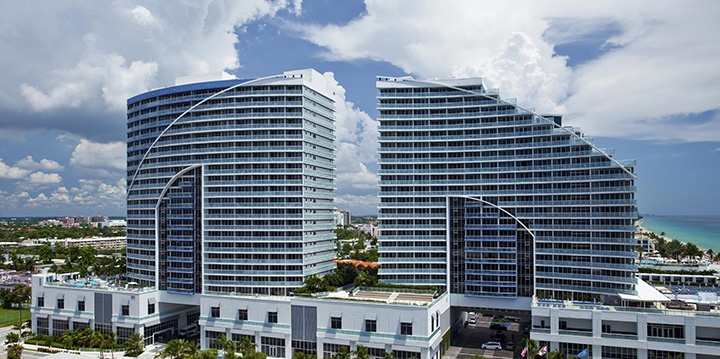
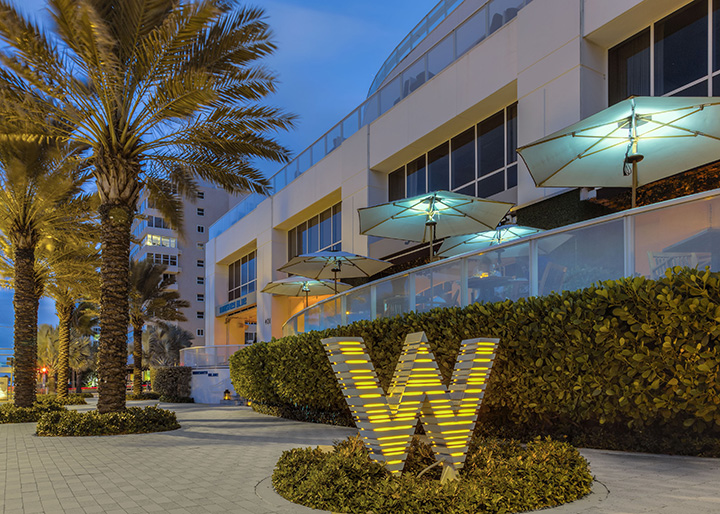
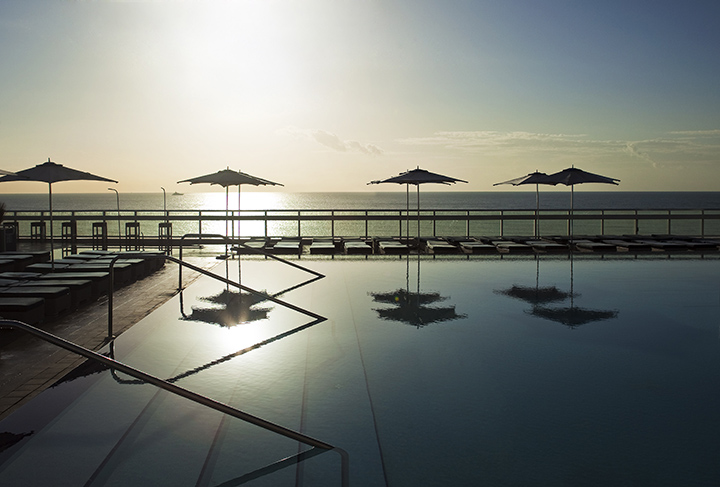
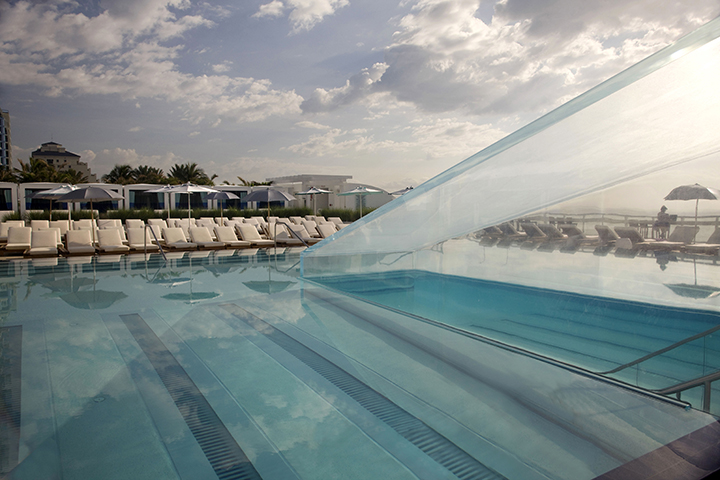

5 minutes from San Juan International Airport and
major hospitals
6.5 acre site with additional 25 acre natural reserve
129 Apartments: Studio Suites, 1 and 2 Bedroom Suites
Great revenue potential
Lucrative Tax Benefits
Development and management team in place
Seeking JV partner


Biscayne Times Article
Written By Erik Bojnansky, Senior Writer; Photos By Silvia Ros
MAY 2015
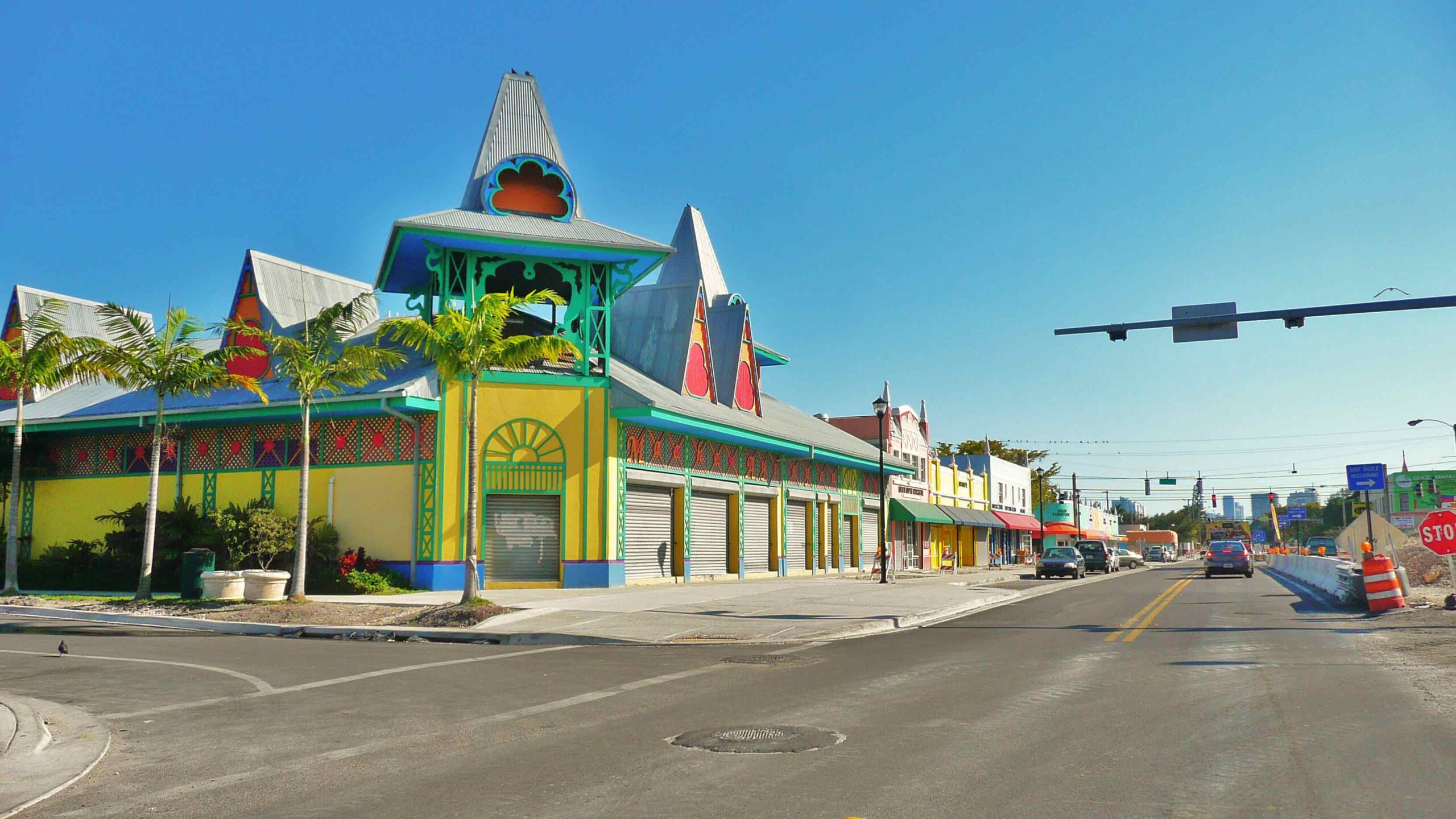
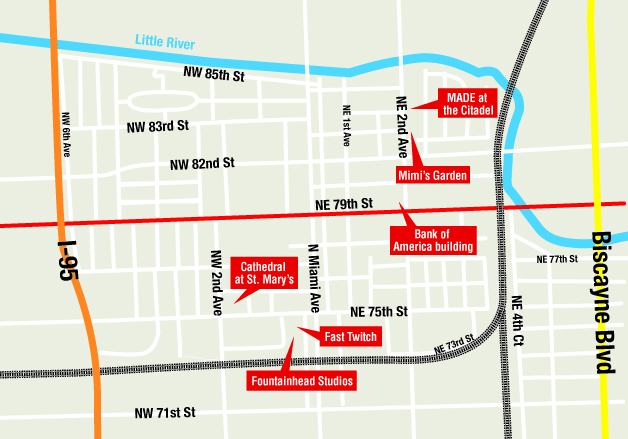
A mile west of Biscayne Boulevard and the MiMo District, Little River // Miami’s neighbors include rag shops, car mechanics, and a couple of metal recycling ventures. There are also a few cafeterias nearby and churches — the largest being the ornate Cathedral at St. Mary’s, which has existed at 7525 NW 2nd Ave., in one form another, since 1936.
For the past few years, this area has been attracting artists and specialty businesses in growing numbers.
In all Jain, Vander Werff, and their financial backers own or are contracted to buy more than eight acres of land — some contiguous, some not — roughly between NW 71st Street and NW 75th Street, and N. Miami Avenue and NW 2nd Avenue. That’s roughly 20 city blocks.
“We wanted to find a neighborhood where we could own enough land to achieve critical mass, so we quickly and quietly assembled quite a few properties,” says Vander Werff, formerly an executive with the Fifteen Group, a land acquisition firm. “We started out with seven [properties] at the very beginning, and we’re now up in the 50 range. And we’re still going.”
Jain and Vander Werff even have a name for their piece of Miami: Little River // Miami. The twin slashes symbolize the Florida East Coast railroad that transects their future neighborhood. “They’re a part of the history of Miami,” Jain declares. “It’s what connected Miami to the rest of the country.”
But this is just the beginning. Jain and Vander Werff say they intend to pack Little River // Miami with galleries, tech startups, restaurants, bars, art studios, and other unique businesses. Among their confirmed new tenants are Vanity Projects (a video gallery and designer nail salon from New York), Hot Satellite (a pizza establishment from Los Angeles), Bill Brady Gallery (a contemporary gallery founded in New York), FJ Company (a car restoration business specializing in Toyota J40 Land Cruisers), and a mysterious cocktail bar that’ll apparently announce itself at a time of its owners’ choosing.
Local artist Carlos Betancourt will be building his own 2000-square-foot studio, designed by his partner, architect Alberto Latorre, on a plot of land they purchased from Jain and Vander Werff last November for $60,000. Jain also hopes to bring Car2Go to the area, plant more trees, and push for a linear park along the railroad. Someday soon, Jain says, she hopes to add new apartments and condos to the mix. “This is about the arts, creatives, entrepreneurs, startups, food and beverage, interesting spaces,” Jain says. “We love the adaptive reuse possibilities. That’s part of what makes it interesting. It creates a sort of interesting organic vibe.”
Besides the dozens of warehouses, Jain likes the area’s wide streets and its proximity to I-95. And while it’s somewhat removed from Miami’s hot neighborhoods, Little River // Miami isn’t exactly in the middle of nowhere.
“We’re due west of the same thing that’s going on along Biscayne Boulevard,” she says. That “thing” is the revitalization of the MiMo District, which she helped inspire.
Avra Jain and Matthew Vander Werff: The railroad tracks have become an integral part of their project.
ut Little River // Miami is also part of a larger, gritty swath of Miami that’s north of 51st Street, east of I-95, west of the FEC railroad tracks, and south of the Village of El Portal. Within this sector of Miami are the historic neighborhoods of Lemon City and Little River. Since the 1980s, they’ve also been known by another name: Little Haiti. For decades, this once-forgotten part of Miami served as a kind of Ellis Island for Haitian immigrants. It was also a hub of commerce where numerous Haitian-owned businesses, churches, and other nonprofits opened up.
Now the warehouses, strip malls, and other commercially zoned properties are being snatched up by investors like Jain and Vander Werff, people in search of new frontiers in Miami’s overheated real estate market.
Peter Zalewski, a real estate analyst and founder of CondoVultures.com, says long-term investors are looking approvingly at Little Havana and Little Haiti, thanks to the overflow of development occurring in nearby boom areas. In Little Haiti’s case, he explains, developers are moving north from the anticipated success of the Design District, Midtown Miami, and Wynwood.
Within the overlapping Lemon City and Little River regions, significant real estate transactions have been taking place at a fast pace. For example, Todd Oretsky and Philippe Houdard, founders of Brickell-based Pipeline Workspaces, plan to build a five-story, 80,000-square-foot building that will serve as their company’s fourth and largest “co-working” office space for private contractors, artists, and other businesses.
Rick Dacey, Eddie Diaz, and Brian Best will be opening their (permanent) pizzeria Hot Satellite in the courtyard.
Besides shared meeting room space, refreshments, and state-of-the-art Internet for its tenants, publicized plans for the proposed project envision communal storage space and retail on the bottom floor. The building is slated to go up on a 13,905-square-foot parcel at 6900 NE 2nd Ave. that Oretsky bought for $400,000 this past December.
There’s plenty of buying activity farther south in Little Haiti, too. Among the new major players is California venture capitalist Bob Zangrillo. Since 2013, Zangrillo’s companies have invested $26 million, obtaining at least ten acres of land and several warehouses east of NE 2nd Avenue, according to records examined by the BT from the Miami-Dade Property Appraiser website. Zangrillo’s biggest buy was the $15 million purchase of 6.5 acres of land at 6001 NE 2nd Ave., which includes Magic City Trailer Park and the deteriorating 113-year-old Dupuis Medical Office and Drugstore building.
Tony Cho, president of Metro 1 Properties and Zangrillo’s partner, says they plan to upgrade and lease out the warehouses they now control. As for the former trailer park, “our goal is to re-landscape it, improve it, and make it an amenity for the neighborhood where cultural special events can be held,” Cho says. “That’s for the short-term. We don’t know anything beyond that. We don’t have concrete plans for the assembled lands.”
Up north in Little River, between 83rd and 84th streets on NE 2nd Avenue, Urban Atlantic Group bought four properties in April 2014 for $5.2 million. In a joint venture with Conway Commercial Real Estate, UAG invested another $1 million transforming the old J.J. Dessalines C. Center at 8325 NE 2nd Ave. into its own co-working venture called MADE at the Citadel — the MADE standing for Makers Artists Designers Entrepreneurs.
Across the street from MADE stands an empty, 64-year-old, 65,000-square-foot building that Conway says he intends to renovate and reopen as a traditional office building with retail on the ground floor.
While Vander Werff is focused on developing creating Little River // Miami as a cohesive community, Jain has been buying properties with other investors elsewhere in Little River. One such investment is hard to miss. On March 31, through a California holding company, Jain bought the former seven-story Bank of America building at the corner of NE 2nd Avenue and 79th Street (7924 NE 2nd Ave.) for $6.2 million from Pedro Rodriguez, owner of the Presidente Supermarket chain, who previously tried to transform the 178,810-square-foot building into an affordable-housing project.
Jan Mapou: “They’re buying almost everything they can put their hands on in Little Haiti. They’re offering a lot of money for the old buildings.”
“The prices are going up in Wynwood. A lot of people are moving out,” says Moody, who co-produced the “Little Haiti Country Club” exhibit last August at a nearby retail building co-owned by Jain at 8267 NE 2nd Ave. “Now we’re working to carefully gentrify this neighborhood, to keep people here rather than doing the same thing.”
In Wynwood’s case, artists and galleries played a huge role in reviving an area once wracked with crime and poverty following the departure of much of its manufacturing base in the late 1980s and early 1990s.Twelve years ago, only galleries were interested in renting in Wynwood, says David Lombardi, principal of Lombardi Properties, which owns several Wynwood buildings. Today the neighborhood is visited by an estimated 150,000 people each month and is flooded with restaurants, stores, bars, and offices, while various developers are hatching plans for new retail and residential projects.
“Wynwood,” Lombardi says, “is going through an incredible transition.”
That transition has jacked up rents. In 2011, rents in Wynwood ranged between $15 and $20 a square foot, Lombardi notes. Now they’re anywhere from $20 to $60 a square foot.
Lombardi, who insists he’s still enthusiastic about Wynwood’s future, also owns property in Little River, just north of MADE at the Citadel. There he’s asking for rents at about $12 a square foot. “It’s in its infancy,” Lombardi says of this northern neighborhood. “It’s like the early Wynwood days. It’s got a good energy up there.”
A small number of artists have been operating in warehouses in Little Haiti and Little River for more than a decade, but their numbers are growing fast. Yuval Ofir represents local artists and runs the Yo Miami arts studio out of a converted warehouse his family has owned for decades at 294 NE 62nd St. His family also owns a perfume distribution business in Wynwood’s fashion district.
According to Ofir, many galleries and artists once based in Wynwood are migrating northward because their landlords increased their rents. “Artists were forced out [of Wynwood] a long time ago,” he says. “The biggest migration happened two or three years ago.”
But how much longer can artists or small-business owners afford to rent in Miami’s northern reaches? Ofir of Yo Miami notes that developers are renovating warehouses all over the area, and they’re already asking for higher rents, an observation confirmed by Tony Ulloa, a broker with Keyes Commercial Realty. “Prices have gone up significantly over the past year,” he says. “There’s a demand for space from artists being misplaced from Wynwood and the Design District.”
But the current demand isn’t just from artists, Ulloa adds. Thanks to the PortMiami expansion, which is projected to increase freight traffic, buyers are scrambling to acquire warehouse space near the railroad tracks, which run east-west near 73rd Street.
The Little River area, Ulloa explains, has “the highest concentration of warehouses serving the rail system, north of Wynwood.”
Aside from several subsidized housing projects in Little Haiti, much of the housing available in the area — while far from being in pristine shape — is inexpensive compared to most places east of I-95. This could change in a few years.
Real estate analyst Peter Zalewski predicts that when the next development cycle commences, buyers will look at Little Haiti’s residential areas. “The appeal is cheap nearby real estate relative to what properties are trading for in the more established markets,” Zalewski says. “At this point, Little Havana has the advantage because of the looming up-zoning process. That being said, Little Haiti enjoys the advantage of catching the attention of the big-money developers who are attracted by the area’s lack of modern housing.”

Coral Gable, March 2016 – The project is well under construction. Expected delivery is set for Fall 2017. Biltmore Park is located walking distance to the Biltmore Hotel and the areas top restaurants and retail. It is a AAA location.
The price point at approximately $600 p/SF is below many of its beach competitors and Brickell/Downtown competitors. Beautiful residences still available.
Here are some of the highlights or click on link for brochure.
Call 305.363.8833 for immediate unit availability and pricing information or contact.
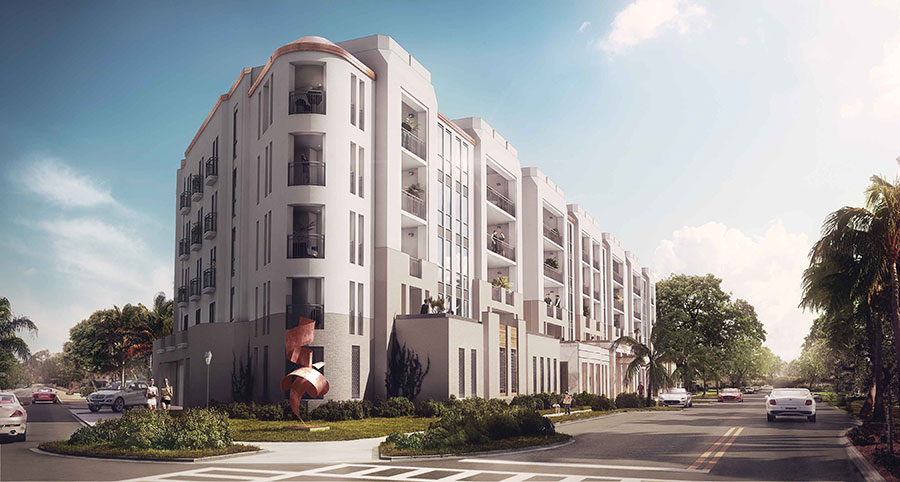
Luxury Boutique Building
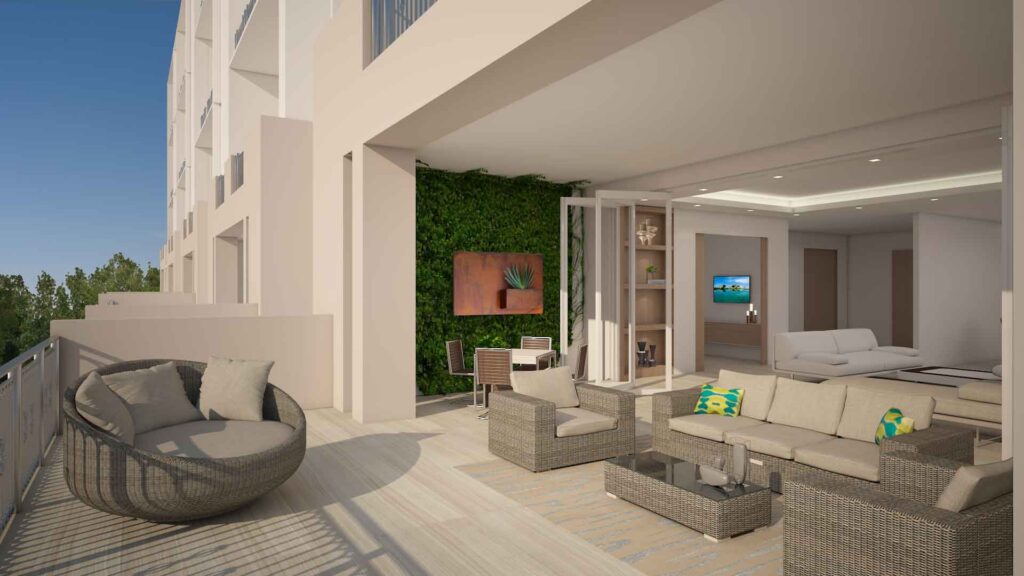
Expansive Balconies with Nano Folding Doors (Luxury Yacht Style)
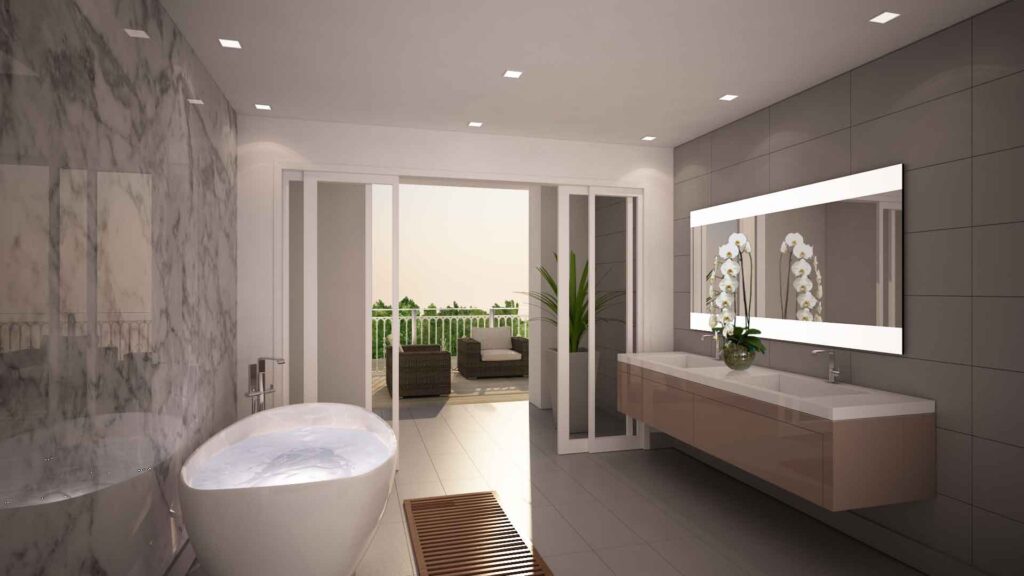
Beautiful Decorator Finishings
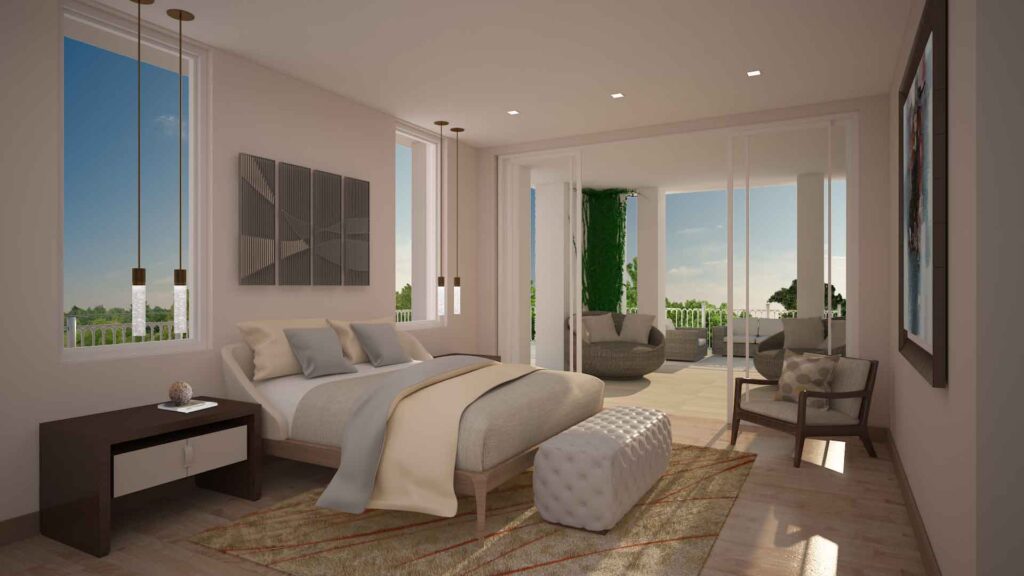
Ample Room Dimensions with 12′ Ceiling Heights.

Conway + Partners brings an innovative approach to every project. I am impressed by their level of market knowledge, professionalism, and creative genius.
Conway+Partners is a full-service, integrated branding and marketing agency, headquartered in NYC, that specializes in the real estate and hospitality industries.
Santiago Conway says it best:
Working with a diverse roster of global clientele, we are driven by creativity and innovation to garner real world results. Our signature approach and dedication to sharing our expertise means we act as more than an external creative partner – we become a member of the team. Our efficiency, cooperation and all hands on deck approach ensures a successful final result, whether a classic luxury property or innovative new hospitality concept.
Below is a sample of some of the amazing work.

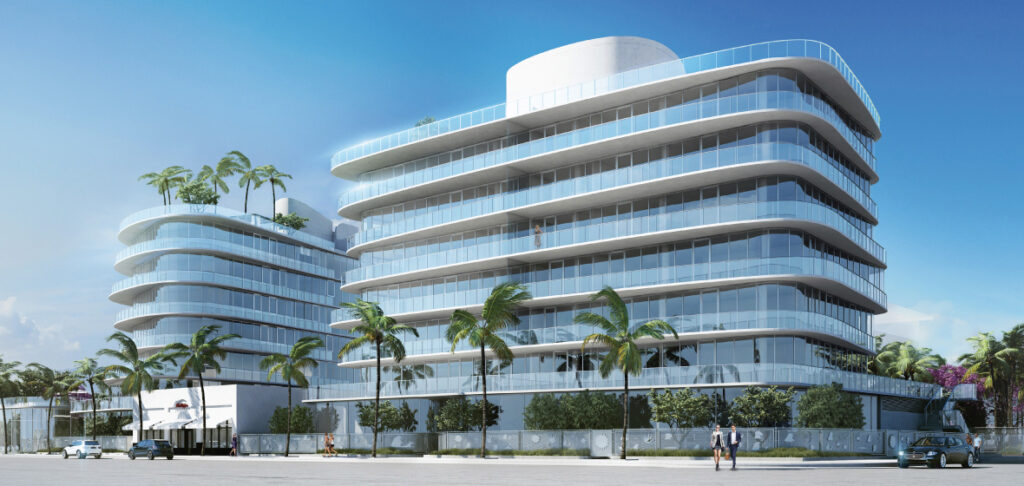

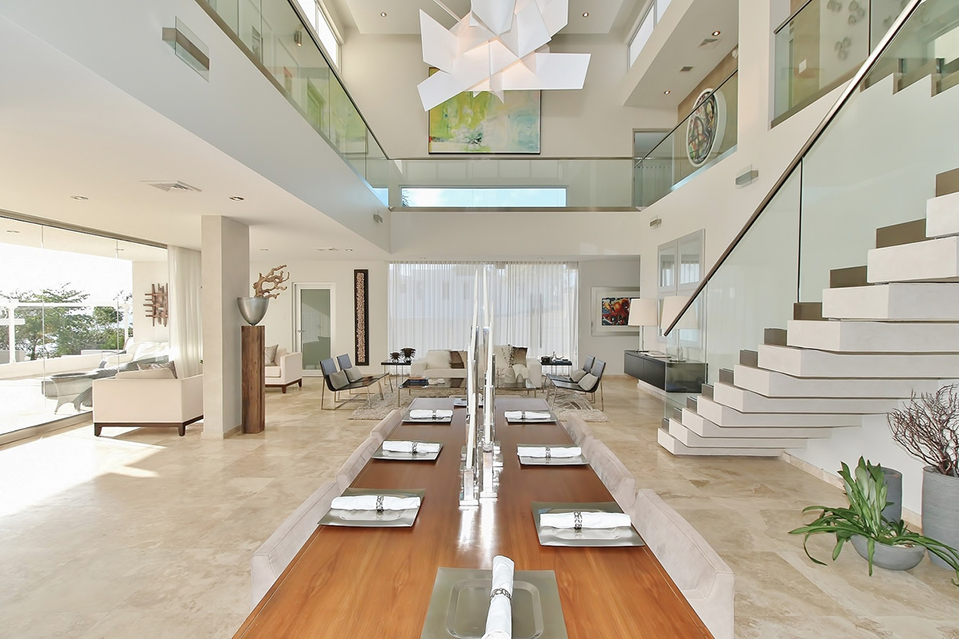
BY ANDREA LÓPEZ CRUZADO AT MANSION GLOBAL
With more storms forecast for Puerto Rico’s tumultuous economy, one spot on the island is still sunny. Dorado has seen a 15% increase in the median asking price of its properties from 2013 through February 2016.
In fact, this luxury destination on the northern coast of the U.S. commonwealth is the only city in Puerto Rico (of the island’s 13 largest) where asking prices have increased in the last three years, according to an analysis by Point2 Homes, a real estate search portal.
Point2 Homes analyzed price activity in cities with a population of over 13,000, including San Juan, Carolina, Ponce and Fajardo. In all but Dorado, prices went down from 2013 through 2016. Ponce suffered the biggest dip, at 35%; Guaynabo, another northern location popular with high-end buyers, saw the smallest drop, at 3%.
Puerto Rico is grappling with a 10-year recession and $70 billion in debt that is crippling growth. According to the Pew Hispanic Center, more Puerto Ricans are moving to the U.S. mainland than in any period since the Great Migration after World War II.
Still, the luxury real estate market continues to flourish.
Last year, Christie’s International Real Estate identified Puerto Rico as one of seven key real estate markets for “investment, exclusivity and getaways.” Sales of $1 million-plus properties— which represent 10% of the market—grew by 105% from 2013 to 2014, according to their 2015 “Luxury Defined” report.
The company attributes Puerto Rico’s flourishing prime property market to its status as a tax haven. Four years ago, significant property and corporate income tax exemptions were enacted to attract new residents.
“Residence in Puerto Rico means a shield from most federal income taxes, and prominent investors have been catching on rapidly since the law was passed in 2012,” the report noted.
For Leticia Brunet González of Trillion Realty Group, a San Juan-based Christie’s affiliate, Dorado owes its fortunes to the lifestyle it offers: beach, golf and tennis facilities, restaurants and spas, as well as security.“Those buying there are buying a lifestyle,” she said.
An early believer in Dorado was U.S. businessman and conservationist Laurance Rockefeller, who in the late 1950s built a hotel here that quickly became popular with A-listers including Joe DiMaggio, Ava Gardner, Gerald Ford and John F. Kennedy. Today, a Ritz-Carlton Reserve sits on the former Rockefeller estate. The hotel includes three 18-hole golf courses and the historic Rockefeller Nature Trail, an open-air sanctuary.
According to Brunet González, Dorado attracts a mix of families and business people. Foreign buyers come mostly from the U.S. and include several tech entrepreneurs said to be taking advantage of the affordable luxury prices (and tax incentives). While asking prices in Dorado went up in the last three years, they are still 13% lower than in 2010, according to Point2 Homes’ data. Luxury properties are available for as little as $2 million.

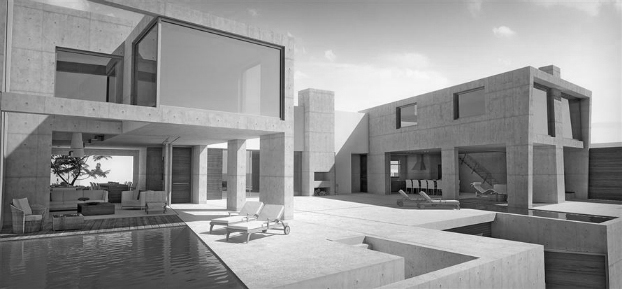
New York times, March 16, 2016.
By ROXANA POPESCU
MARKET OVERVIEW
Real estate agents in Puerto Rico said the island’s economic crisis has led people to move away, creating bargains for buyers willing to make compromises on location. For prime properties near the water, however, where demand is enhanced by tax incentives created for wealthy foreign buyers, prices are stable or even rising.
The fact that many professionals are leaving the island looking for better jobs in the U.S. and some of the local wealthiest people have been impacted negatively by losses in local investments in bonds creates some interesting opportunities to purchase luxury properties.
Prices across the island have fallen by as much as 50 percent for the nonluxury market, as well as for high-end properties that are not on the beach.
“In actuality, it is the best time to buy here”, quotes a local broker.
Beachfront luxury homes have been spared from the fall, agents said. The supply of top-quality properties is limited, but demand is strong because of the tax incentives initiated in 2012. A law named Act 22, designed to entice investors and high-net-worth individuals to move to Puerto Rico, with incentives including tax exemptions, has resulted in almost 600 people moving to the island since 2012, said José Joaquín Villamil, an economist and chairman and chief executive of Estudios Técnicos, an economic consulting firm in San Juan, citing government figures.
“The real estate market is in shock,” Mr. Villamil said. “Obviously, one would expect it. What’s kept the high end of the market going is the Law 22.”
Prices of luxury homes near the water have remained stable, or in some cases increased, since 2012. Prices per square foot range from $400 to $600, and with few exceptions, properties tend to close at about 15 percent below asking, she said.
WHO BUYS IN PUERTO RICO
Most luxury home buyers come from the United States mainland, agents said.
BUYING BASICS
United States citizens can buy property without restriction in Puerto Rico, which is a United States commonwealth. Transactions are handled by notaries, who are also licensed lawyers in Puerto Rico. That notary is typically chosen by the buyer, and the seller pays a notarial tariff.
Puerto Rico’s closing fees, including a stamp duty and the notarial tariff, are on a sliding scale. As an example, for a $1 million home costs would total around $10,600. Of that, the buyer would pay around $6,000.